







Antique Wood and Shell Mirror
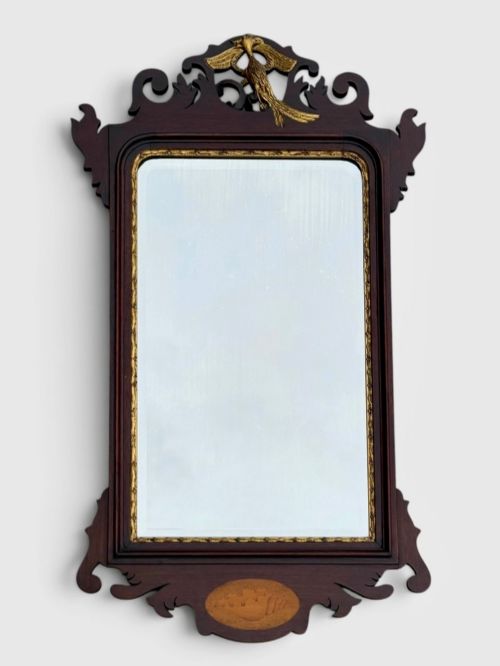
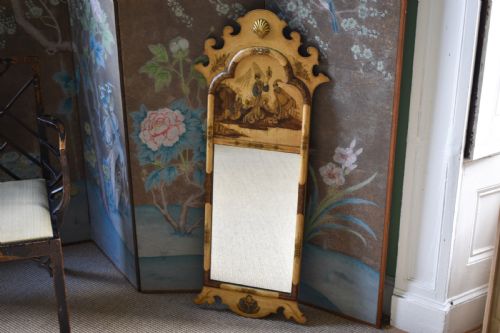
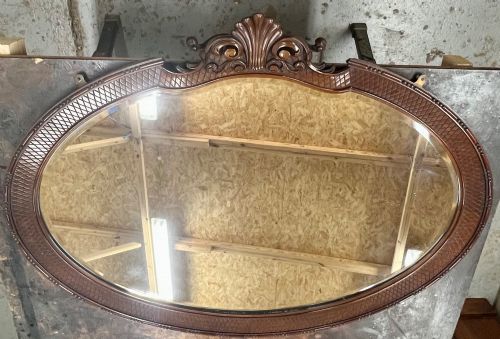
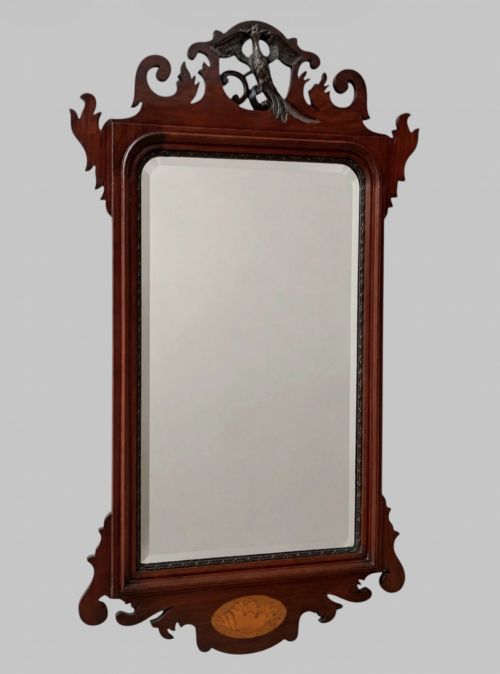
These antique wood and shell mirror examples bring texture and reflective depth into a room, combining natural marine materials with carved timber frames.
Antique Wood and Shell Mirror
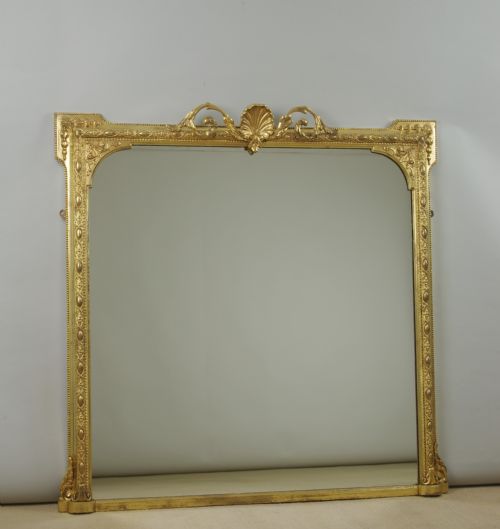
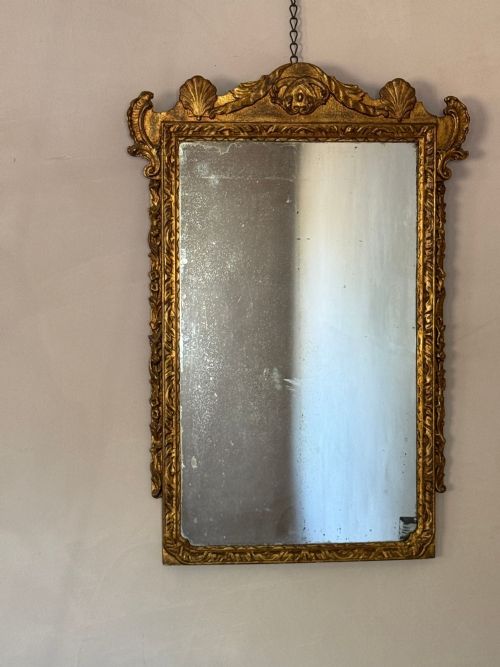
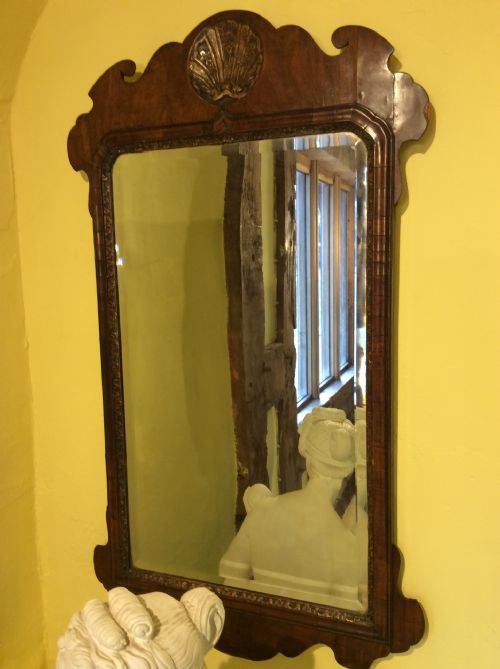
An antique wood and shell mirror combines timber framing with organic inlay or motifs, spanning periods from the eighteenth century through to the early twentieth century. When searching for an antique wood and shell mirror, buyers encounter wall mirrors and overmantel pieces incorporating carved woodwork alongside shell details or nacre-shell inlay.
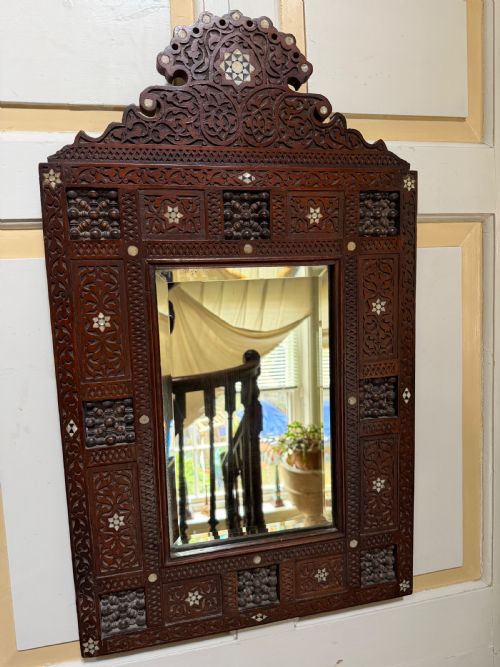
The selection on this page demonstrates various historical revivals and regional interpretations, including Levantine frames with mashrabiya turned panels alongside European walnut and mahogany designs. These pieces function primarily as wall mirrors or overmantel mirrors, utilising timber frames shaped by period tastes ranging from Queen Anne to Victorian styles.
What varies in quality
The standard of craftsmanship depends upon the precision of the timber carving, the complexity of the fretwork, and the execution of the decorative joinery. Hand-turned wooden panels and finely detailed shell inlay indicate a higher level of artisanal skill compared to simpler moulded decoration.
The integrity of the original frame materials, the depth of the gilding or paint finishes, and the preservation of the antique glass plate determine the overall character and standing of each individual piece.
Antique Wood and Shell Mirror Retail Price Guide 2026
Typical asking prices for wood and shell mirror among the pieces listed under this phrase on Sellingantiques today, from the lower quarter to the upper quarter. They describe what is for sale here now, not the wider market.
Some frames incorporate intricate turned wooden lattice panels alongside marine shell inlay, bringing a coastal touch to heavy Victorian timber.
The Antique Wood and Shell Mirror Glossary
- Nacre-shell inlay
- Pearl-bearing shell material embedded into wooden frames to create decorative patterns and shimmering surface contrasts.
- Giltwood
- Timber carved and coated with a thin layer of gold leaf or metallic paint to produce a bright decorative surface.
- Fretwork
- Ornamental perforated woodwork created by piercing timber with a saw, frequently seen on eighteenth-century and revival wall mirrors.
- Overmantel mirror
- A large horizontal mirror designed specifically to be hung on the wall directly above a fireplace mantel.
- Mashrabiya
- An architectural element featuring turned wooden panels arranged in intricate lattice patterns, found on Levantine frames.
Antique Wood and Shell Mirror: Frequently Asked Questions
Where should I hang an antique wood and shell mirror?
These mirrors suit principal reception rooms, hallways, or above mantelpieces where wall space allows the frame and inlay to catch the light.
Ensure the wall construction supports the weight of hardwood frames and glass before mounting.
How do I clean the shell inlay?
Dust the surface gently with a dry, soft microfibre cloth to remove particles without disturbing the delicate shell or timber joints.
Avoid commercial liquid cleaners or harsh chemicals that might damage the nacre or historical finishes.
Are these mirrors fragile?
The combination of historical timber, intricate fretwork, and inlaid shell requires careful handling during placement and relocation.
Professional hanging ensures the weight distributes evenly across the wall brackets.
What periods do these mirrors come from?
The pieces span the eighteenth century, the Victorian era, and early twentieth-century revivals of earlier design traditions.
Craftsmanship reflects the stylistic preferences of Georgian, Queen Anne, and later nineteenth-century aesthetics.