




Antique Wire Nursery Fender
An antique wire nursery fender protects rooms from stray sparks while keeping traditional hearths safely enclosed behind fine mesh and polished metal frames.
Antique Wire Nursery Fender
Buyers seeking an antique wire nursery fender encounter protective fire guards designed to surround hearths during the 19th Century, Victorian, Regency, and Edwardian periods. These pieces serve primarily as fire guards and fireplace accessories that prevent embers from reaching interiors.
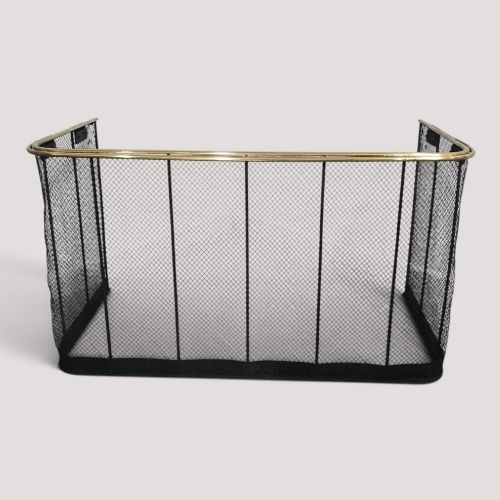
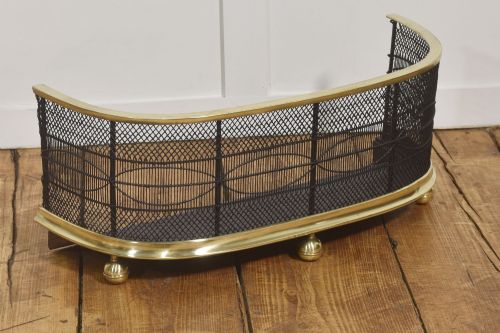
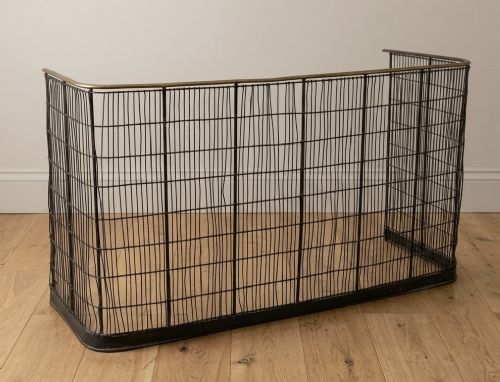
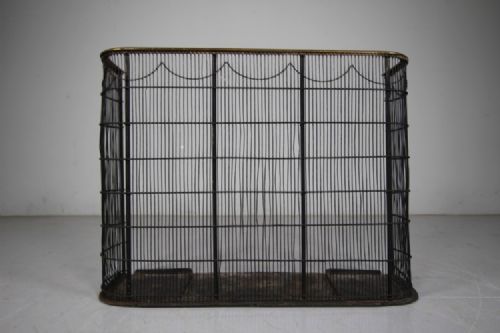
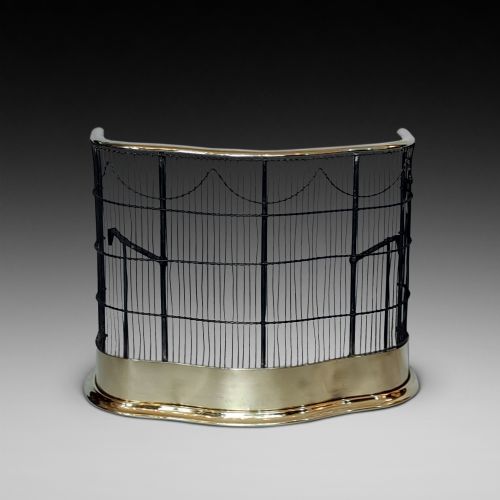
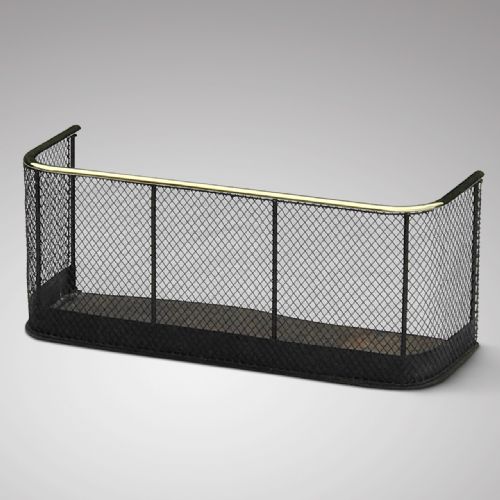
The most common versions on this page are Victorian and 19th Century pieces featuring structured wire mesh panels and polished brass top rails or frames. Examples range from simple rectangular wire mesh fire guards to bowed and serpentine shapes.
Formations include configurations with integrated clothes rails or substantial brass framing. Each object acts as a functional barrier while maintaining open visibility of the fire.
Materials and construction methods
Construction relies on durable metal frameworks combining brass, wrought iron, and steel to support woven iron wire and wire mesh panels. Frames utilise brass for rims and top rails while iron wire forms the protective barrier.
Makers shaped steel wire and woven iron wire into fine mesh screens secured within sturdy metal surrounds. Brass elements provide structural reinforcement and decorative contrast along the upper edges.
Listings feature pieces spanning the 19th Century, Regency, Victorian, and Edwardian periods, constructed from brass, iron, and steel wire.
Judging construction and finish
Quality depends upon the rigidity of the wire mesh and the heaviness of the brass framing. Superior examples display tight, uniform wirework securely fitted into substantial metal borders without loose strands.
The refinement of the top rail and the precision of bowed or serpentine shapes distinguish standard utilitarian guards from more carefully proportioned pieces.
The Antique Wire Nursery Fender Glossary
- Nursery fender
- A high protective fire guard designed to enclose a hearth completely and prevent children or pets from reaching the fire. These screens typically stand taller than standard hearth fenders.
- Wire mesh
- A woven barrier of fine metal strands that allows heat to radiate into the room while blocking sparks. This material forms the main body of the guard.
- Serpentine
- A gentle undulating curved shape often seen along the front edge of Victorian fire guards. This contour provides a softer aesthetic than straight rectangular frames.
- Top rail
- The upper horizontal border of the guard, frequently formed from polished brass. It offers a convenient grip and finishes the metal frame.
Antique Wire Nursery Fender: Frequently Asked Questions
What is an antique wire nursery fender?
An antique wire nursery fender is a tall protective screen placed around an open fireplace during the 19th Century and Victorian eras. It keeps sparks contained while allowing heat to enter the room.
These pieces combine woven wire mesh with metal frames made from brass and iron. They protect interiors safely while retaining period character.
How do I date an antique wire nursery fender?
Dating relies on stylistic clues such as Regency curves, Victorian brass rims, or Edwardian proportions. Construction methods also help indicate the period of origin.
Examining the type of wire mesh and the composition of the brass top rail assists in identifying whether a piece originates from the 19th Century or later.
How were nursery fenders used historically?
These guards were positioned around open hearths in family homes to prevent children and garments from coming into direct contact with flames. Some versions included integrated rails for drying items.
By enclosing the fireplace entirely, they offered a practical safety barrier during periods when open fires served as the primary source of household heat.
Can I use an antique wire nursery fender with a modern fire?
Yes, these guards function effectively around modern fireplaces provided the dimensions match the hearth space. They offer traditional spark protection.
Careful measurement ensures the bowed or rectangular frame fits securely around the hearth area while accommodating contemporary living arrangements.