






Antique Wire Cage
These antique wire cage pieces bring utilitarian charm and rustic texture into modern interiors.
Antique Wire Cage
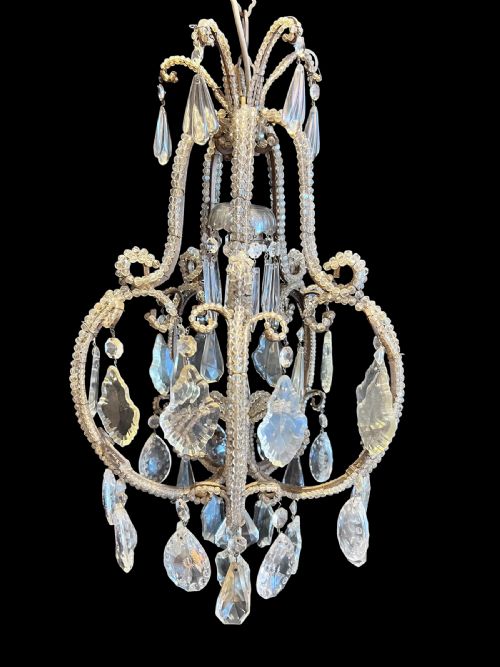
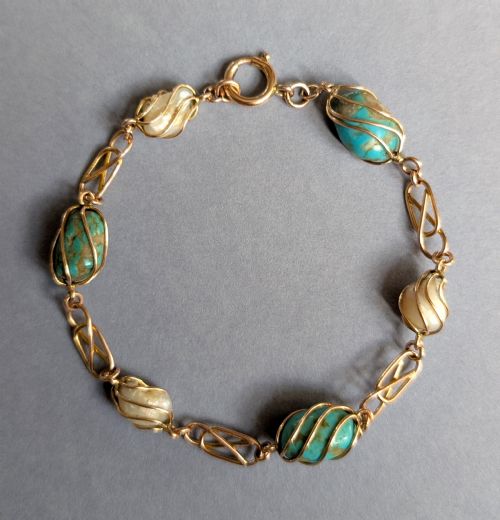
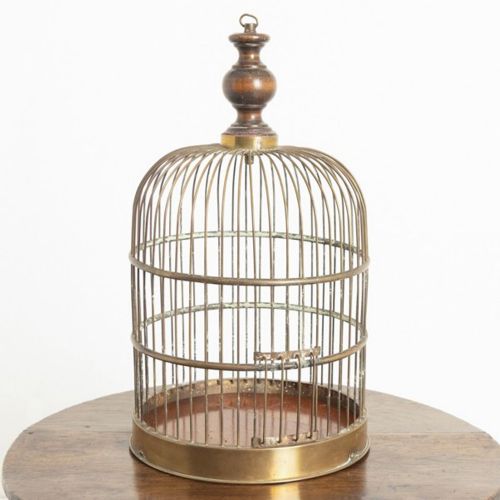
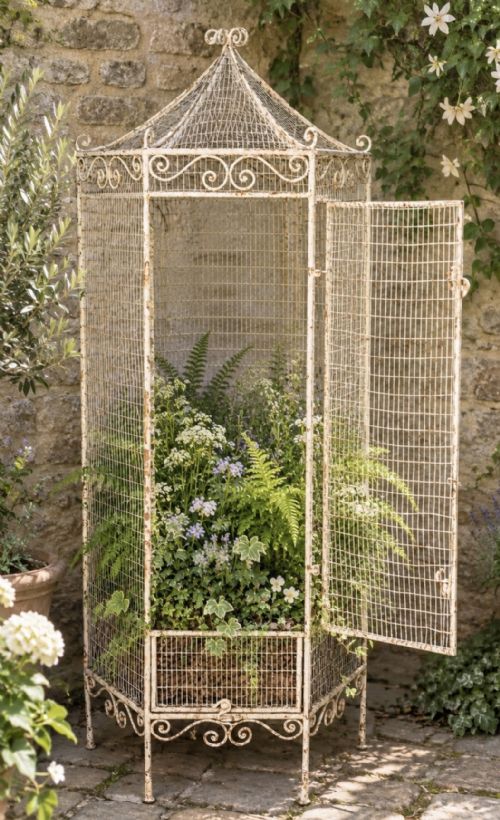
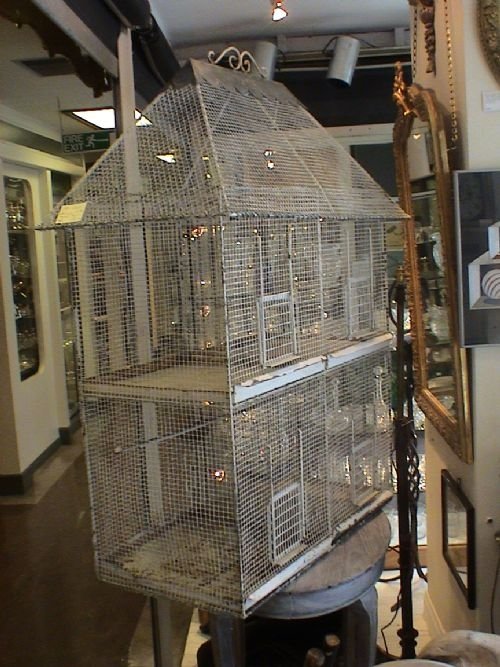
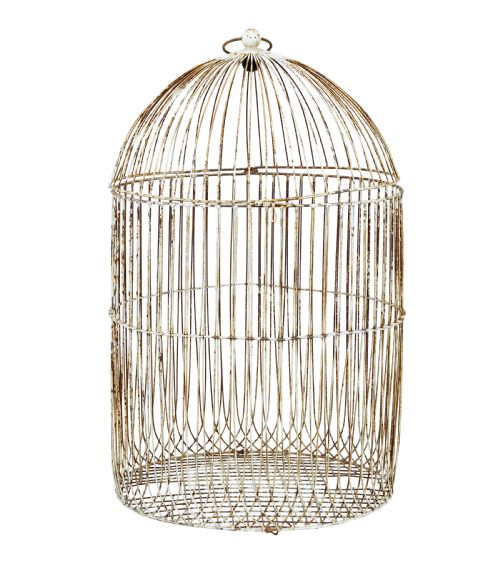
When you search for antique wire cage, you encounter domestic items built from metal frameworks designed to contain birds or house decorative objects. These domestic containers range from simple country house bird cages to large zinc structures originating from nineteenth century chateaus. The selection on this page captures utilitarian forms alongside ornate hanging light fittings and glass caged pendants.
The objects present diverse regional styles, including French provincial designs and industrial wire frames. Buyers typically encounter practical household accessories alongside elaborate decorative pieces shaped by nineteenth century and Edwardian manufacturing traditions. Each item demonstrates how everyday wirework adapted to both decorative and functional domestic roles.
How they were made
Maker construction relies on iron, wrought iron, and wire mesh combined to form rigid skeletal enclosures. Artisans shaped metal rods and fine mesh by hand, soldering or twisting joints to create durable birdcages and structural frames.
Surface finishes involve applied paint, enamel, and natural weathering that record decades of use. Many pieces integrate glass or crystal components alongside metal work, particularly in lighting variants from the early twentieth century.
Antique Wire Cage Retail Price Guide 2026
Typical asking prices for wire cage among the pieces listed under this phrase on Sellingantiques today, from the lower quarter to the upper quarter. They describe what is for sale here now, not the wider market.
The listings on this site span the nineteenth century, Edwardian era, and the nineteen twenties, utilising iron, wire mesh, and glass.
What varies in quality
The standard of an antique wire cage depends upon the integrity of the metal framework and the subtlety of its wirework. Pieces featuring complex structural joins and well-preserved original paint surfaces stand apart from simpler utilitarian boxes.
Proportion and scale dictate the visual weight of each piece within a room. Items retaining intact glass elements or original hardware demonstrate superior craftsmanship compared to heavily altered examples.
The Antique Wire Cage Glossary
- Wire Mesh
- A barrier formed by interwoven or welded metal strands. This material provides the transparent enclosing walls characteristic of traditional birdcages.
- Wrought Iron
- Iron shaped through heating and hammering by a blacksmith. This malleable metal forms sturdy structural frames and decorative scrollwork.
- Enamel
- A glassy substance fused to metal through high-temperature firing. This protective coating delivers a smooth, glossy surface finish to industrial light fittings.
- Chateau
- A large French country house or estate. Items originating from these settings often display robust proportions and utilitarian elegance.
Antique Wire Cage: Frequently Asked Questions
How were antique wire cages used?
These wire structures served primarily as domestic enclosures for pet birds or as decorative focal points within country houses and chateaus.
Over time, many of these enclosures transitioned from functional animal housing into purely decorative interior objects.
How do I style a wire cage at home?
Place a large wire cage on a wooden console table or suspend it from a ceiling bracket to add architectural texture to a room.
They also function well as display containers for trailing plants, ceramic items, or collections of vintage objects.
How do I identify nineteenth century wirework?
Examine the joints and metal composition for hand-forged iron elements, heavier wire gauges, and signs of genuine oxidation.
Nineteenth century pieces typically display hand-twisted wire construction rather than modern machine-welded uniformity.
Are all wire cages meant for birds?
While many examples were constructed as birdcages, others served as structural frames for lighting or purely decorative architectural objects.
Makers adapted the basic wire cage form to create glass pendant lights and decorative room ornaments.