

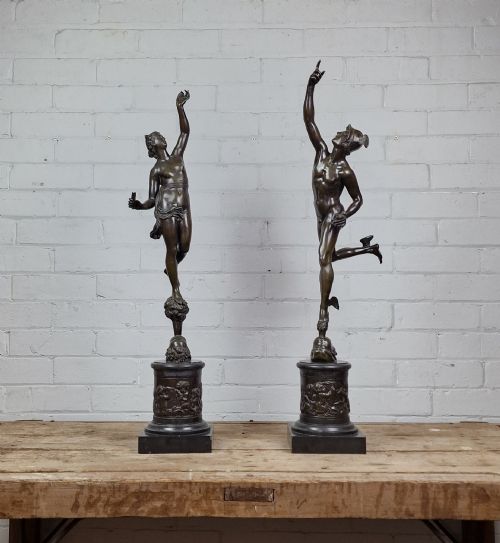
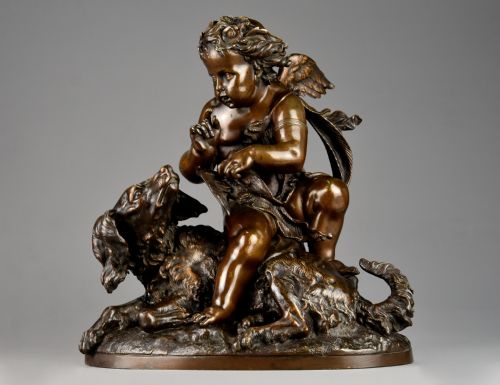


Antique Winged Figure
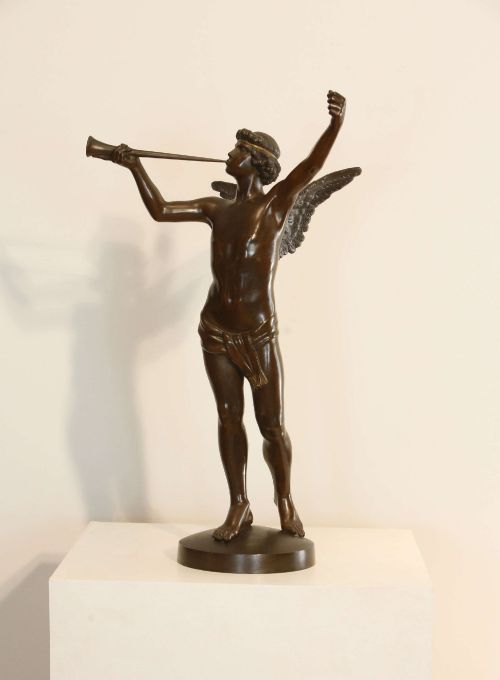
An antique winged figure brings classical mythology and winged allegory into domestic spaces through bronze, terracotta, and carved wood.
Antique Winged Figure
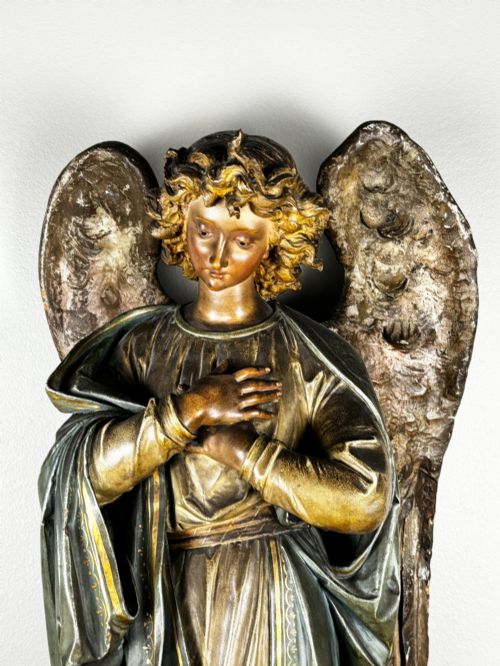
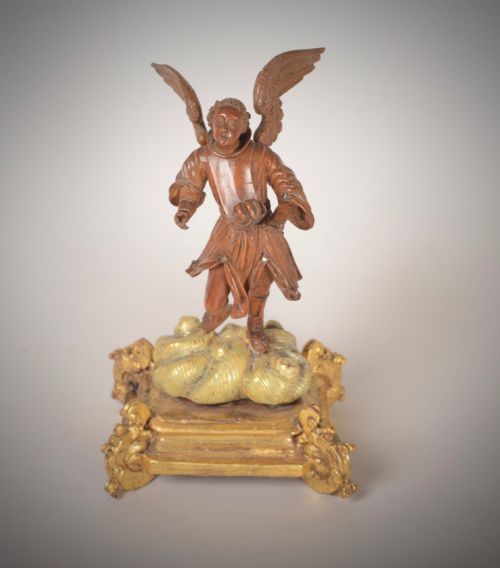
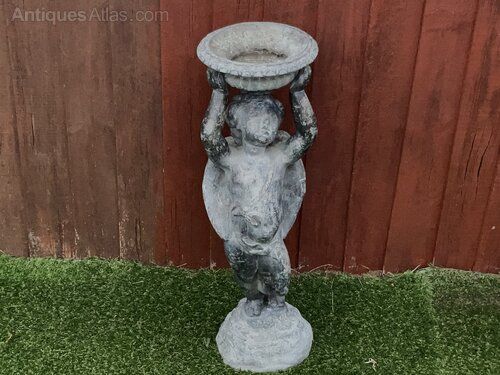
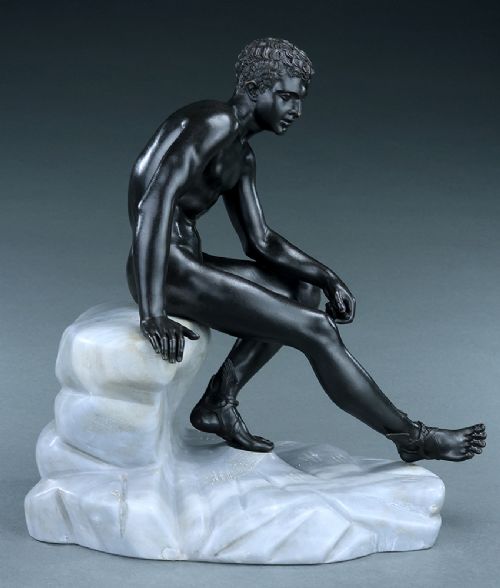
When you search for an antique winged figure, you encounter sculptural works depicting mythological deities, allegorical putti, and celestial beings. These pieces draw heavily from classical antiquity, the Grand Tour tradition, and 19th-century French and Italian decorative arts.
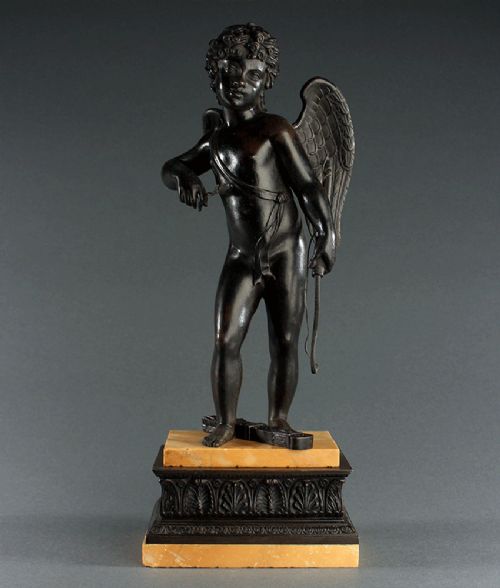
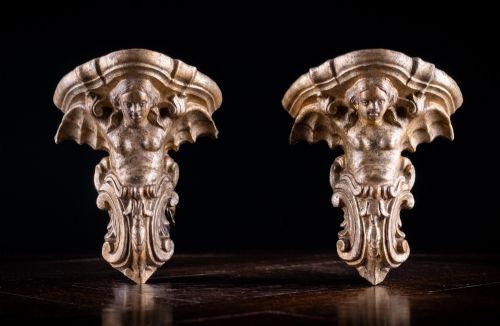
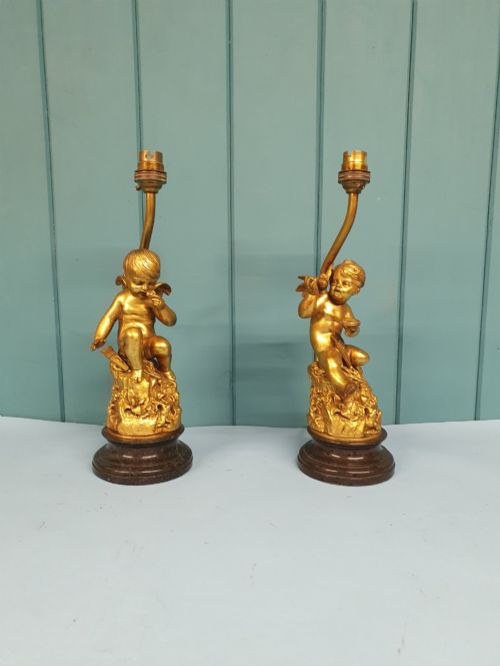
The selections span freestanding bronze sculptures, porcelain figures, and functional items such as candelabra and wall brackets. Figures of Cupid, Mercury, and winged lions appear frequently alongside cherubs and architectural angels.
Origins stretch from 18th-century porcelain factories to late 19th-century European foundries. Buyers select these works to anchor traditional interiors or to introduce classical narrative motifs.
Materials and casting methods
Foundries utilised traditional lost-wax or sand-casting methods to produce detailed bronze and ormolu sculptures, often finishing the metal with patination or fire-gilding. Marble and wood plinths provide stable mounting for heavier figures.
Ceramic pieces rely on hard-paste porcelain or terracotta, shaped in moulds and hand-painted or glazed before kiln firing. Woodcarvers worked in pine, oak, and walnut to create deep relief architectural panels and freestanding figures.
Antique Winged Figure Retail Price Guide 2026
Typical asking prices for winged figure among the pieces listed under this phrase on Sellingantiques today, from the lower quarter to the upper quarter. They describe what is for sale here now, not the wider market.
Materials span patinated bronze, gilt bronze, serpentine marble, terracotta, porcelain, and carved walnut.
Assessing craftsmanship and finish
Proportion and anatomical balance distinguish master castings from standard workshop output. Signed bases and foundry stamps indicate formal production standards.
Pierre Philippe Thomire·Antoine Louis Barye·Louis Auguste Moreau·Charles Cumberworth·Luigi Frullini·Johann Joachim Kändler
The Antique Winged Figure Glossary
- Putto
- A plump, winged male child figure frequently seen in Renaissance and later decorative art. These figures often represent mythological cupids or cherubs.
- Ormolu
- Gilt bronze produced by applying a mercury and gold amalgam to a bronze base and heating it. This technique creates a durable golden finish common on French Empire pieces.
- Patination
- The surface coloration developed on bronze or other metals through age or chemical treatment. Collectors value stable patinas that show natural oxidation.
- Grand Tour
- A traditional 18th and 19th-century travel itinerary through Europe undertaken by upper-class scholars and collectors. Travellers acquired small bronzes and marbles as souvenirs.
- Lost-wax casting
- A metal casting process where a wax model is melted out of a mould to create a cavity for molten bronze. This method allows for intricate anatomical detail.
Antique Winged Figure: Frequently Asked Questions
How do I identify a Grand Tour bronze?
Grand Tour bronzes typically depict classical statues, architectural ruins, or mythological subjects encountered by travellers in Italy during the 19th century. They are usually cast in solid bronze and mounted on marble bases.
Examine the patination and the base construction to determine age. Many feature dark patinas designed to mimic excavated antiquities.
Where should I place a bronze candelabrum?
Candelabra with winged figures function well as centrepieces on dining tables, sideboards, or mantelpieces. Ensure the surface is stable and capable of supporting the combined weight of bronze and marble.
Keep them away from direct heat sources and strong moisture to protect the metal finish and any attached stone elements.
What is the difference between a putto and a cherub?
Art history generally uses putto to describe a non-religious winged infant derived from classical mythology, often associated with love or mischief. Cherubs carry theological connotations linked to celestial hierarchies.
In marketplace listings, the terms frequently interchange, though visual context usually points toward classical or ecclesiastical origins.
How do I care for patinated bronze?
Dust bronze sculptures regularly with a soft, dry microfibre cloth to prevent particulate buildup. Avoid using commercial metal polishes, which can strip away historic patination.
Apply a microcrystalline wax sparingly if the metal requires protection against humidity, buffing the surface gently afterwards.