




Antique Wine Rack
When you search for an antique wine rack, you encounter everything from sturdy French cellar cages to fine mahogany bottle holders.
Antique Wine Rack
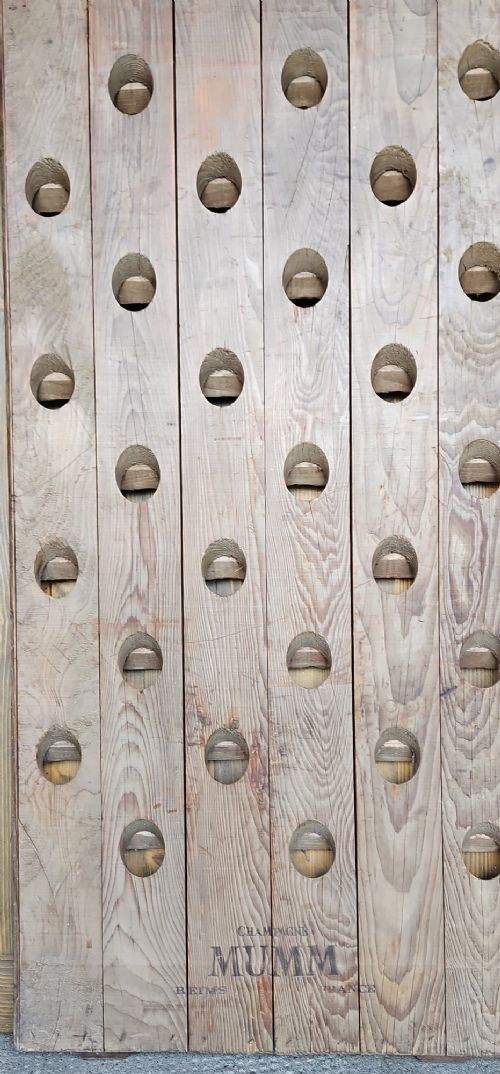
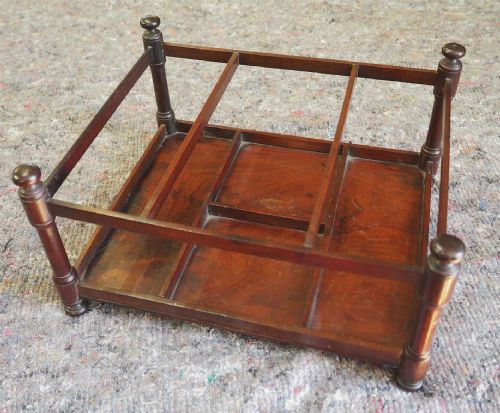
An antique wine rack serves the practical purpose of storing bottles securely while resting in domestic or cellar settings. Buyers searching for an antique wine rack will find diverse forms ranging from large industrial cages and riddling racks to small tabletop bottle holders.
The pieces on this page span several eras, with French iron cages and English wooden furniture appearing frequently alongside Victorian and Edwardian examples. Makers such as Farrow and Jackson and Gillows produced utilitarian and domestic storage solutions that survive today in oak, pine, and wrought iron.
Materials and construction
Construction relies heavily on durable metals like wrought iron, steel, and brass for the structural cages and bottle holders that needed to withstand heavy loads in cellars. Woodwork utilises mahogany, oak, pine, and chestnut, often formed into sideboards, cabinets, or dedicated bottle storage units.
Specialised items incorporate bronze, bone, and silver plate, particularly in smaller accessories like decanter stands and corkscrews. Metal components are joined with rivets and ironwork framing, while wooden pieces show traditional cabinetry techniques.
Some French cages held up to three hundred and eighty bottles of champagne.
What separates the best pieces
Quality in these pieces rests upon the integrity of the metalwork or timber and the scale of the object. Substantial French iron cages with operational locking mechanisms represent a different tier of craftsmanship compared to domestic wooden holders.
Makers known for branded or patented designs, such as Farrow and Jackson ironwork or Gillows mahogany furniture, display superior weight and proportion. The presence of original painted finishes or maker marks elevates the standing of an individual piece.
The Antique Wine Rack Glossary
- Riddling rack
- A wooden board used in champagne production to hold bottles at an angle during the clarification process. These are frequently adapted for decorative and functional home storage.
- Wine cage
- A lockable enclosure constructed from iron or steel designed to secure large quantities of bottles in a cellar. They often feature hinged doors and substantial framing.
- Treen
- Small handmade wooden objects produced before the widespread use of plastics. In this context, it refers to turned wooden bottle holders.
- Patent corkscrew
- A mechanical device for drawing corks, often incorporating complex leverage systems like the Thomason rack and pinion mechanism.
Antique Wine Rack: Frequently Asked Questions
How do I secure a large wine cage?
Large French wine cages typically feature built-in locking mechanisms designed for padlocks or integrated keys. They require stable wall or floor anchoring due to the heavy weight of iron and stored glass.
Positioning them in cellars or spacious rooms ensures proper weight distribution and secure daily access to bottles.
Can I store standard bottles in old racks?
Many older metal racks accommodate standard modern bottles, though older French cages and riddling frameworks were built for specific historical glass dimensions. Aperture sizes vary across Victorian ironwork and Edwardian designs.
Checking individual bottle holder diameters ensures a proper fit for modern bordeaux or burgundy shapes.
How do I clean wrought iron racks?
Wrought iron and steel storage pieces benefit from gentle dusting and the removal of surface debris with a dry or slightly damp cloth. Avoid harsh chemical cleaners that strip original patination.
Applying a light microcrystalline wax helps protect exposed metal surfaces from moisture in cellar environments.
Where were these pieces used historically?
Utility pieces like iron cages and riddling racks originated in French chateaux and commercial wine cellars for bulk storage. Smaller mahogany and brass holders sat on sideboards in English dining rooms.
Country houses and domestic properties utilised varying scales depending on household consumption and available cellar space.