

Antique Windsor High Chair
When you search for an antique windsor high chair, you are exploring raised seating built with traditional stick-and-socket methods to elevate a child to table height.
Antique Windsor High Chair
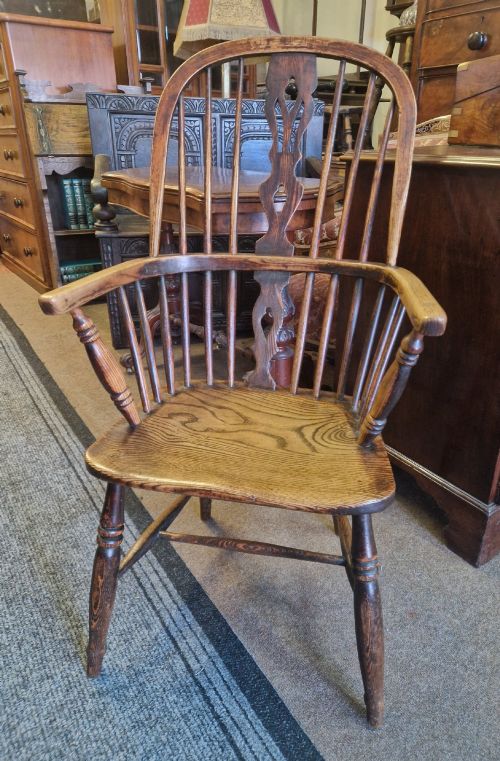
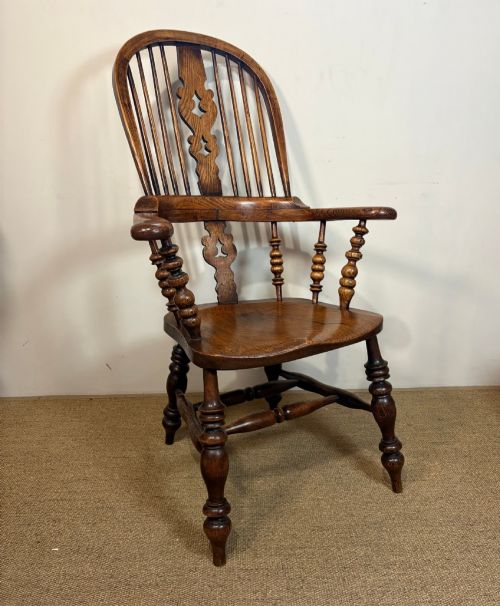
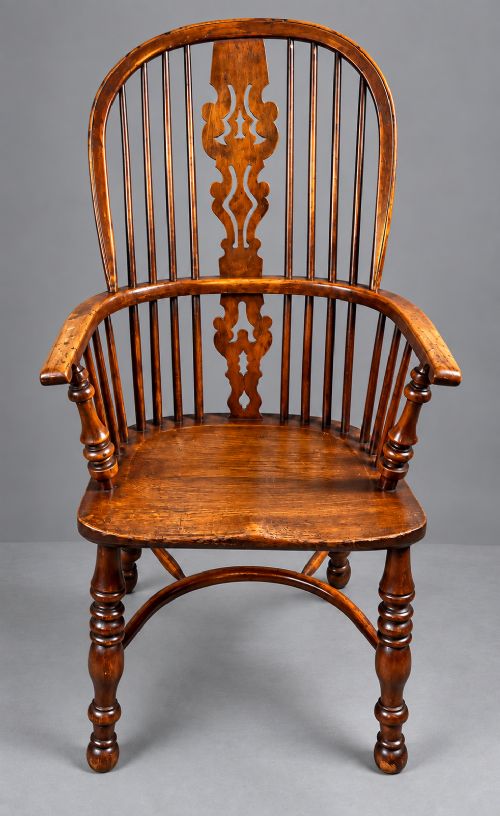
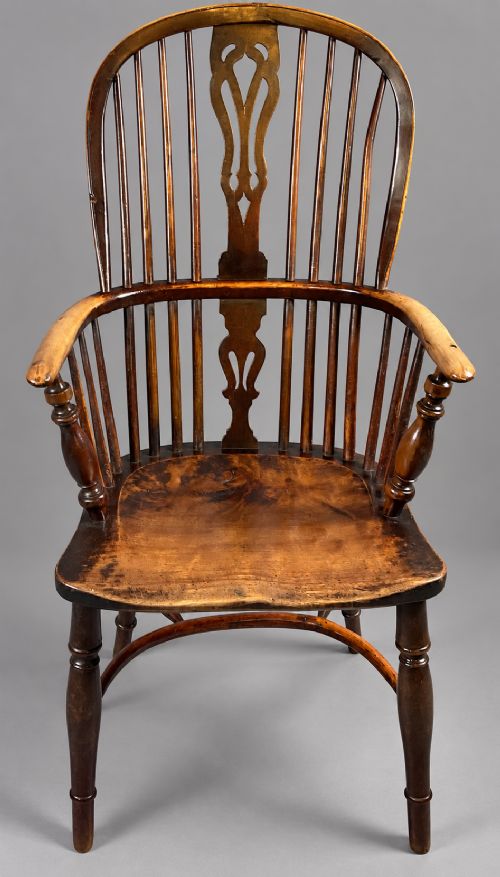
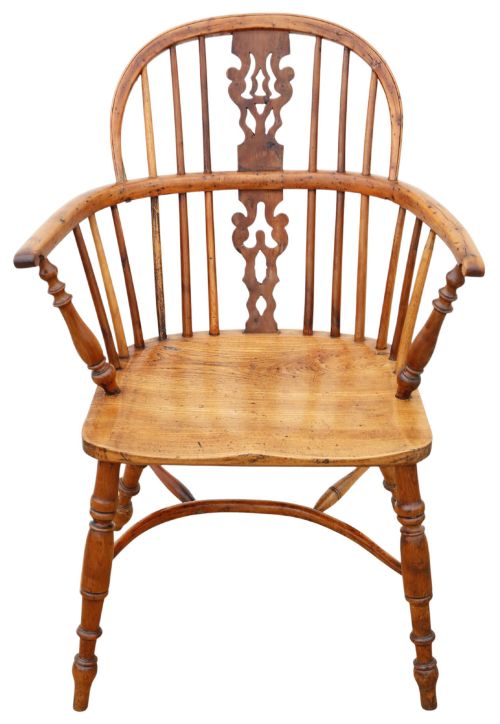
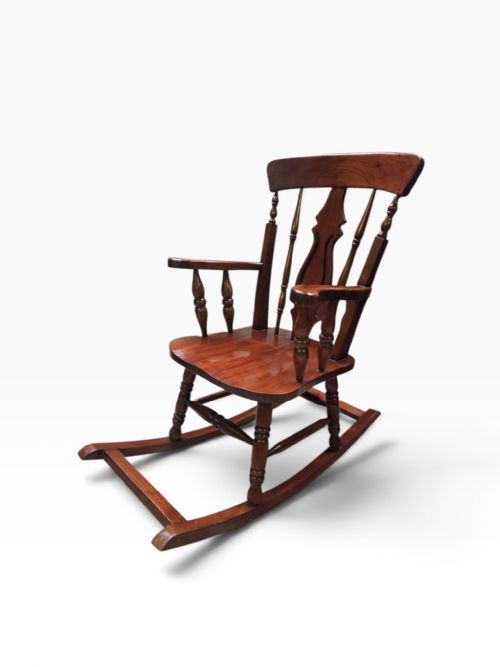
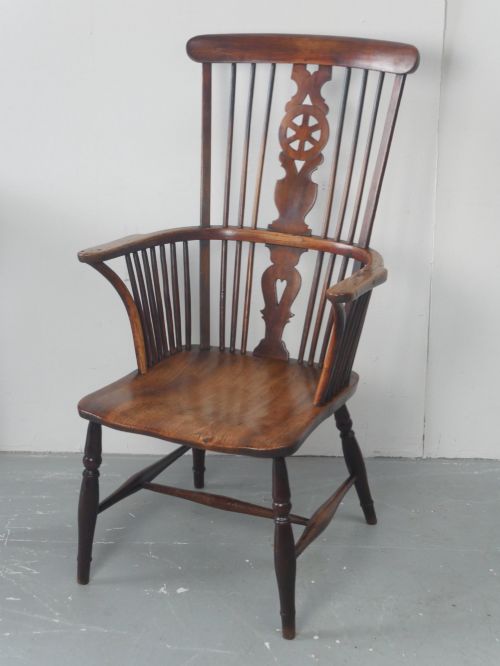
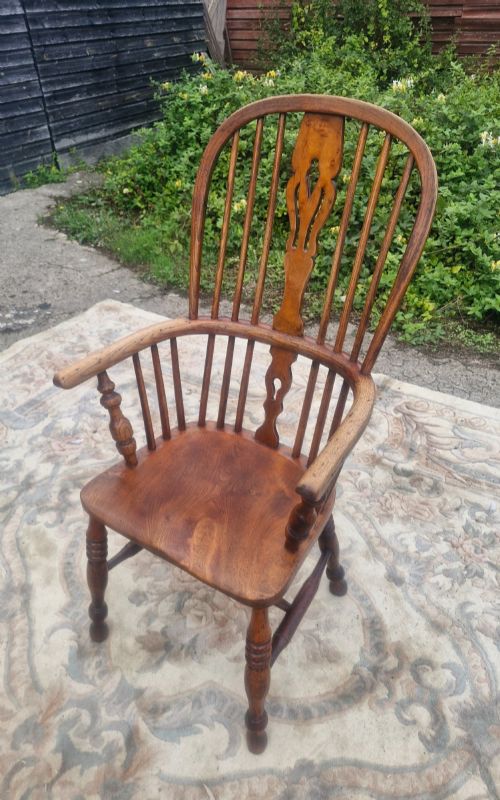
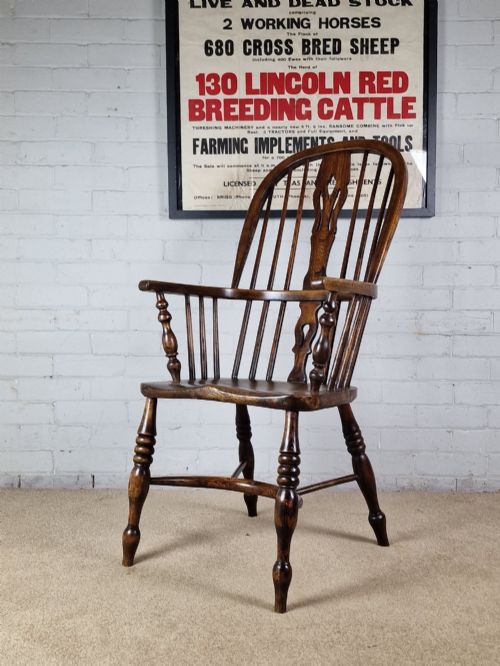
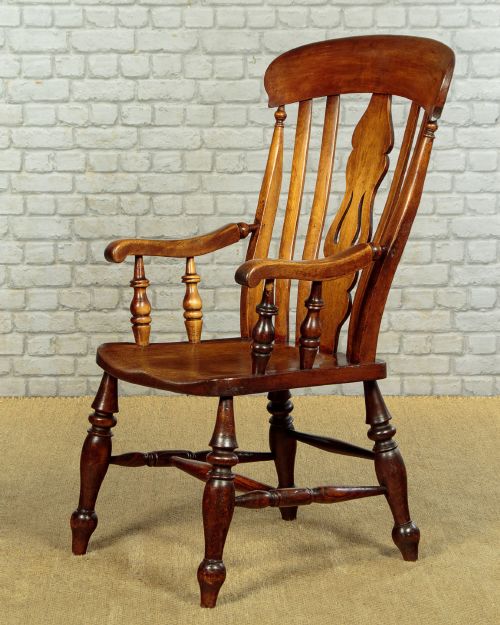
An antique windsor high chair represents a specialised form of domestic children's seating adapted from full-sized country armchair designs. These elevated seats bring young children up to the level of the dining table using sturdy wooden undercarriages and protective stick or hoop framing.
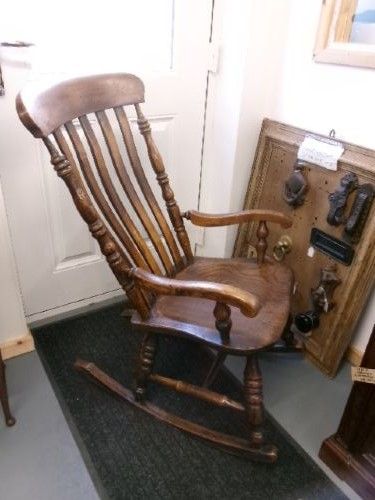
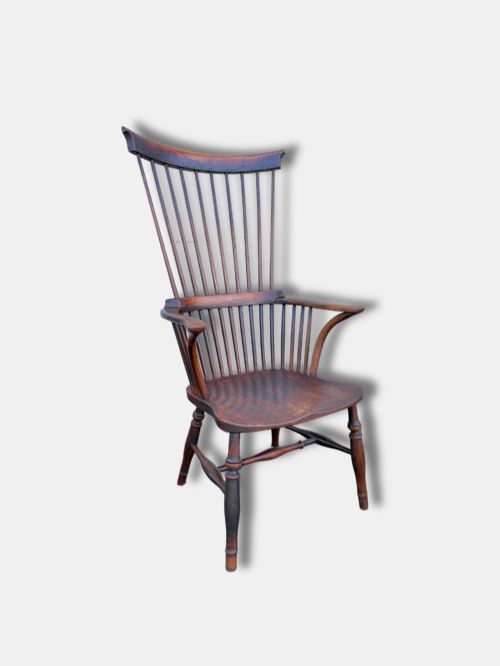
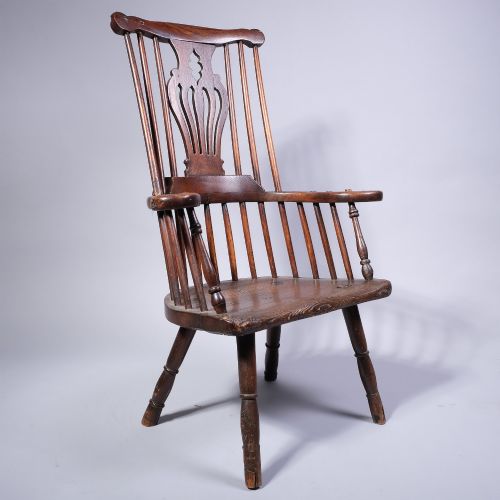
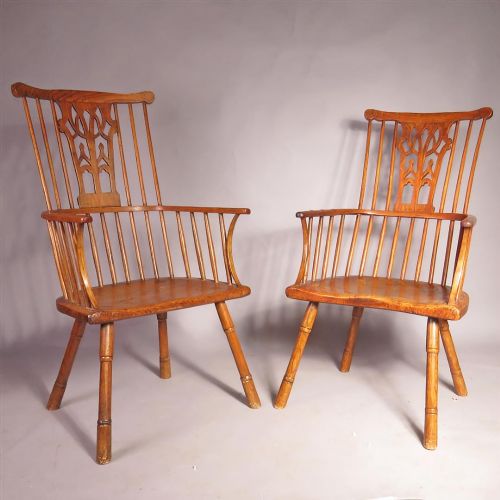
Most examples encountered date from the Victorian period through to the late nineteenth century, reflecting rural and provincial craftsmanship. They appear in forms such as high-back stick backs and lath backs, maintaining the structural integrity of adult country chairs while modifying the scale for domestic nursery use.
How They Were Made
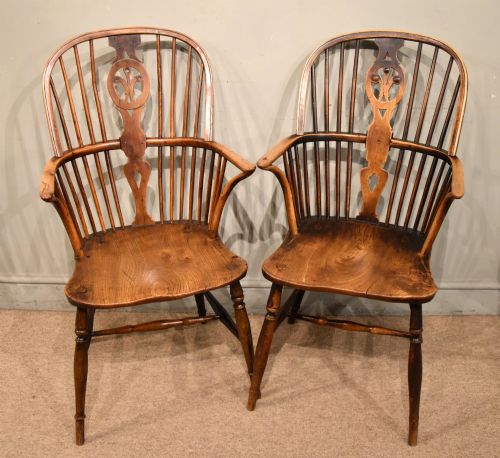
The construction relies on combining different timbers for specific structural demands, frequently pairing elm for contoured seats with ash or beech for turned spindles and legs. Yew and fruitwood also appear in regional workshops, selected for their tensile strength in slender members.
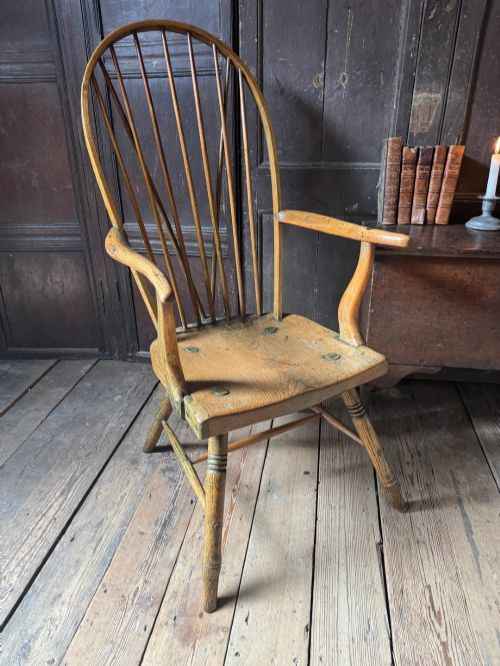
Joinery centres on the wedge-tenon method, where legs and back spindles pass directly through bored holes in the solid wooden seat and lock firmly into place. This stick-built technique provides exceptional durability under heavy daily use without requiring complex framing.
Antique Windsor High Chair Retail Price Guide 2026
Typical asking prices for windsor high chair among the pieces listed under this phrase on Sellingantiques today, from the lower quarter to the upper quarter. They describe what is for sale here now, not the wider market.
What Varies in Quality
Quality rests upon the selection of timber and the complexity of the turning work on the legs and stretchers. Seats shaped from a single thick plank of figured elm with deep adze marks demonstrate superior regional craftsmanship compared to plain, flat boards.
The balance of proportions and the refinement of the back framing determine the overall elegance of the piece. Strong, well-defined hoop backs or comb backs with neatly tapered spindles show a maker's attention to both comfort and visual harmony.
Duncan McKellar of Fenwick
The Antique Windsor High Chair Glossary
- Comb back
- A Windsor chair style where the top rail resembles the teeth of a comb, with vertical spindles rising through a horizontal arm-rail.
- Hoop back
- A continuous curved wooden bow forming the back and arms of the chair, steam-bent from a single piece of ash or elm.
- Saddle seat
- A wooden seat base carved with ergonomic depressions to improve comfort during extended periods of sitting.
- Spindle
- A slender, turned wooden rod used vertically to fill the back frame or horizontally as a structural stretcher between legs.
- Stretcher
- A horizontal wooden brace connecting the legs of a chair to provide rigidity and prevent the joints from loosening.
Antique Windsor High Chair: Frequently Asked Questions
How are antique high chairs constructed?
These chairs utilise traditional stick-built methods where turned legs and back spindles fit directly into drilled holes within a solid timber seat.
Additional stability is provided by turned wooden stretchers connecting the undercarriage, creating a rigid frame designed for heavy domestic service.
What woods were used for children's seating?
Cabinet makers and country bodgers paired dense timbers like elm for carved seats to resist splitting under pressure.
For the vertical spindles and legs, they selected flexible woods such as ash, beech, and fruitwood that could withstand heavy daily movement.
How do I date a provincial high chair?
Dating relies on observing stylistic markers such as the transition from heavy Victorian lath backs to earlier eighteenth-century comb back forms.
Tool marks, timber shrinkage, and the specific turning patterns on the legs also offer clues to whether a piece belongs to the Georgian or Victorian eras.
Were these scaled-down chairs made for everyday use?
Country households relied on these sturdy raised seats to keep toddlers secure and level with adults during family meals.
Their robust construction ensured they survived generations of nursery use, often showing genuine wear patterns from active children.