

Antique Wind Dial
An antique wind dial brings precision timekeeping to your collection through mechanical pocket watches, wristwatches, and wall clocks.
Antique Wind Dial
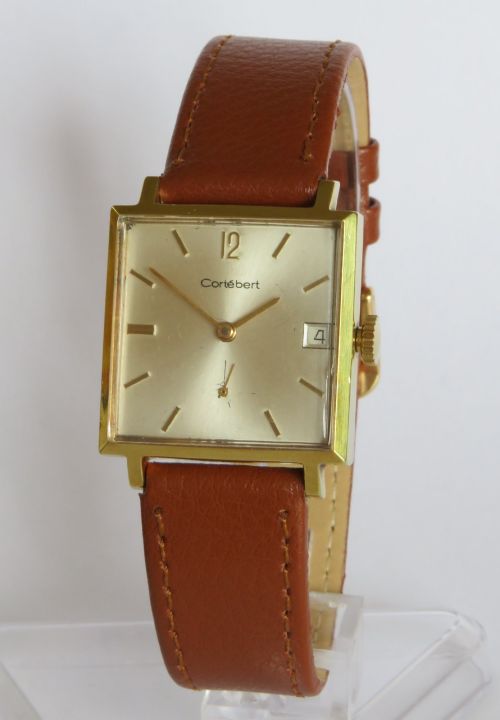
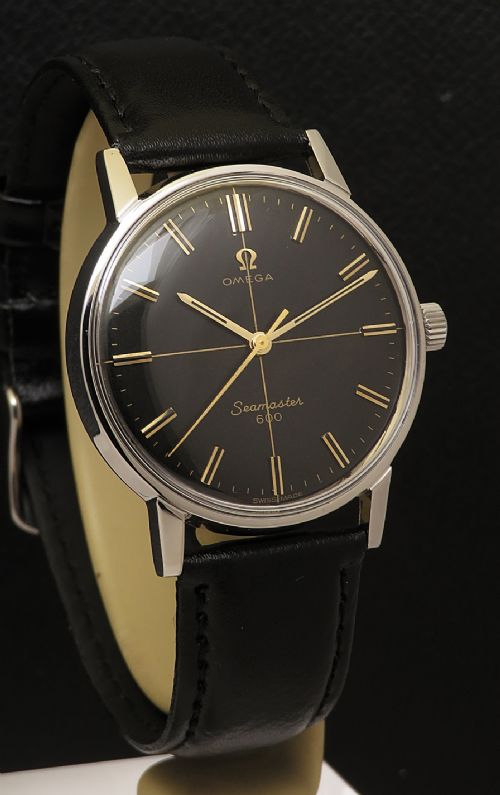
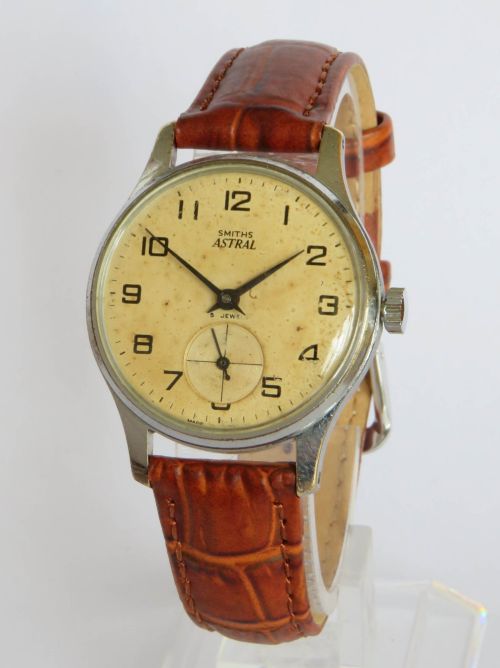
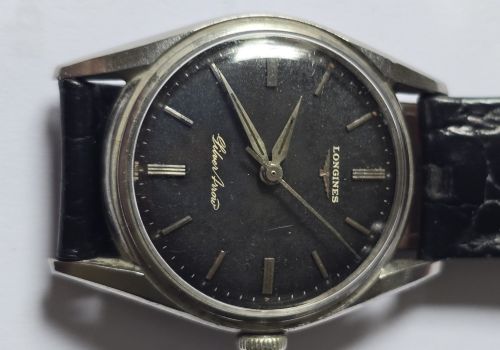
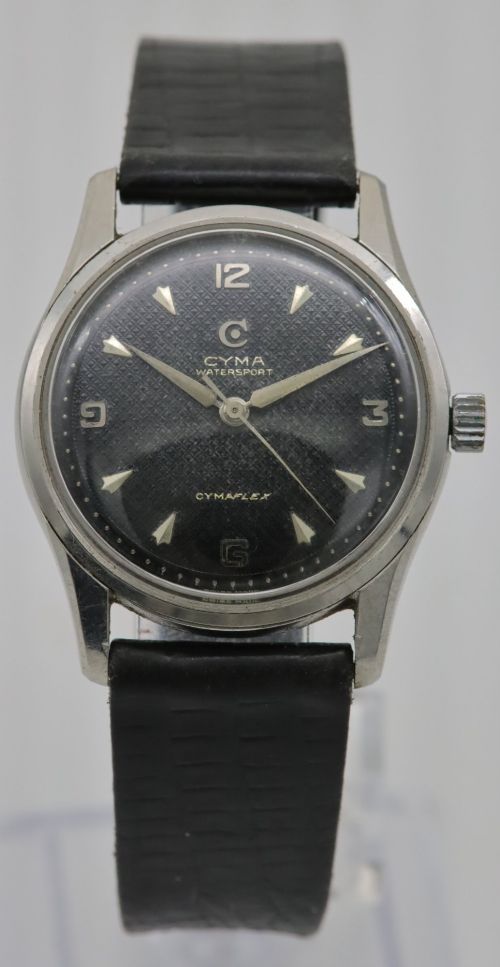
The term antique wind dial generally leads you to mechanical timepieces that require manual winding, ranging from pocket watches to wristwatches and wall clocks. These objects span from the Victorian era through the Edwardian period, the 1920s and 1930s, and into the mid-century.
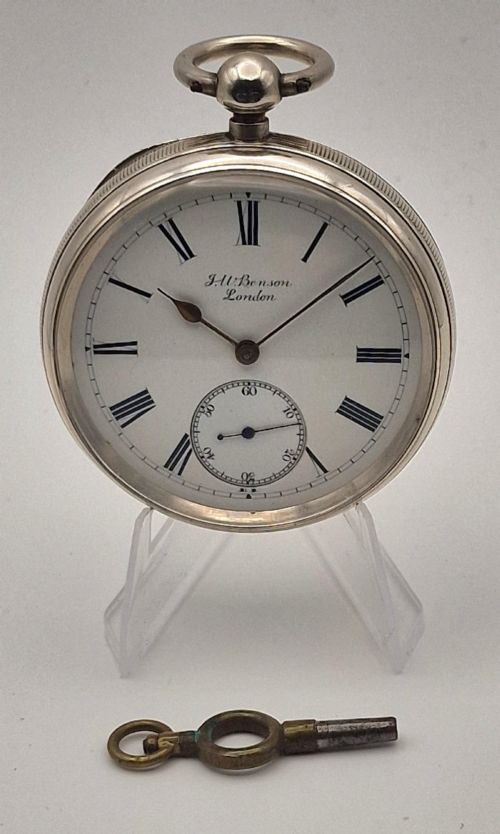
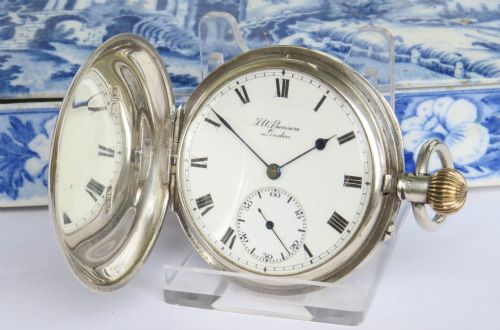
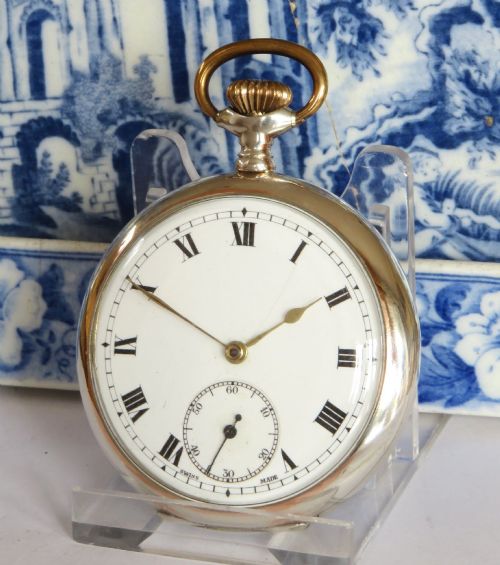
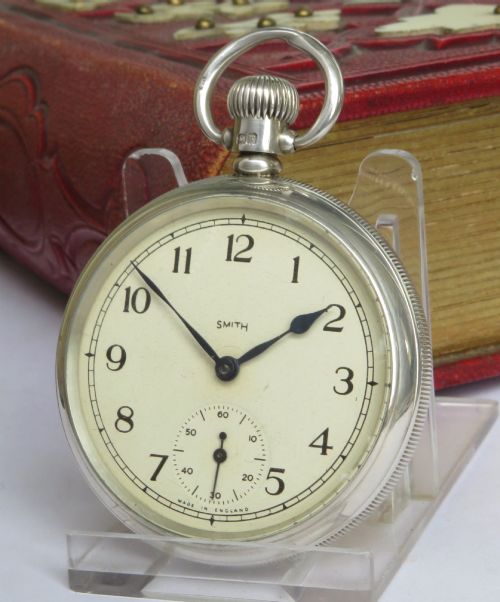
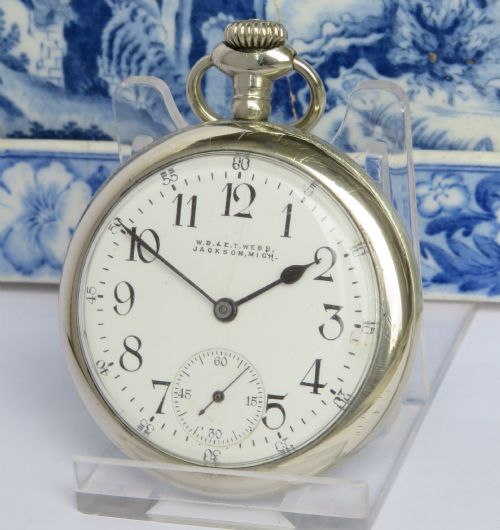
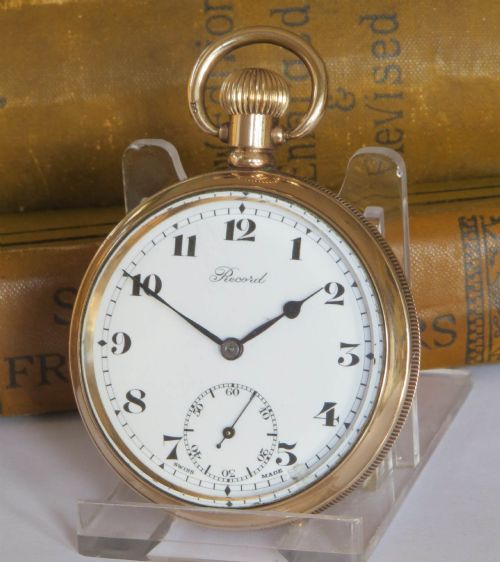
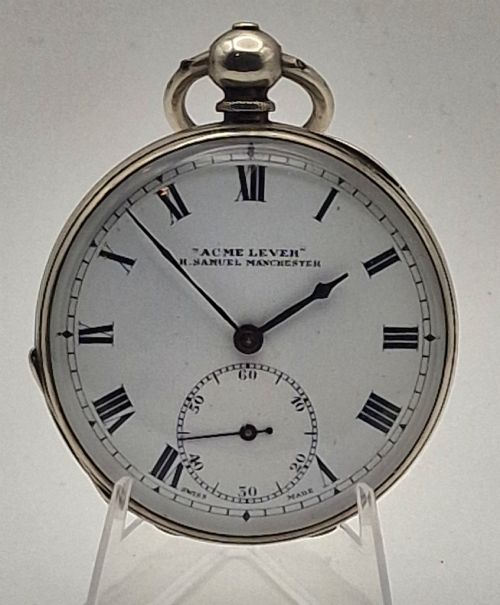
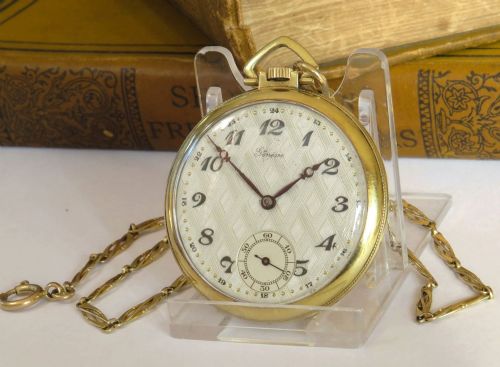
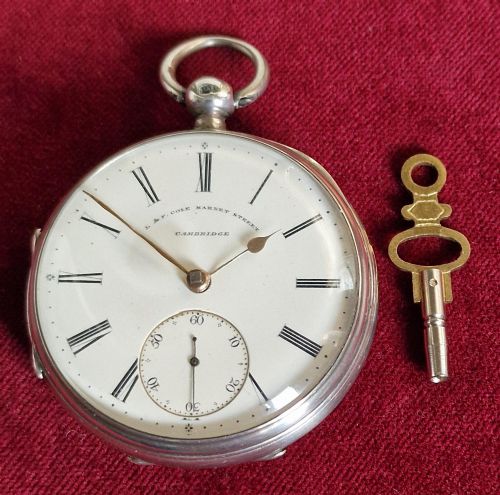
You will most commonly encounter pocket watches housed in silver or steel cases, often complete with chains and military fobs. Wall clocks in mahogany cases also appear, representing station and school timepieces with round dials.
Makers and periods recorded in these pieces cover military service items, railway timekeepers, and civilian dress watches from various European and American workshops.
Materials and Construction
Cases utilise metals such as silver, nickel, brass, stainless steel, and gold, while dials are protected by glass and frequently detailed with enamel. Leather straps and metal chains complement the portable timepieces.
Movements rely on intricate steel gear trains and spring mechanisms designed to be hand-wound, housed within robust metal enclosures or wooden wall clock cases.
Antique Wind Dial Retail Price Guide 2026
Typical asking prices for wind dial among the pieces listed under this phrase on Sellingantiques today, from the lower quarter to the upper quarter. They describe what is for sale here now, not the wider market.
Oddfellows and bravery awards hide inside the pocket watch inscriptions, recording moments when a timepiece meant more than just the hours.
Assessing Quality and Craftsmanship
Quality separates through the refinement of the movement inside and the durability of the outer case material, such as solid silver versus plated base metals. Finer pieces demonstrate superior finishing on internal gears and crisp enamel work on the dial face.
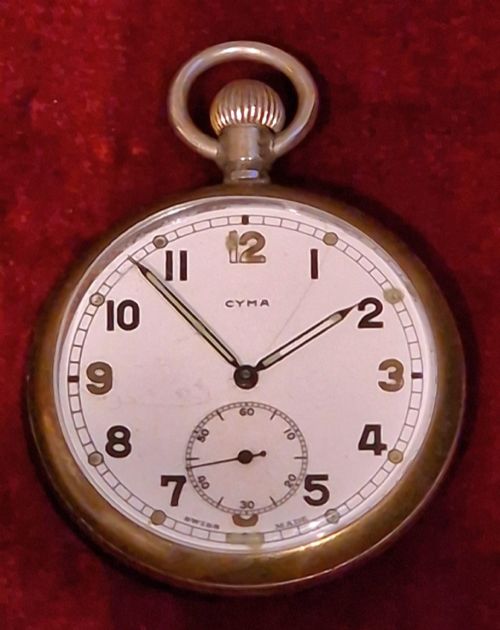
Historical association also elevates certain examples, particularly military-issued pieces from World War II or documented railway timekeepers with verified service markings.
Zenith·Elgin·Waltham·Longines·Omega·Cyma·Lange and Sohne
The Antique Wind Dial Glossary
- Pocket Watch
- A portable timepiece designed to fit in a pocket, usually attached to a chain or fob. These mechanical watches require manual winding via the crown.
- Hunter
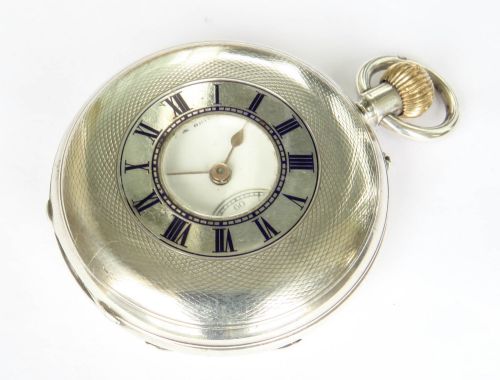
- A pocket watch featuring a spring-loaded metal cover that protects the glass dial. A half hunter includes a small glass aperture in the cover to read the time without opening it.
- Chronograph
- A watch equipped with a stopwatch function alongside standard timekeeping. These complications require additional internal mechanisms.
- Enamel
- A glassy substance fused to metal dials under high heat to create a smooth, durable surface for numerals. This finish resists tarnishing over decades.
Antique Wind Dial: Frequently Asked Questions
How do I wind a mechanical watch?
Turn the crown clockwise gently until you feel resistance, taking care not to overwind the mainspring.
Stop immediately when the tension increases to prevent damage to the internal gearing.
Were these watches used in the military?
Many pocket watches and wristwatches served during World War II for armed forces personnel.
These military pieces often feature specialised case backs and clear dial markings for readability.
What is a railway timekeeper?
Railway timekeepers are highly accurate pocket watches utilised by train conductors and station staff.
They demanded strict precision to ensure proper scheduling across the rail network.
How should I store a pocket watch?
Keep your timepiece in a dry environment away from direct sunlight and magnetic fields.
Resting the watch in a dedicated display case or hanging it from a pocket watch stand protects the exterior.