



Antique White Porcelain
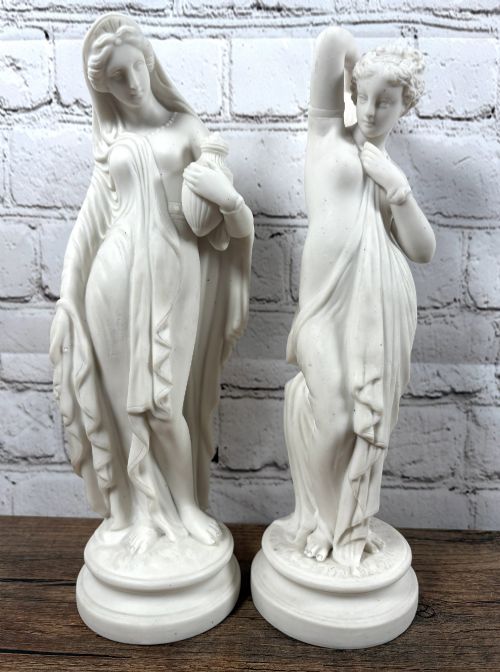
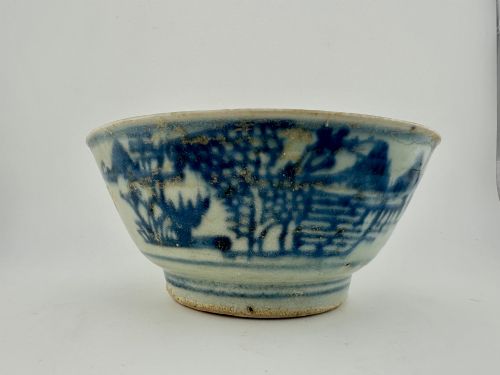
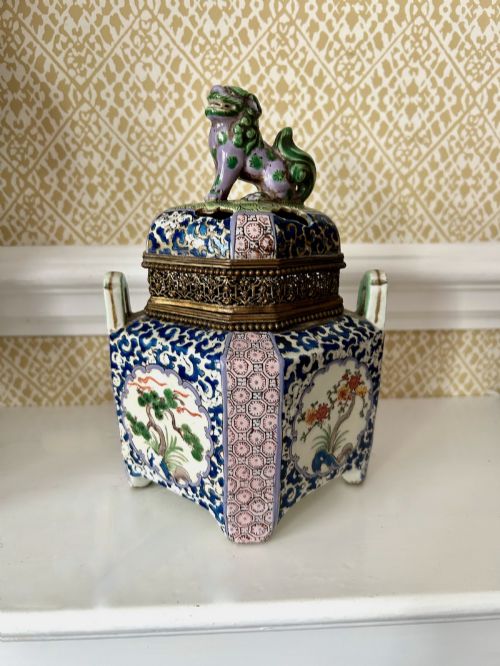
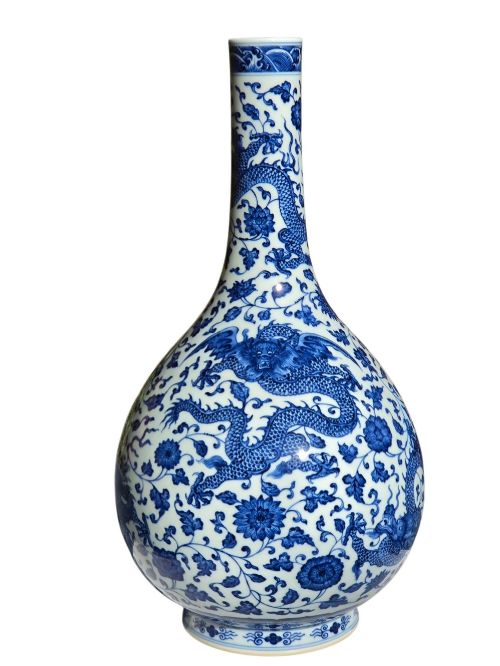
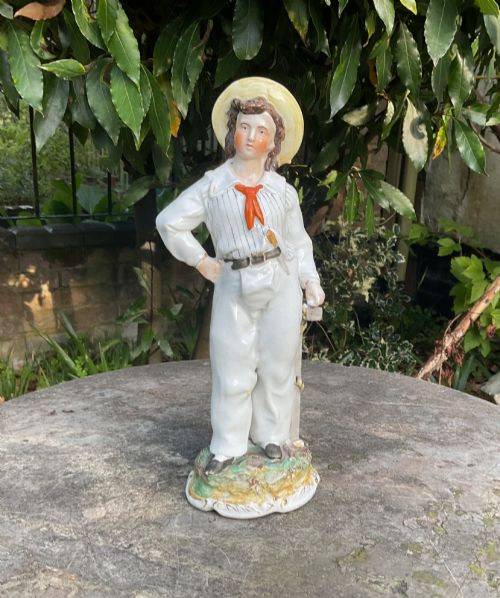
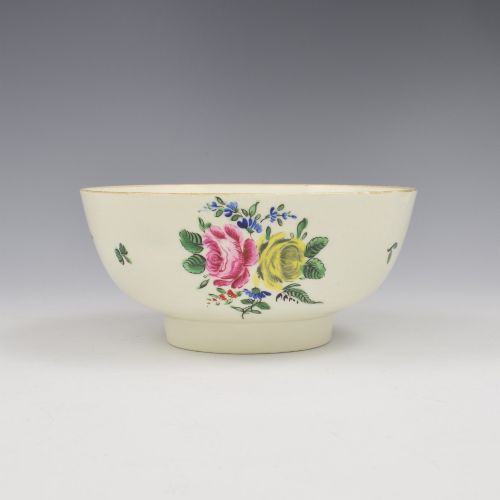
Antique white porcelain encompasses delicate European tablewares and eastern vessels from the eighteenth and nineteenth centuries.
Antique White Porcelain
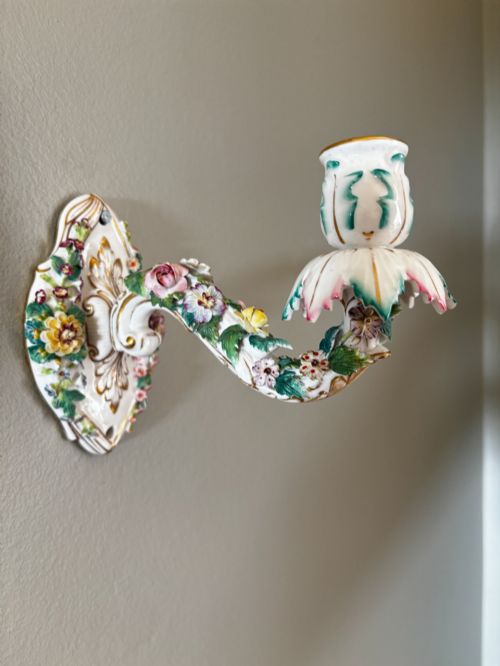
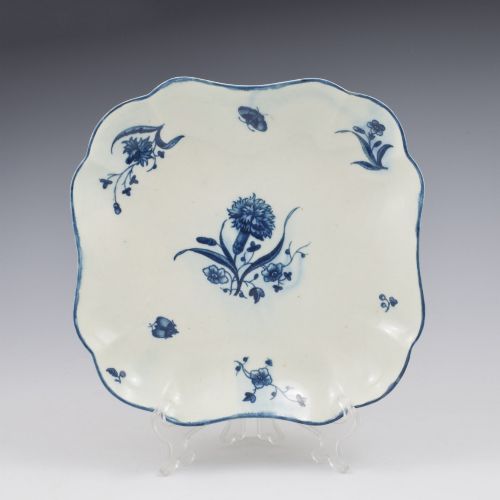
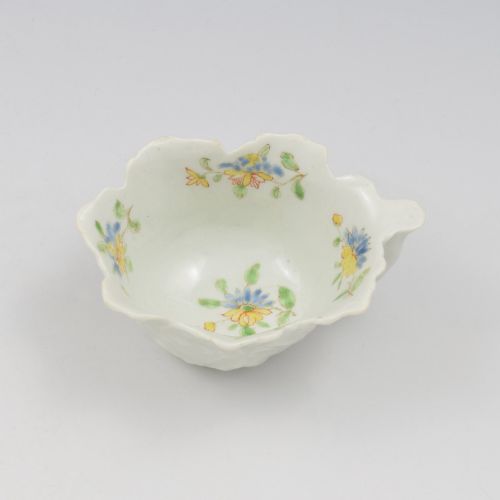
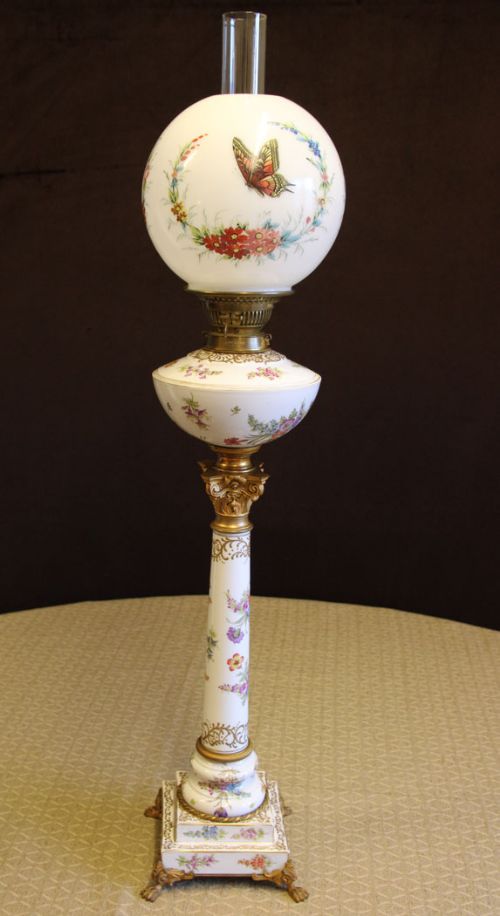
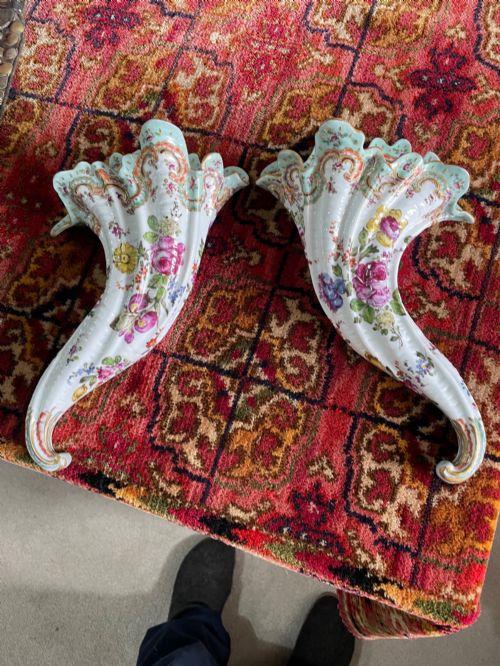
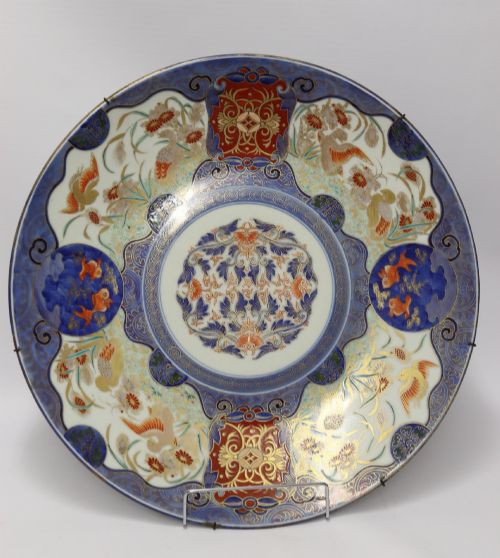
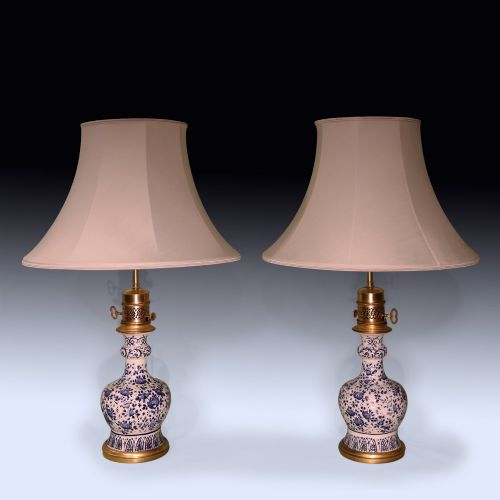
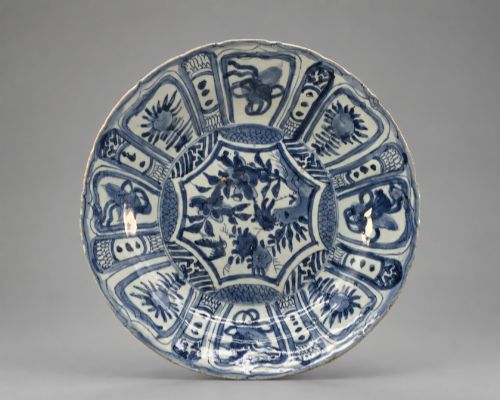
When searching for antique white porcelain, buyers encounter a diverse selection of objects ranging from Georgian English tableware to Qing Dynasty and Japanese vessels. The primary focus centres on utilitarian and decorative forms such as vases, bowls, plates, and teapots produced across multiple centuries.
English factories like Worcester, Derby, and New Hall dominate the domestic offerings, alongside continental and Asian pieces spanning the sixteenth to the nineteenth century. These objects reflect the changing tastes of their respective periods, moving from utilitarian vessels to highly ornate cabinet pieces.
Buyers are most likely to meet Worcester porcelain tea wares and decorative dishes alongside various Asian export forms on this page. Each piece demonstrates the distinct ceramic traditions of its origin, whether European soft-paste or oriental hard-paste body.
How antique white porcelain was made
The manufacture of these pieces relies upon the combination of finely ground ceramic clays, mineral fluxes, and silica fired at high temperatures. English makers utilised soft-paste or bone china formulations, whilst Asian workshops perfected durable hard-paste porcelain bodies.
Glazing and surface decoration followed the initial firing, often incorporating cobalt blue pigments under the glaze or enamel colours applied over the surface. Gilding with gold leaf or liquid gold was frequently added as a final layer before a lower-temperature fixation firing.
Antique White Porcelain Retail Price Guide 2026
Typical asking prices for white porcelain among the pieces listed under this phrase on Sellingantiques today, from the lower quarter to the upper quarter. They describe what is for sale here now, not the wider market.
Materials documented across the inventory include traditional ceramic bodies, enamel, gold leaf, and cobalt glaze.
What varies in quality
Quality in these ceramics depends significantly on the purity of the porcelain body and the precision of the thrower's or mould-maker's craft. Thinner, more translucent walls and crisp moulding distinguish superior items from heavy, coarse commercial output.
The sophistication of the painted or gilded decoration separates standard productions from works attributed to skilled studio artists. Fine brushwork, controlled enamel application, and well-preserved gilding indicate superior workshop execution.
Flight Barr and Barr·Gebrüder Heubach·New Hall·H and R Daniel·Takasaka Toemon
The Antique White Porcelain Glossary
- Soft-paste porcelain
- A ceramic material composed of white clay and glass frit, fired at lower temperatures than hard-paste. This body was widely utilised by eighteenth-century English factories such as Worcester and Derby.
- Hard-paste porcelain
- A true porcelain made from kaolin and petuntse, fired at high temperatures to create a vitrified, translucent body. This formulation originated in China and was later replicated in Europe.
- Enamel
- Opaque coloured glass fused to the surface of porcelain during a secondary firing. It allows for vibrant pictorial and geometric decoration across domestic and export wares.
- Gilding
- The application of gold leaf or powdered gold to the surface of ceramic objects for ornamentation. It appears frequently on Regency and Georgian tablewares.
- Glaze
- A glassy coating fused to the ceramic body by heat to render the piece impermeable to liquids. In white porcelain, this layer provides a smooth, glossy finish that accentuates the pure tone of the clay beneath.
Antique White Porcelain: Frequently Asked Questions
Can I use antique porcelain for dining?
Most antique porcelain remains structurally sound for occasional use, though historic glazes can be sensitive to modern dishwashers and acidic foods. Utensil marks may scratch softer historical glazes over time.
Displaying or reserving these pieces for special occasions helps preserve their delicate enamel decorations and gold leaf details.
What is the difference between soft-paste and hard-paste?
Soft-paste porcelain contains glass and clay mixtures fired at lower temperatures, producing a warm tone and a slightly softer body. Hard-paste porcelain uses kaolin fired at extreme heat to create a dense, highly vitrified surface.
European factories developed soft-paste before mastering true hard-paste formulations in the late eighteenth century.
How can I date unmarked antique porcelain?
Dating relies on stylistic clues, form, paste characteristics, and potting techniques specific to particular eras and factories. Comparing the ceramic body and glaze type to documented examples helps narrow down the production period.
Shape numbers, painted pattern codes, and factory marks provide additional confirmation when present on the base.