




Antique White Linen
Antique white linen brings durable storage and painted character into a room through generous cupboards and storage furniture.
Antique White Linen
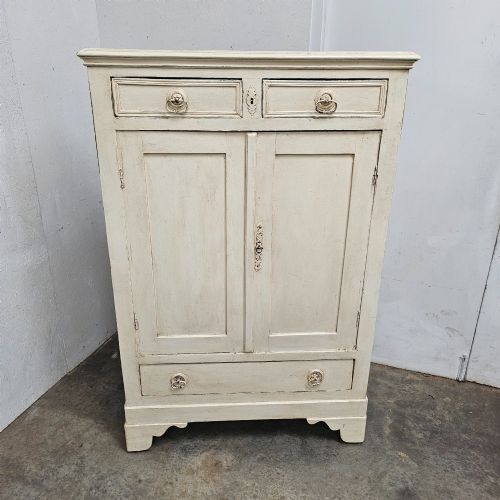
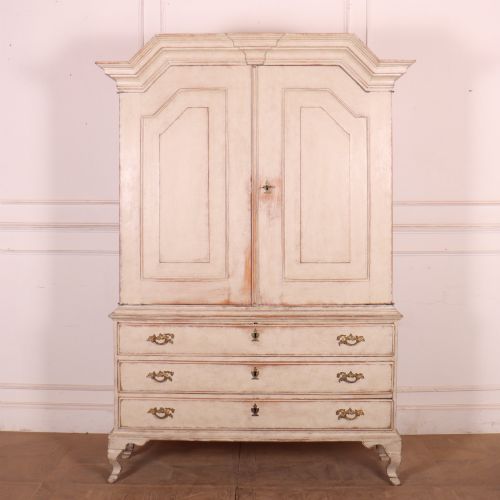
When searching for antique white linen, buyers encounter substantial storage furniture designed to hold household textiles, notably housekeeper's cupboards, linen cupboards, and painted pine cabinets. These items originate primarily from eighteenth-century and nineteenth-century workshops across England, Sweden, and France, reflecting distinct regional tastes in domestic organisation.
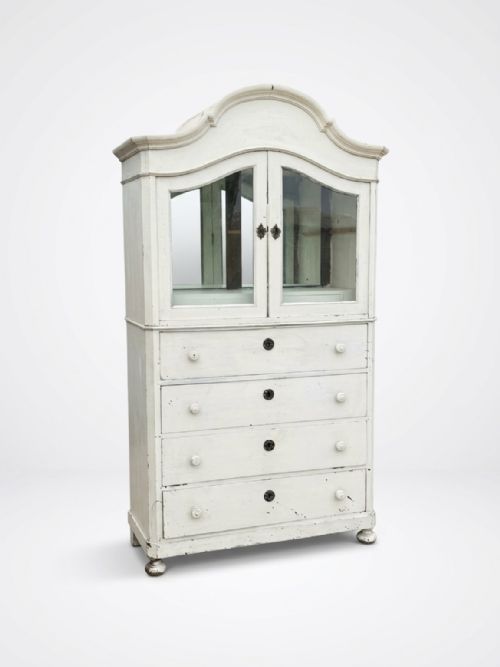
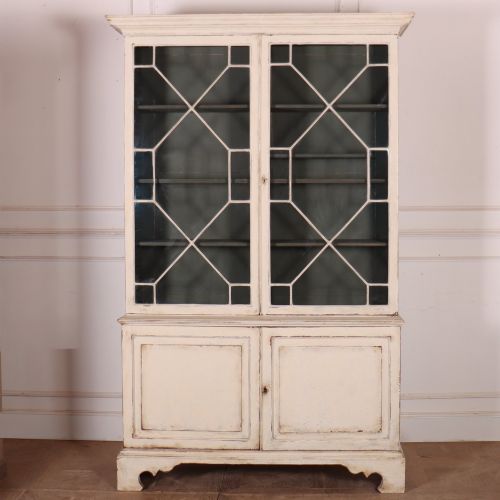
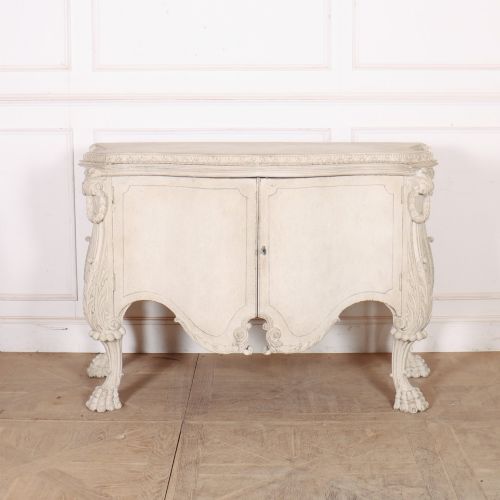
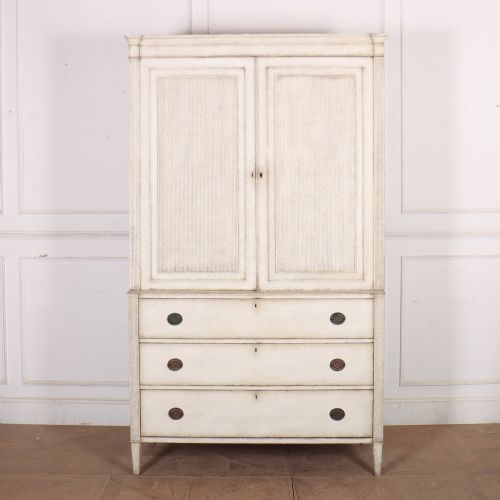
The most frequent form on this page is the painted pine linen cupboard, alongside larger architectural pieces like side cabinets and hall wardrobes. Such items combine utilitarian purpose with surface finishes that have evolved through decades or centuries of domestic use.
Materials and construction methods
Makers relied predominantly on solid pine and domestic hardwoods, constructing carcasses with traditional joinery suited to heavy daily domestic service. Surfaces received layers of paint, often applied in later periods to refresh furniture in English and Swedish country house interiors.
Hardware details typically include brass or iron fixtures, while glass panels appear on glazed bookcase variants. The construction prioritises robust utility, visible in the heavy framing of eighteenth-century and nineteenth-century cupboards.
Listings span the 18th century through the Edwardian era, featuring pine, oak, brass, and painted wood across English, Swedish, and French styles.
Assessing quality in painted storage
Quality rests upon the integrity of the original timber frame and the character of the surface paint. Pieces retaining their early or original painted finish show a depth of texture that later cosmetic applications lack.
Proportion and scale distinguish finer regional pieces, such as bonnet top cabinets or Yorkshire housekeeper's cupboards, from standard utility items. The balance between practical internal shelving and well-proportioned exterior doors determines the standing of each piece.
The Antique White Linen Glossary
- Housekeeper's cupboard
- A large storage piece traditionally used in country houses for linens and dry stores, usually featuring upper cupboards and lower drawers or lower doors.
- Pine
- A softwood commonly utilised for country furniture across English, Swedish, and French traditions, frequently serving as the base for painted finishes.
- Bonnet top
- A curved or arched upper pediment found on cabinets and bookcases, adding height and architectural presence to regional furniture.
- Glazed
- Fitted with glass panes within the door frames to display books or household objects while keeping dust away from the interior.
- Fauteuil
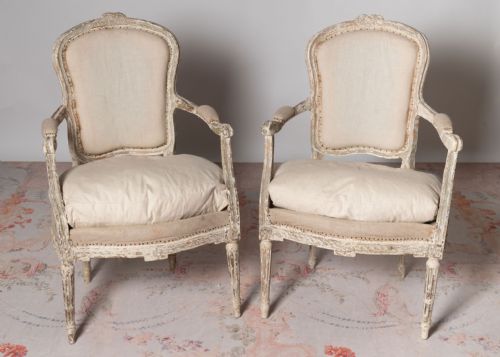
- An open-framed upholstered armchair with wooden arms, originating in French design traditions and adopted into country house interiors.
Antique White Linen: Frequently Asked Questions
What is a housekeeper's cupboard used for?
These large pieces provided central storage for household textiles, blankets, and provisions in large country residences.
Today they function as major storage cabinets in kitchens, bedrooms, or hallways, holding clothing, crockery, or linens.
How do you identify Swedish painted furniture?
Swedish pieces often feature pale painted pine surfaces, simple neoclassical lines, or regional country details such as bonnet tops.
They emerged from Scandinavian domestic traditions where light colours maximised interior daylight during long winters.
Are these cupboards made of solid wood?
The listings show construction primarily in solid pine and oak, built for heavy domestic use.
Makers relied on thick timber boards for carcasses, doors, and internal shelving rather than modern veneered sheet materials.
How should I care for painted antique pine?
Dust surfaces regularly with a soft dry cloth and avoid harsh chemical cleaners that might lift historic paint layers.
Keep the timber away from direct heat sources and rapid humidity shifts to protect the wood and surface finish.