


Antique White Dresser
An antique white dresser brings painted charm and practical storage to a room, grounding your interior with centuries of honest craftsmanship.
Antique White Dresser
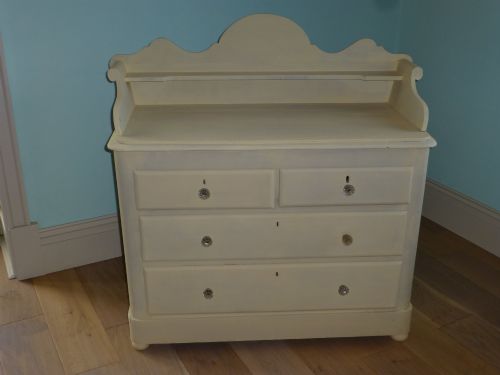
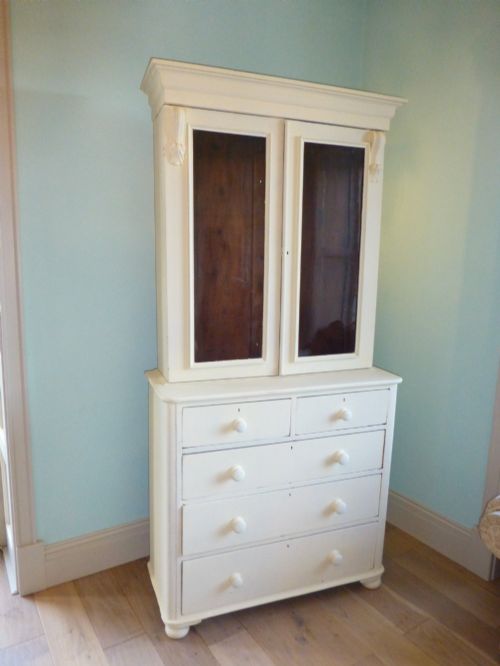
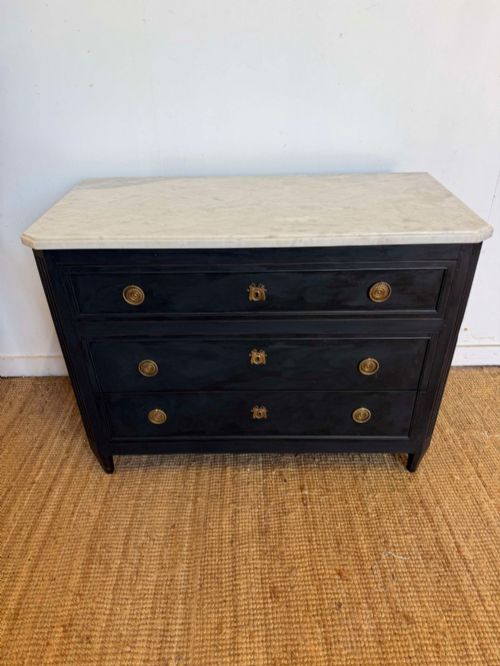
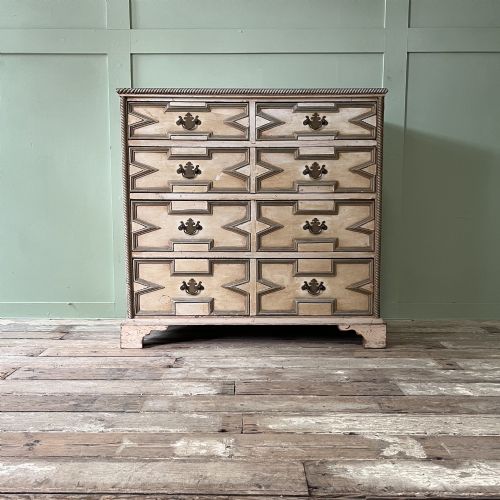
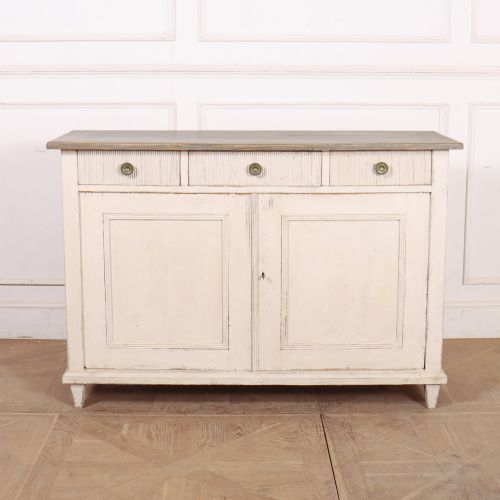
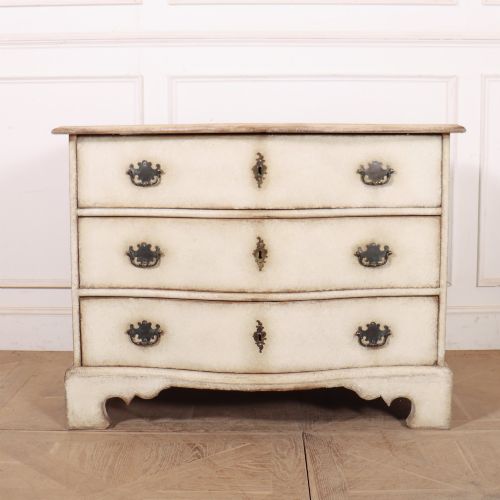
When searching for an antique white dresser, you encounter pieces spanning the eighteenth, nineteenth, and early twentieth centuries, encompassing styles from English country to Gustavian and French provincial. These items primarily manifest as painted pine or softwood chests of drawers, dresser bases, commodes, and housekeeper's cupboards.
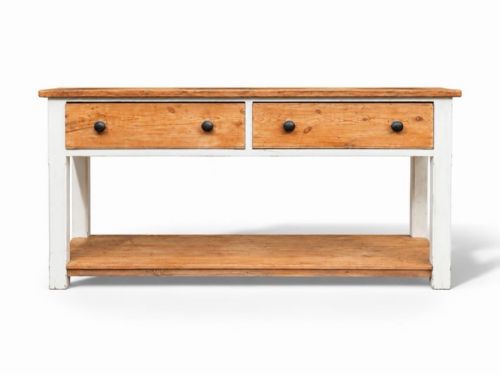
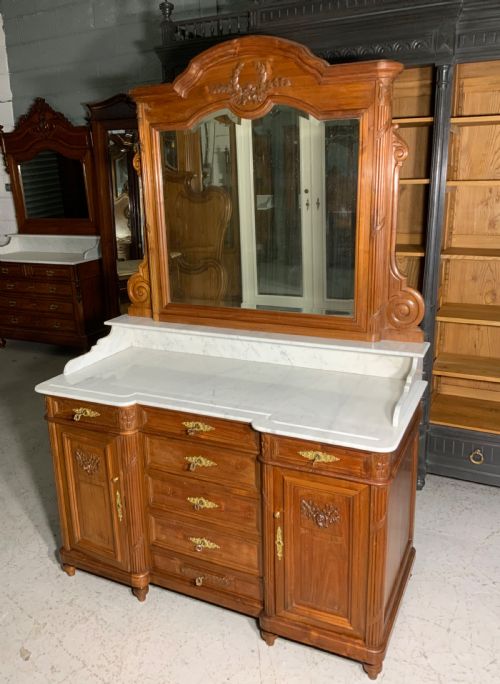
The most common examples on this page are nineteenth-century English and continental painted pieces, often finished in soft white or muted tones that highlight their utilitarian origins. Alongside traditional drawer chests, variations include washstands, display cabinets, and potboard dresser bases.
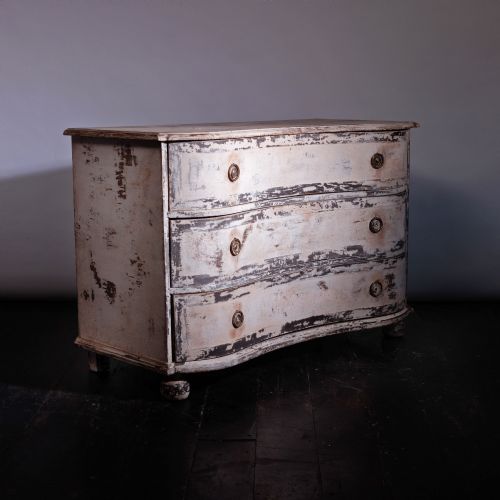
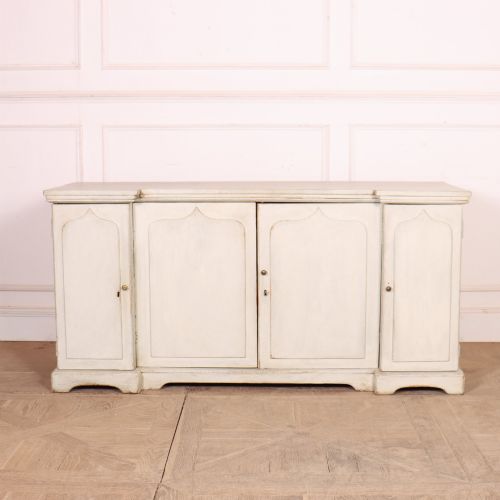
Origins vary widely across Britain and continental Europe, featuring Swedish bonnet top cabinets, German serpentine commodes, and French provincial buffets. Each region imparts distinct proportions and mouldings to the form, distinguishing country vernacular furniture from urban cabinet work.
Materials and construction
Makers built these pieces predominantly from pine, oak, and mixed woods, applying layered paint finishes directly to the timber to protect and decorate the surface. Over decades, this paint has settled into the grain, developing a soft patina and subtle craquelure.
Joinery techniques rely on traditional hand-cut dovetails for drawer construction and pegged mortise and tenon joints for structural carcases. Many larger items, such as chests on chests and housekeeper's cupboards, were constructed in two distinct parts to facilitate transport in smaller homes.
Antique White Dresser Retail Price Guide 2026
Typical asking prices for white dresser among the pieces listed under this phrase on Sellingantiques today, from the lower quarter to the upper quarter. They describe what is for sale here now, not the wider market.
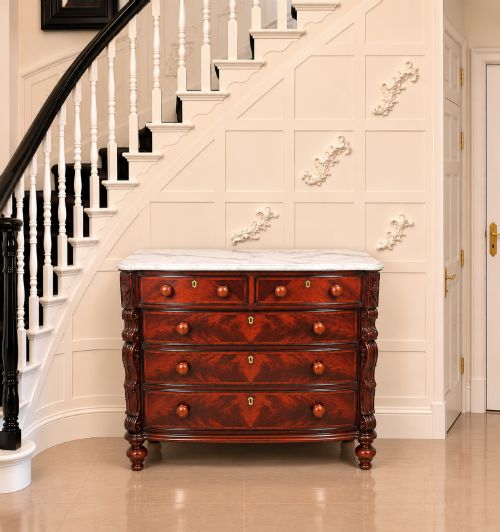
Listings feature items spanning the eighteenth to the early twentieth century, utilising pine, oak, and marble.
Judging quality and character
Quality rests in the integrity of the original paint surface and the honesty of the timber beneath rather than a pristine factory finish. Pieces retaining their early or original painted decoration command greater interest than later, heavy-handed overpainting.
Sir Clough Williams-Ellis·Edwards and Roberts
The Antique White Dresser Glossary
- Dresser base
- A low sideboard or serving table featuring drawers and sometimes a potboard shelf beneath, originating from country kitchens.
- Serpentine commode
- A chest of drawers characterised by a distinctive undulating or wave-shaped front profile, common in eighteenth and nineteenth-century continental design.
- Housekeeper's cupboard
- A large, tall storage piece traditionally used in country houses for linens and dry goods, combining upper cupboards with lower drawers.
- Gustavian
- The Swedish interpretation of French neoclassical style, known for pale painted finishes, restrained carving, and functional elegance.
- Potboard
- An open slatted lower shelf beneath a dresser base, originally designed to hold pots and pans in domestic kitchens.
Antique White Dresser: Frequently Asked Questions
Are these pieces painted recently?
Many items feature historic paint finishes applied decades or centuries ago, which show natural wear, chipping, and softening of the edges. Some pieces display layered decoration accumulated through successive generations of domestic use.
Examining the underlying timber and the way the paint interacts with the grain helps determine the age of the surface. A genuine antique finish exhibits a depth and integration that modern re-painting cannot replicate.
Where should I place a dresser?
These pieces suit living rooms, dining spaces, and hallways where their surface provides display space and the drawers offer concealed storage. Positioning them away from direct sunlight and radiators protects the wood and painted finish from drying out.
Ensure the room maintains stable humidity levels to prevent the timber carcase from warping or the drawer runners from binding.
How do I tell regional styles apart?
English country furniture tends to use simple pine and robust construction, focusing on utilitarian function. Continental pieces, particularly from France and Sweden, often feature more elaborate serpentine fronts, carved detailing, and lighter Gustavian palettes.
Examining the timber species and hardware style alongside the proportions provides clear clues to the piece's geographical origin.