




Antique White Dining Table
An antique white dining table brings rustic warmth and weathered character to a room, offering practical surface space layered with history.
Antique White Dining Table
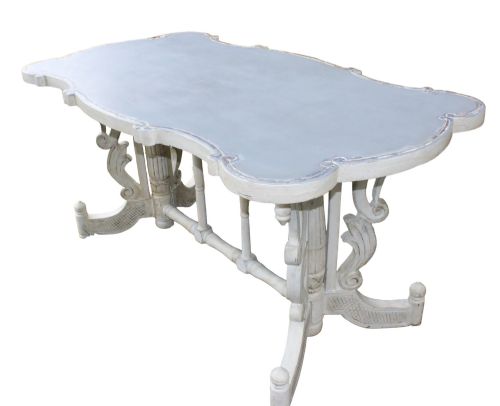
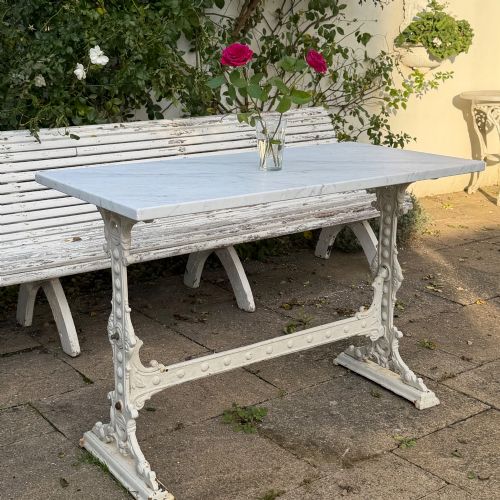
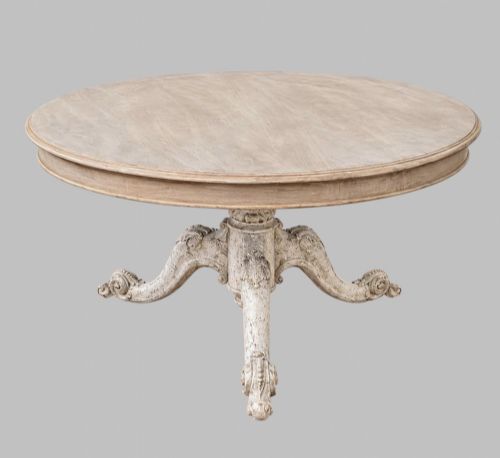
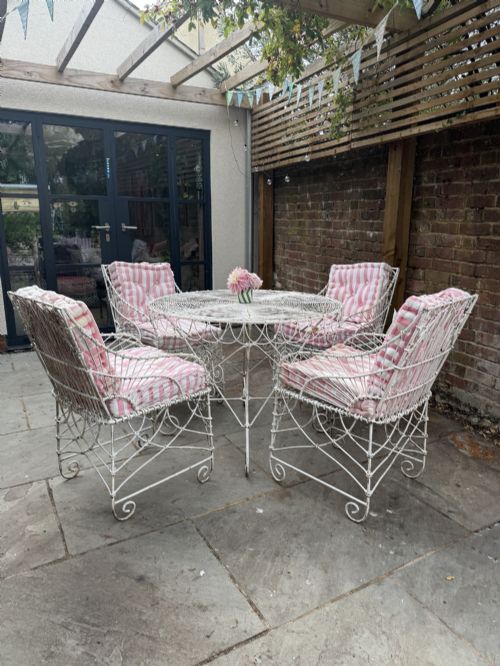
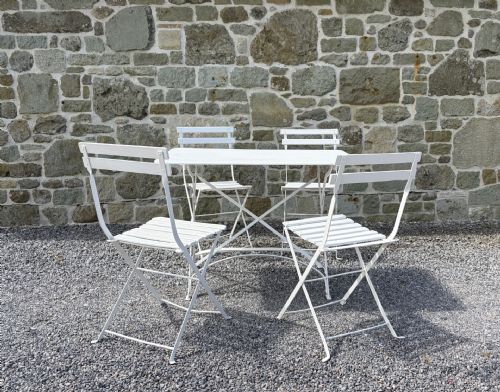
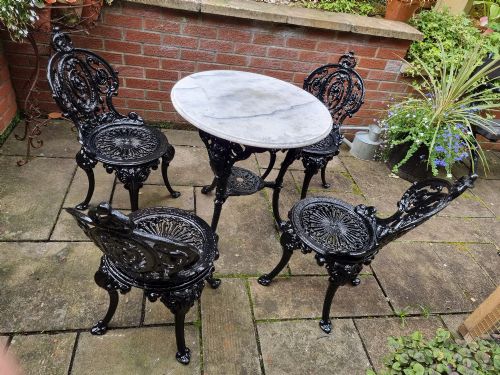
When searching for an antique white dining table, buyers encounter a variety of painted timber surfaces and country forms originating from nineteenth-century workshops up to the nineteen-thirties. These pieces span robust pine kitchen furniture, drop-leaf gateleg designs, and garden sets featuring painted finishes.
The version most commonly met on this page combines heavy pine or painted wood with layers of aged paint, reflecting Scandinavian country, French chateau, and rustic farmhouse aesthetics. Such tables serve as functional dining surfaces while displaying the visible patina of decades of domestic use.
How these tables were constructed
Makers utilised solid pine, oak, and wrought or cast iron, building frames designed for heavy everyday use in kitchens and gardens. Surfaces were finished with multiple coats of paint, which over time developed natural craquelure and weathering.
Joinery techniques relied on traditional pegged joints and sturdy gateleg mechanisms, ensuring stability for large drop-leaf formats. Tables frequently incorporated practical additions such as single storage drawers integrated beneath the timber top.
Antique White Dining Table Retail Price Guide 2026
Typical asking prices for white dining table among the pieces listed under this phrase on Sellingantiques today, from the lower quarter to the upper quarter. They describe what is for sale here now, not the wider market.
Listings feature pine, painted wood, wrought iron, and marble materials across nineteenth-century and early twentieth-century periods.
Judging the quality of an antique white dining table
Quality rests in the integrity of the timber frame and the authenticity of the painted surface, where genuine layered wear differs fundamentally from modern distressing. Superior examples retain their original structural bracing and proportional balance without excessive timber replacement.
The distinction between standard utility furniture and finer pieces lies in the subtlety of the proportions, the retention of original ironwork or drawer pulls, and the depth of the accumulated paint layers accumulated across generations.
Christopher Dresser
The Antique White Dining Table Glossary
- Gateleg table
- A drop-leaf table with hinged flaps supported by swing-out legs that pivot from the frame. This design allows the surface area to expand or contract depending on space requirements.
- Pine
- A softwood commonly utilised for nineteenth-century country furniture due to its abundance and workability. It accepts painted finishes readily and develops a distinctive character through wear.
- Painted finish
- A decorative and protective coating applied to timber furniture, often accumulating multiple historical layers. Genuine antique painted surfaces exhibit natural fading and softening of edges.
- Preparation table
- A heavy utilitarian work table historically used for food or domestic preparation. These pieces typically feature durable wooden tops and integrated drawers for utensils.
- Patina
- The surface sheen and textural change acquired by wood, paint, and metal through decades of handling, cleaning, and exposure to light.
Antique White Dining Table: Frequently Asked Questions
How do I clean an antique painted table?
Dust the surface regularly with a soft, dry cloth to prevent dirt accumulation. Avoid harsh chemical cleaners that can strip or soften the historic paint layers.
For stubborn marks, wipe gently with a slightly damp cloth and dry immediately. Preserving the existing patina is essential for maintaining the character of the piece.
Can I use an antique pine table daily?
These tables were built for rigorous daily use in kitchens and dining rooms. Solid pine and robust joinery handle regular family gatherings and meals with ease.
Protect the painted or wooden surface from excessive moisture and heat by using mats. Embracing minor new marks allows the table to continue accumulating its historical narrative.
How do I date an antique white table?
Examine the construction methods, tool marks on the underside, and the composition of the paint layers. Hand-sawn timbers and forged iron hardware typically point to nineteenth-century manufacture.
Stylistic cues such as turned legs and drawer construction provide further clues. Comparing the piece with documented examples from similar periods helps confirm its age.
What is Scandinavian country style?
Scandinavian country style emphasises functional forms, pale painted finishes, and minimal ornamentation. Furniture from this tradition prioritises utility and brightness to counter dim winters.
Tables in this style often feature sturdy pine frames coated in light paint. This aesthetic complements modern and traditional interiors alike through its understated simplicity.