




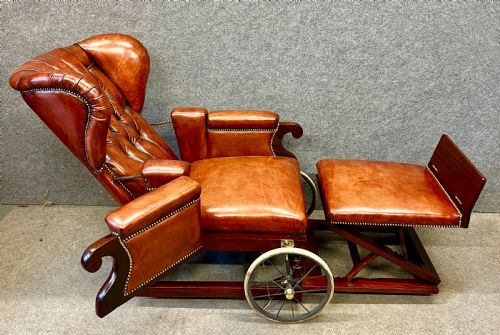


Antique Wheel Chair
An antique wheel chair brings timber-built movement and vernacular comfort into a room, offering functional historical design.
Antique Wheel Chair
Originating across Georgian, Victorian, and Edwardian periods, these pieces bridge domestic utility and medical innovation. The forms range from country kitchen seating with wheel cut-outs to complex mechanical invalid chairs designed for convalescence.
How They Were Made
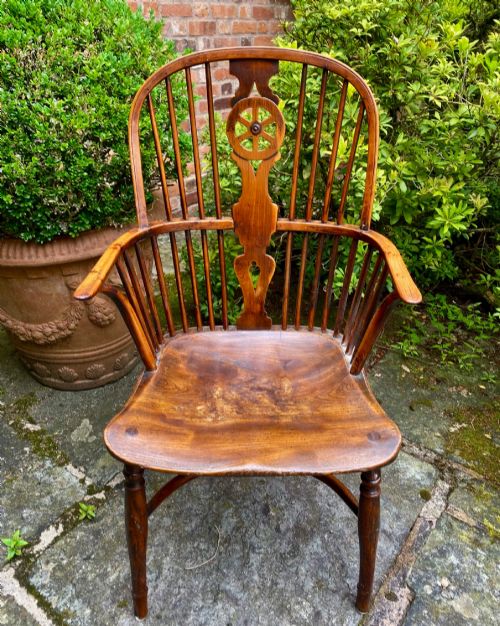
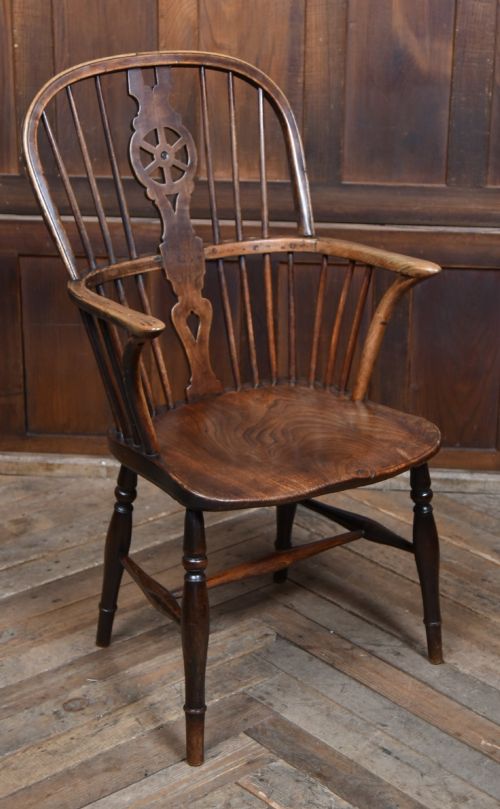
Maker construction relies heavily on solid native hardwoods such as elm, ash, beech, yew, and oak. Traditional Windsor techniques combine turned spindles and bentwood parts with carved wooden seats.
Metal components like iron and brass appear primarily in the castors, mechanical reclining mechanisms, and fittings of nineteenth-century invalid and office chairs. Timber selection dictates the grain pattern and structural resilience of the frame.
Antique Wheel Chair Retail Price Guide 2026
Typical asking prices for wheel chair among the pieces listed under this phrase on Sellingantiques today, from the lower quarter to the upper quarter. They describe what is for sale here now, not the wider market.
The listings combine nineteenth-century invalid carriages with traditional elm and ash Windsor wheel-back chairs from various English regions.
What Varies in Quality
Quality depends on the integrity of the timber selection and the retention of original mechanical components where applicable. Finer pieces demonstrate careful woodturning, harmonious wood matching in multi-timber Windsors, and robust castor mountings.
Wear differs between country kitchen seating intended for daily utility and specialised invalid or office chairs built for specific mechanical tasks. Original surface patination and minimal structural alteration elevate a piece.
S&H Jewell·Foot and Son·John Ward
The Antique Wheel Chair Glossary
- Wheel-back
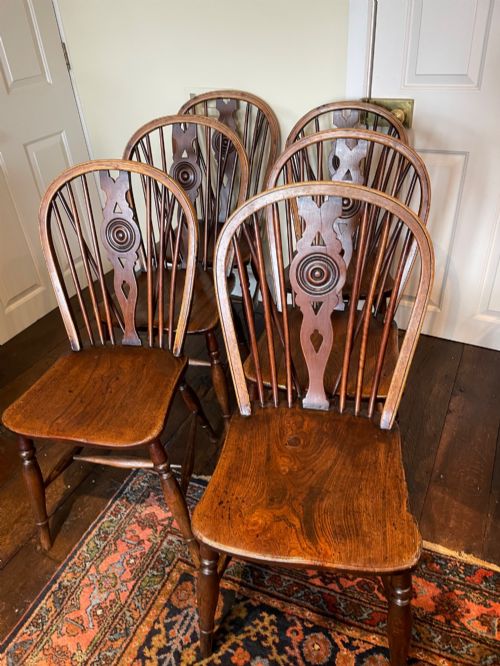
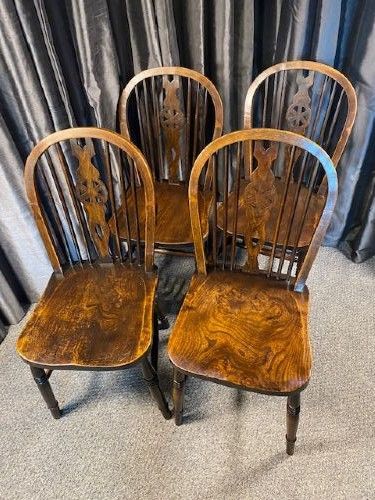
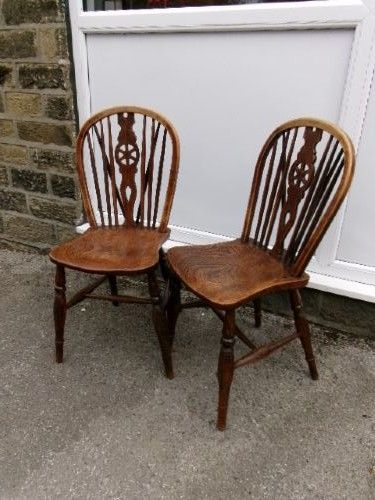
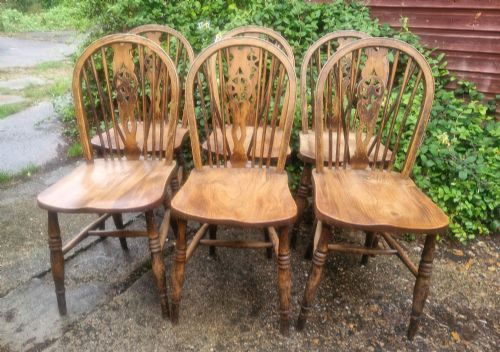
- A chair back featuring a central splat carved or pierced in the shape of a spoked wheel. This decorative motif is particularly common in nineteenth-century Windsor dining chairs.
- Windsor chair
- A wooden chair constructed with a solid saddle-sculpted seat into which the legs and back spindles are direct-inserted. They often incorporate bentwood hoops.
- Castor
- A small wheel mounted on a swivel assembly attached to the base of a chair leg. It allows the seating to be moved across the floor with ease.
- Convalescing chair
- An adjustable invalid chair designed to support sick or recovering individuals. These pieces frequently incorporate mechanical reclining actions.
Antique Wheel Chair: Frequently Asked Questions
What is an antique wheel chair?
An antique wheel chair encompasses historic rolling seating, ranging from standard wooden chairs fitted with castors to specialised Victorian invalid carriages.
These pieces combine traditional cabinetmaking with early mobility engineering, reflecting the domestic and medical needs of past centuries.
How do I date an antique wheel chair?
Dating relies on timber types, construction methods, and the style of the wheel-back or mechanical frame. Nineteenth-century examples often display distinct turning patterns and iron castor fixings.
Comparing the joinery against documented periods like the Georgian or Victorian eras helps establish an accurate timeframe.
Were wheel chairs used in the kitchen?
Most wheel chairs on this page are Windsor dining or kitchen chairs featuring a wheel-shaped splat in the back rather than mobility wheels. These decorative country pieces served around dining tables and hearths.
True rolling chairs for mobility were separate medical or office items rather than standard kitchen seating.
How do I care for wooden wheel chairs?
Maintain the timber by keeping the chair away from direct heat sources and sudden humidity changes to prevent wood splitting. Regular dusting and occasional application of appropriate wax preserve the antique finish.
Inspect the castor fixings periodically to ensure metal components remain secure within the wood.