


Antique Weapon Stick
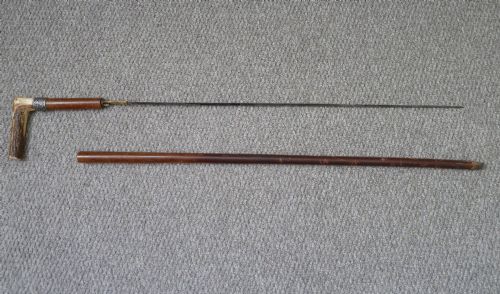
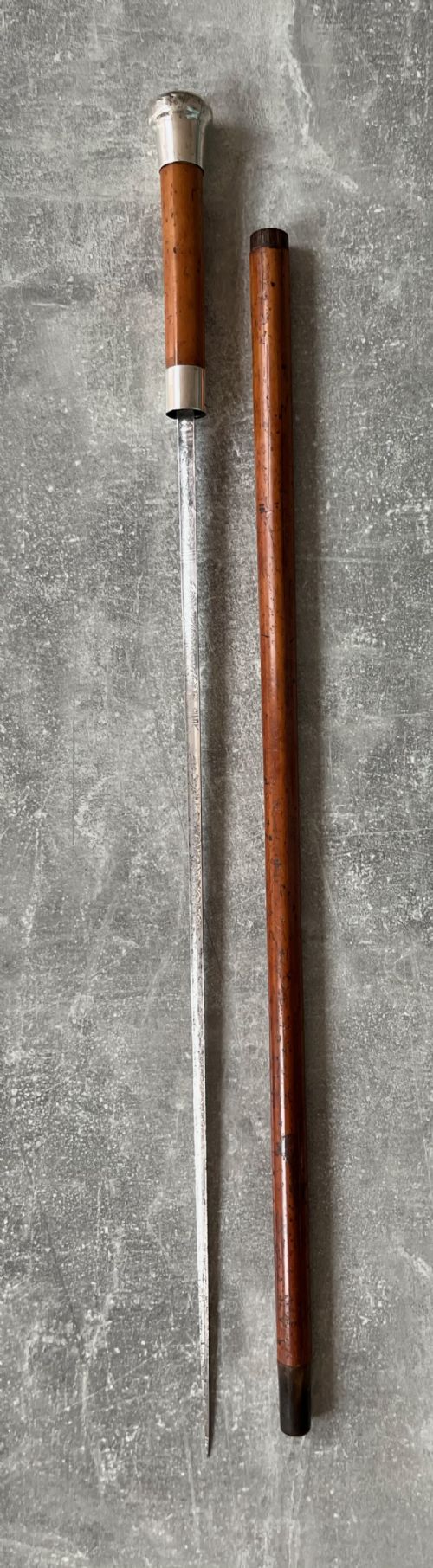
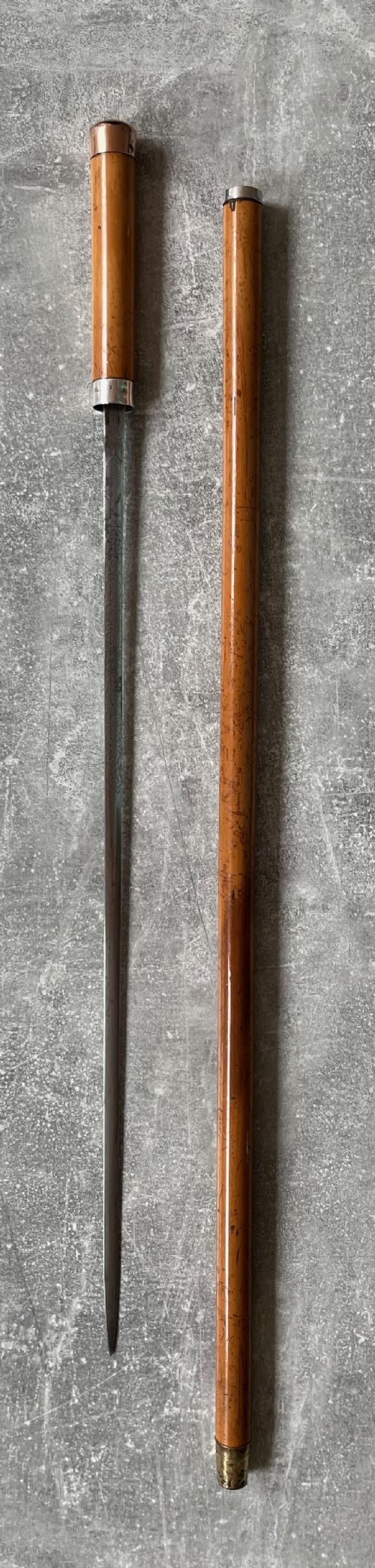
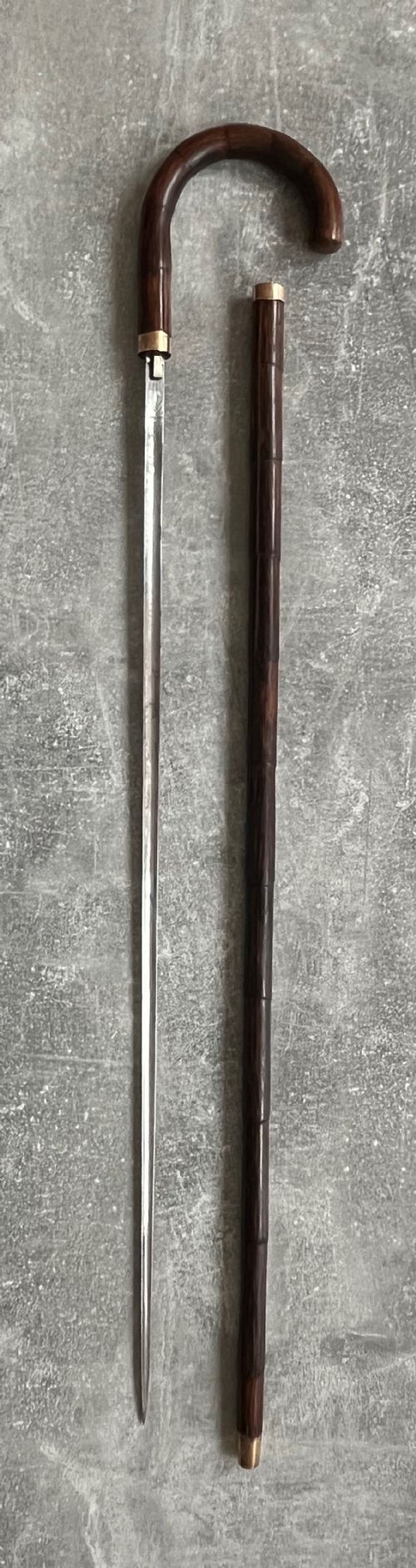
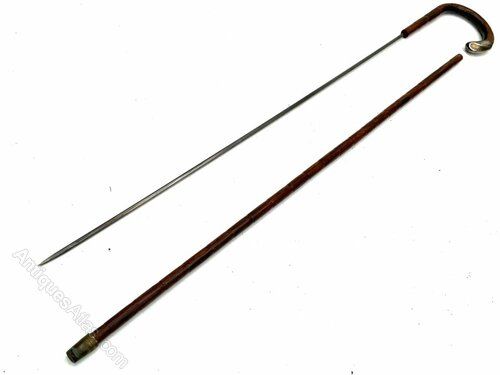
An antique weapon stick conceals a blade or doubles as a heavy club, designed for personal defence during the nineteenth and early twentieth centuries.
Antique Weapon Stick
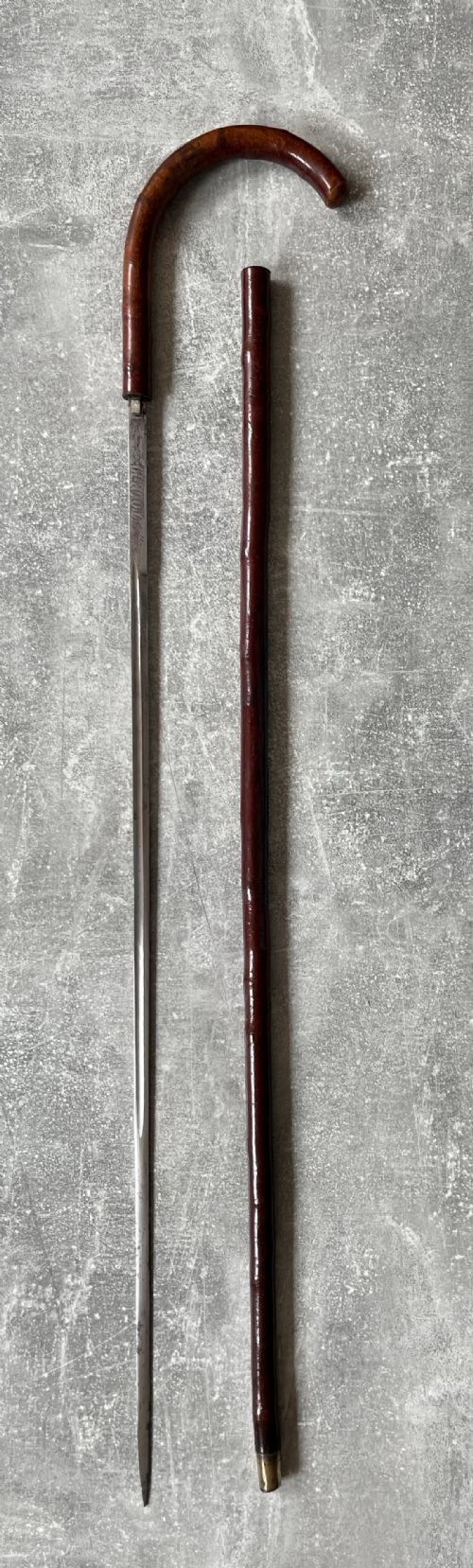
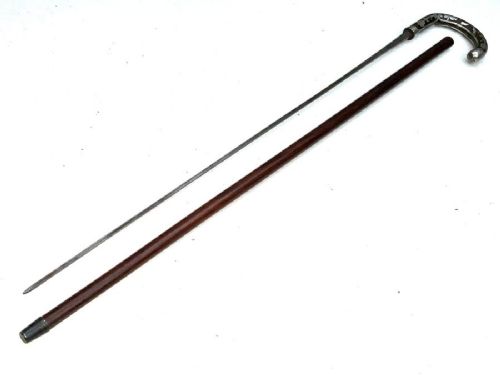
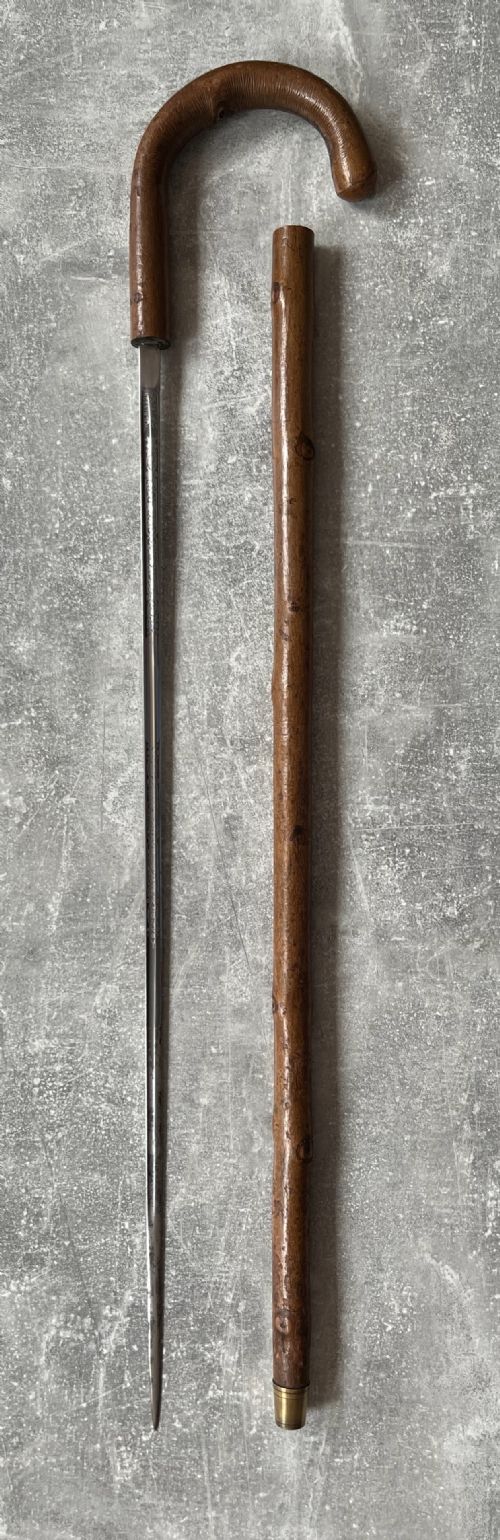
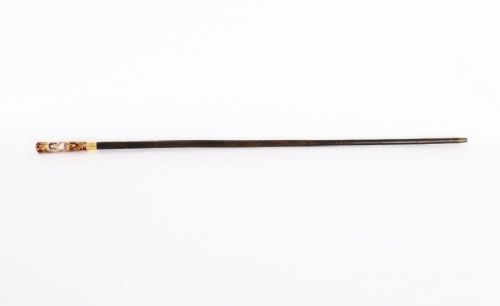
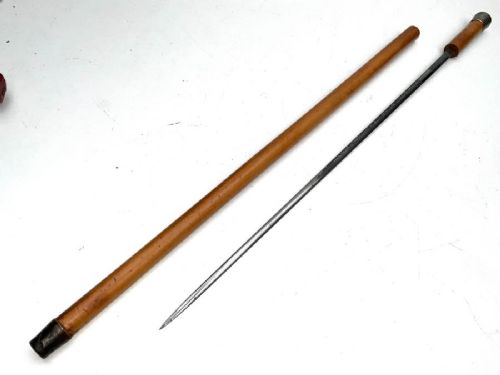
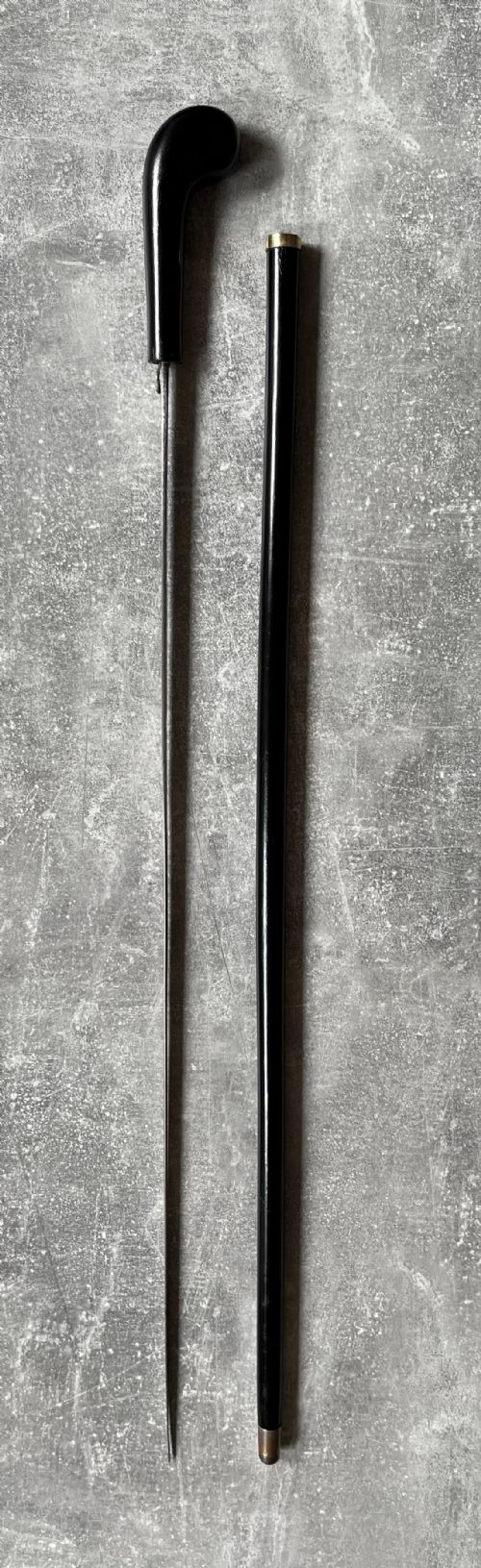
An antique weapon stick combines the outward appearance of an ordinary gentleman's walking cane with a concealed steel blade or functions directly as a traditional fighting club.
Most examples found here date from the Victorian and Edwardian periods, stretching from the late nineteenth century into the early decades of the twentieth century.
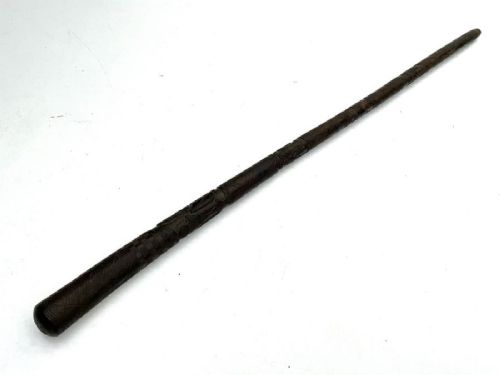
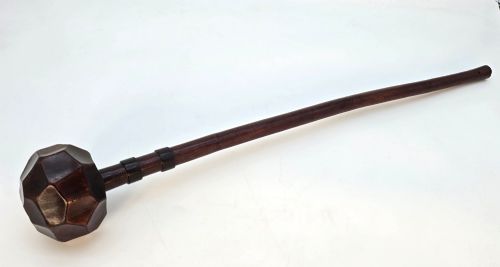
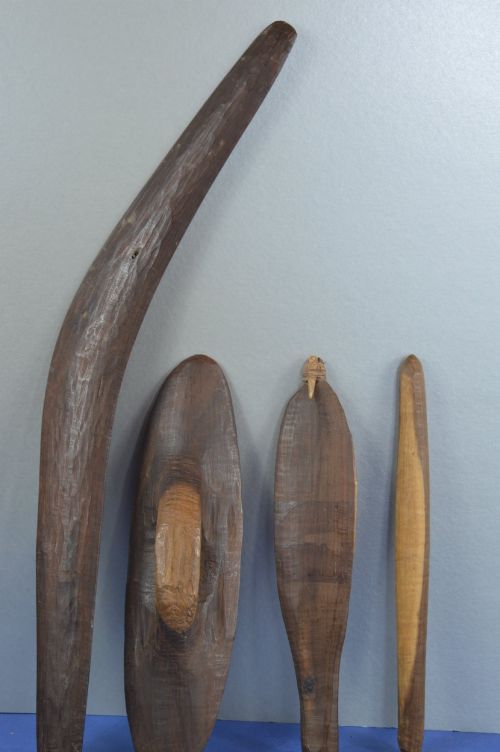
Alongside European sword sticks featuring button releases, the selection includes indigenous and tribal fighting implements such as Australian Aboriginal nulla-nullas, woomeras, Zulu knobkerries, and Oceanic island clubs.
How they were made
Canes and shafts utilise natural materials including malacca cane, bamboo, partridge wood, cherrywood, hazel, holly, rosewood, and ebonised hardwood, often fitted with horn, antler, or porcelain handles.
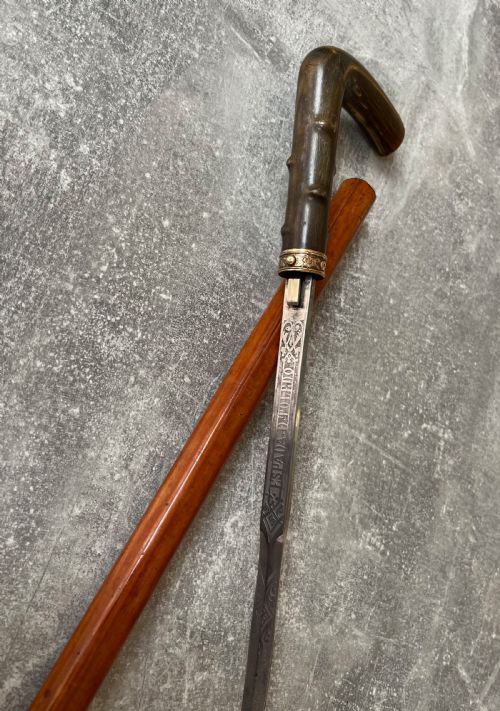
Concealed blades are forged from steel, frequently bearing origins from Toledo or makers like Wilkinson, paired with brass, silver, or gold-coloured collars and mounts.
Tribal clubs and hunting weapons are shaped from dense indigenous hardwoods, whilst specific European variations wrap the wooden haft in leather or snakeskin.
Materials span steel blades, silver and brass mounts, malacca cane, bamboo, horn, antler, and multiple dense indigenous hardwoods.
What varies in quality
The refinement of the concealed mechanism marks the difference between standard production pieces and superior examples, particularly the precision of the button release for the blade.
Materials dictate the calibre of the piece, moving from simple stained timber to mounted silver collars, hallmarked silver mounts, and named blades from renowned forge centres.
Artisanal execution in the handle carving, whether shaped from root wood, horn, or detailed metalwork, separates ordinary utility items from gentlemanly accessories.
Wilkinson·Brigg·Kashi Japanese Masters
The Antique Weapon Stick Glossary
- Sword stick
- A walking cane containing a concealed steel blade within the wooden or bamboo shaft. It relies on a friction fit or button release to secure the weapon.
- Knobkerrie
- A traditional Southern African wooden club featuring a heavy round knob at the end. It serves as both a walking tool and a throwing weapon.
- Nulla-nulla
- An Australian Aboriginal hardwood fighting stick or throwing club used for hunting and close combat. They display carved surface textures specific to their region of origin.
- Malacca cane
- A durable, highly prized stem from the rattan palm characterised by distinct rings or nodes. It forms the flexible yet sturdy shaft of many nineteenth-century walking sticks.
- Woomera
- An Australian Aboriginal spear-thrower that doubles as a multipurpose tool. It provides leverage to increase the velocity and distance of a thrown spear.
Antique Weapon Stick: Frequently Asked Questions
How do you open a sword stick?
Most sword sticks utilise a simple button release mechanism set into the collar or handle. Pressing this internal catch disengages the retaining lock, allowing the blade to slide smoothly out of the wooden shaft.
Simpler versions rely on a firm friction fit without a mechanical button. Pulling the handle straight separates the blade from the scabbard body.
What woods were used for walking sticks?
Cane makers selected dense, resilient timbers capable of housing a steel blade without warping over time. Malacca cane, rosewood, ebonised hardwood, cherrywood, hazel, and holly appear frequently across nineteenth-century examples.
Exotic and domestic varieties alike were chosen for their grain pattern and weight. Root wood sections and chestnut ball handles were also utilised for distinctive grips.
Are tribal clubs considered weapon sticks?
Tribal implements such as Zulu knobkerries and Australian Aboriginal nulla-nullas function directly as striking or throwing weapons rather than concealing blades. They share the category as historic handheld implements intended for defence and hunting.
These pieces are shaped entirely from solid native hardwoods without inner mechanisms. Their construction reflects the traditional craftsmanship of their respective indigenous cultures.
How can you date a sword stick?
Dating relies on stylistic clues, mounting materials, and blade signatures. Silver hallmarks on collars provide exact assay office years, whilst maker stamps point to specific manufacturing decades.
Handle materials and exterior coverings also indicate the period. Faux bamboo and snakeskin wraps point towards specific late Victorian design fashions.