

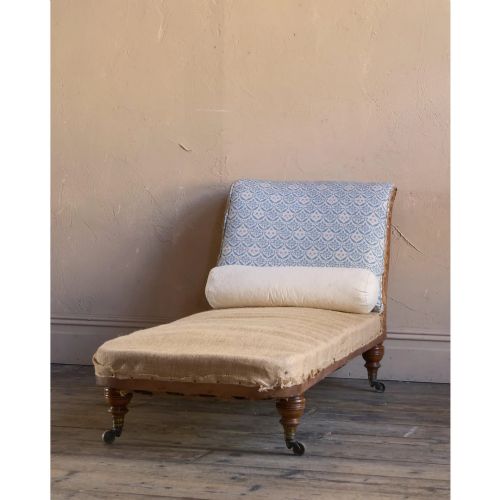
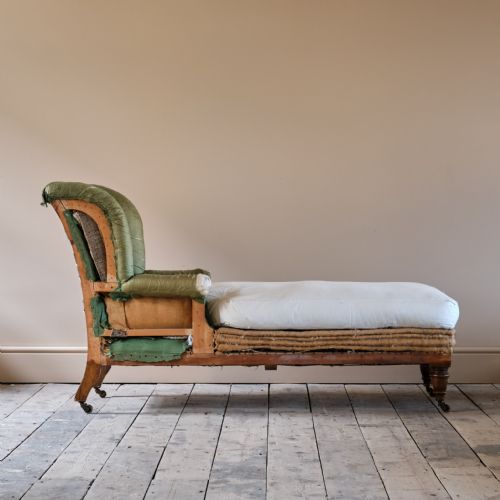


Antique Walnut Chaise
An antique walnut chaise brings sculptural elegance and deep comfort to a room, offering a reclining seat shaped by the nineteenth century.
Antique Walnut Chaise
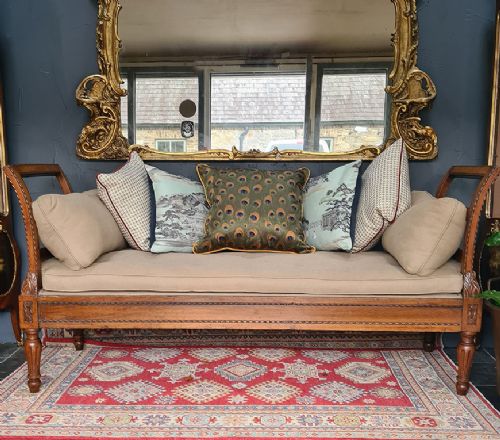
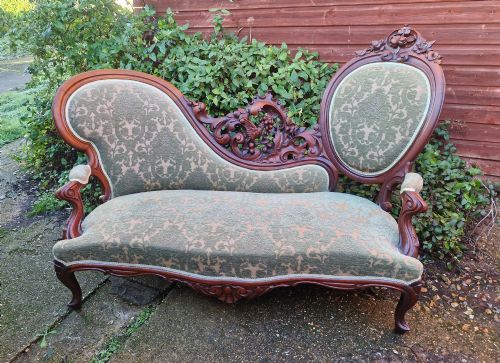
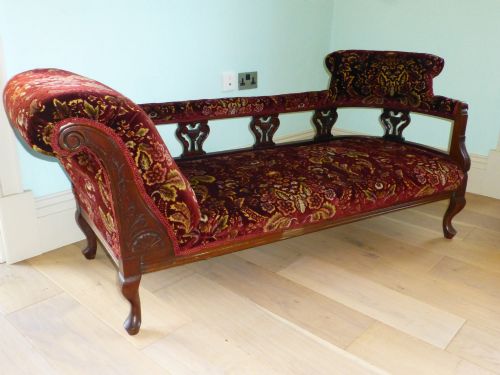
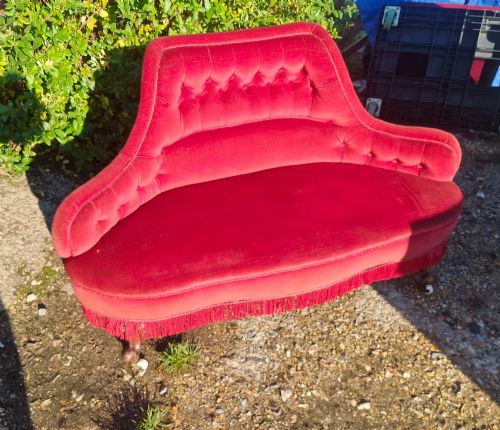
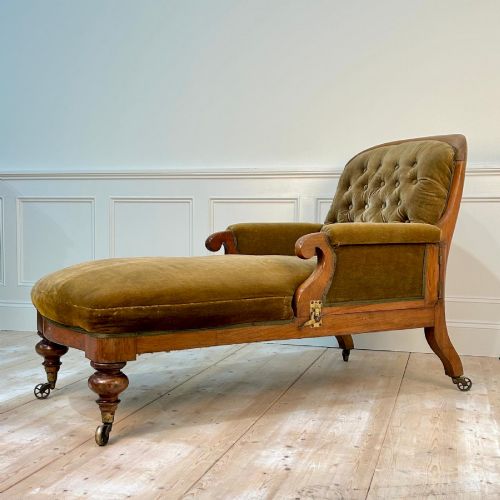
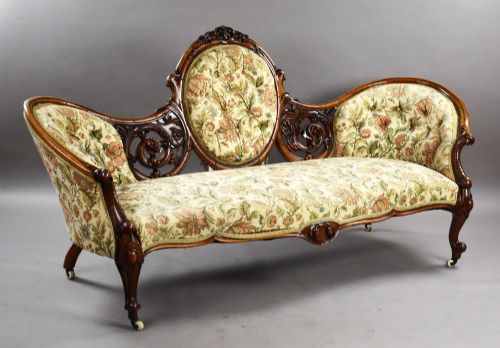
An antique walnut chaise combines rich timber frames with upholstered reclining surfaces, taking forms such as daybeds, salon suites, and double end settees. These pieces trace their origins mainly through the nineteenth century, encompassing Victorian and Regency periods alongside Edwardian and French Louis XV styles.
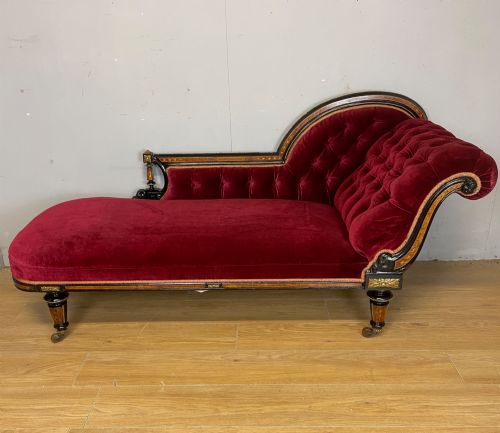
Buyers meet variations ranging from carved Victorian walnut frames to ebonized pieces with inlaid walnut panels and ormolu decoration. Makers such as Howard and Sons also appear among the selections, alongside country house daybeds and window seats.
How they were made
Cabinetmakers shaped solid walnut and mahogany into curved frames, frequently utilising carved detailing and decorative ormolu mounts. Ebonizing techniques were also applied to timber surfaces to create striking visual contrast with inlaid walnut panels.
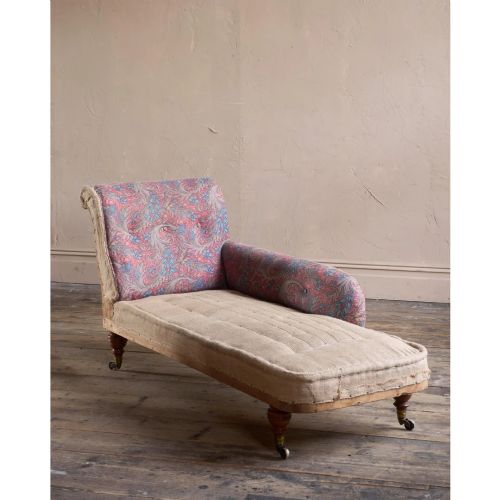
Internal construction relied on traditional webbing, hessian, and sprung stuffing to support the upholstered layers. Finished pieces were then covered in textiles, velvet, or fabric, secured with careful hand-tackwork along the wooden borders.
Antique Walnut Chaise Retail Price Guide 2026
Typical asking prices for walnut chaise among the pieces listed under this phrase on Sellingantiques today, from the lower quarter to the upper quarter. They describe what is for sale here now, not the wider market.
What varies in quality
The sophistication of the timber carving and the crispness of any applied ormolu or inlay set distinguished standard workshop production from exceptional cabinet work. Walnut grain selection and the preservation of original wooden patination play a significant role in overall character.
Upholstery execution, from the firmness of the internal spring construction to the quality of the textile finish, defines the structural integrity of the piece. Attribution to notable makers like Howard and Sons elevates the historical standing of a chaise.
Howard and Sons
The Antique Walnut Chaise Glossary
- Ormolu
- Gilt-bronze mounts applied to furniture for decorative contrast. This technique was frequently utilised on nineteenth-century pieces.
- Ebonized
- Wood treated to imitate ebony, giving a deep black finish. It often highlights contrasting walnut inlays.
- Daybed
- A long seat designed for reclining, functioning as a sofa or bed. These forms appear across Regency and Victorian periods.
- Double end settee
- A seating form with raised headrests at both extremities. Such designs encourage lounging from either direction.
- Conversation seat
- An upholstered seating form designed for two people to sit facing opposite directions. These pieces feature shaped walnut frames.
Antique Walnut Chaise: Frequently Asked Questions
Where should I place a chaise longue?
A chaise longue fits naturally in a large bedroom, a drawing room, or a spacious hallway where its asymmetric profile can be appreciated from multiple angles. It serves as both a sculptural focal point and a comfortable place for daytime reading.
Ensure there is enough clear floor space around the piece so the curved headrest and timber frame are not crowded by other furniture.
How do I identify a Victorian chaise?
Victorian examples typically feature deep wood carving in walnut, sometimes with spoon-back contours or button-tufted upholstery. The frames often display robust nineteenth-century proportions and rich timber patination.
Look for stylistic clues such as cabriole legs or scrolled timber ends that indicate mid-to-late nineteenth-century cabinetmaking traditions.
Are these daybeds comfortable for daily use?
Most antique chaises offer firm, supportive reclining surfaces built with traditional horsehair or spring stuffing. Many surviving pieces have been freshly upholstered to provide modern comfort while retaining their historic frames.
Consider adding supportive cushions if you intend to use the daybed for extended periods of relaxation.