



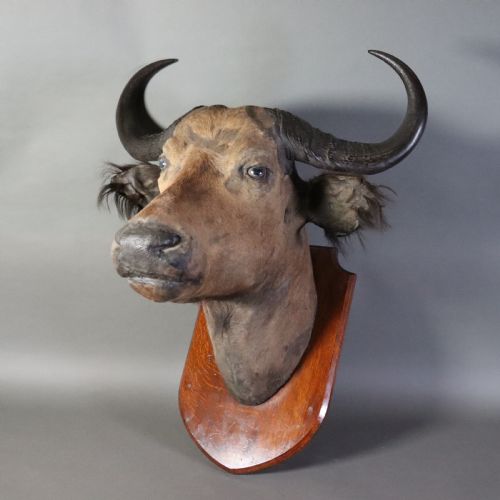

Antique Wall Trophy
An antique wall trophy brings the weight of the nineteenth and early twentieth centuries directly into a room through preserved nature and carved wood.
Antique Wall Trophy
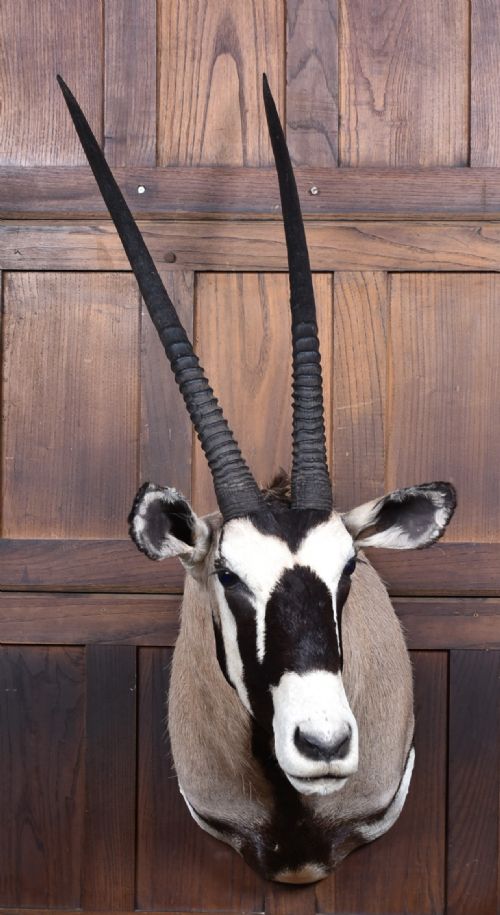
An antique wall trophy represents a distinct intersection of Victorian and Edwardian sporting culture, taxidermy, and interior decoration. When searching for an antique wall trophy, buyers encounter preserved animal heads, horns, and carved wooden plaques designed to hang directly on domestic walls.
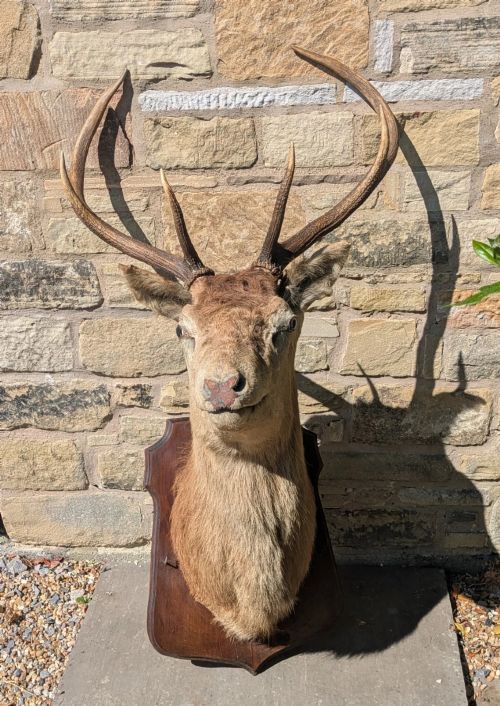
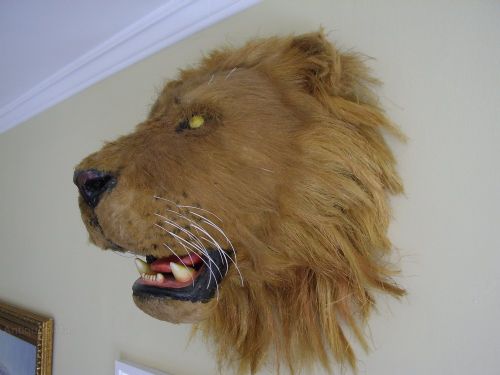
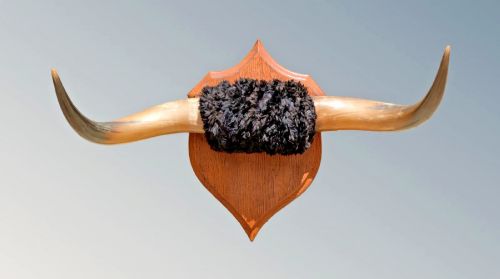
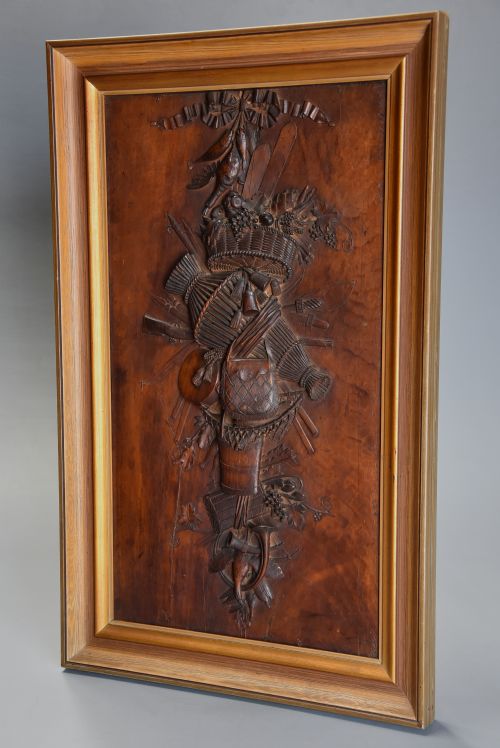
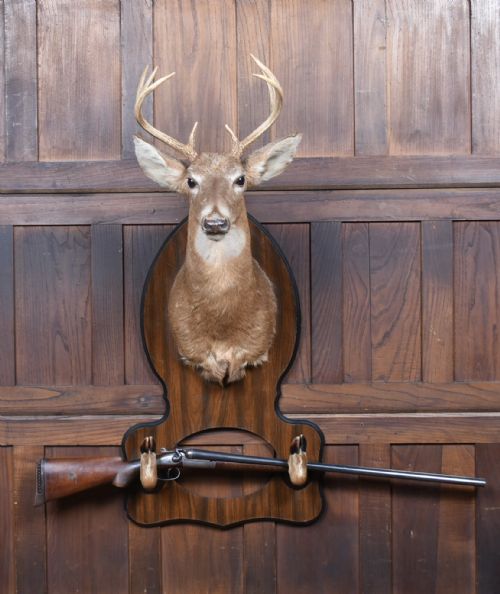
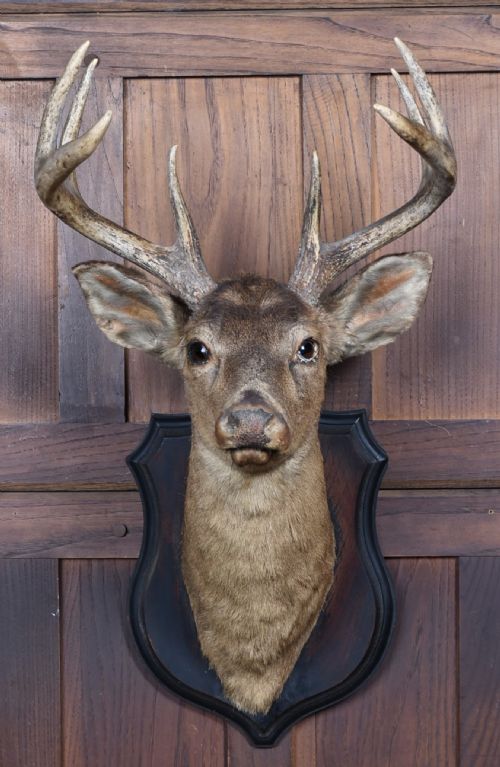
The pieces on this page span the nineteenth and twentieth centuries, originating from British sporting traditions, continental workshops, and folk art traditions. Common forms include stags' heads, antelope horns mounted on shields, and detailed carved wooden panels representing foxes and dogs.
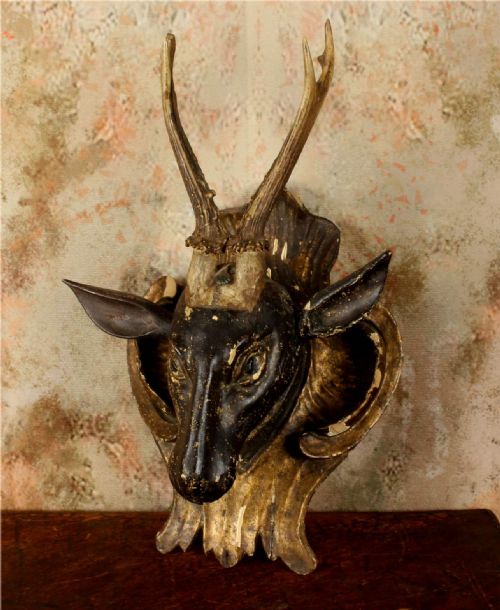
Buyers will find both natural taxidermy mounts and hand-carved wooden interpretations, particularly from the Black Forest style. These items reflect a historical appetite for bringing rural and wilderness motifs into domestic interiors.
Materials and construction methods
The construction of an antique wall trophy relies heavily on natural materials combined with carpentry and taxidermy techniques. Taxidermy mounts utilise real hides, horns, bones, and glass eyes, carefully treated and stretched over sculpted forms to retain lifelike postures.
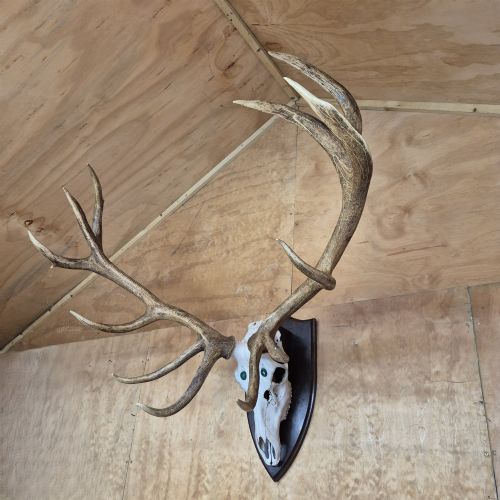
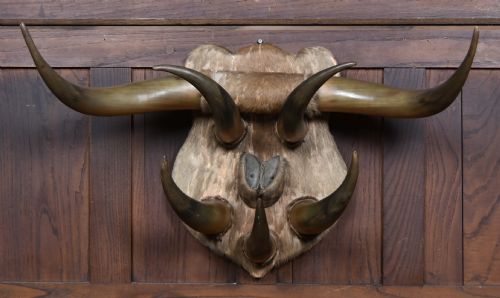
Wooden elements are equally prominent, featuring oak shields, fruitwood carvings, and timber panels that serve as backings or standalone sculptures. Oak shields frequently support steer horns, stags' antlers, and roebuck heads, secured with metal brackets and screws.
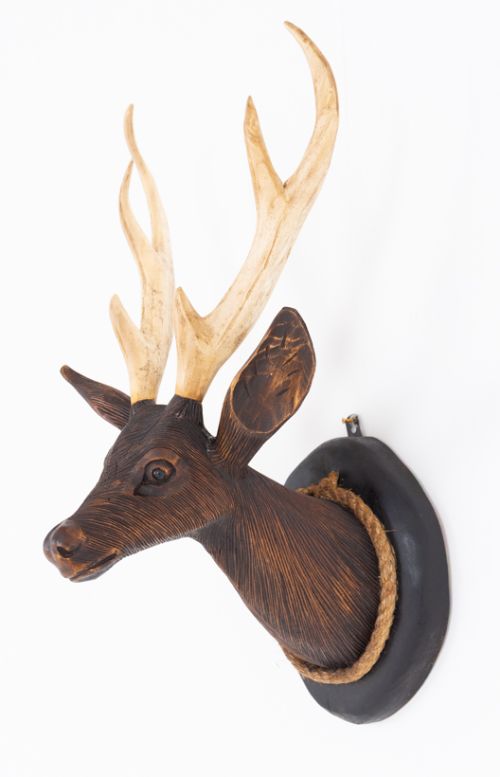
Carved wooden trophies, particularly those associated with the Black Forest style, display intricate hand-chiselling in soft and hard timbers. Artisans shaped these pieces to depict animals such as foxes, dogs, and deer with realistic textures and expressions.
Antique Wall Trophy Retail Price Guide 2026
Typical asking prices for wall trophy among the pieces listed under this phrase on Sellingantiques today, from the lower quarter to the upper quarter. They describe what is for sale here now, not the wider market.
Listings feature items spanning the nineteenth and twentieth centuries, utilising materials such as taxidermy hide, horn, bone, oak, and fruitwood.
Factors determining quality
Quality in an antique wall trophy rests largely on the skill of the taxidermist or wood carver and the natural symmetry of the specimen. Master taxidermists achieved anatomical accuracy and enduring preservation, capturing the alert expression of a fox mask or the noble posture of a stag.
The execution of the woodwork dictates the distinction between standard production items and exhibition pieces. Finely carved fruitwood trophies and detailed oak shields demonstrate superior hand craftsmanship through depth, proportion, and crisp relief work.
The provenance and documentation associated with a piece also influence its standing. Work originating from known workshops or bearing clear period dates carries greater distinction among collectors of historical taxidermy and folk art.
Peter Spicer and Sons·Edward Gerrard and Sons
The Antique Wall Trophy Glossary
- Taxidermy
- The art of preparing, stuffing, and mounting the skins of animals for display. This technique preserves the biological form for study or decoration.
- Black Forest style
- A distinctive genre of wood carving originating from central Europe during the nineteenth century. These items typically depict animals, foliage, and rustic hunting scenes in rich dark timber.
- Shield
- A wooden backing board, frequently shaped like a heraldic shield, used to mount antlers, horns, or animal heads to the wall.
- Mask
- In taxidermy terminology, a mask refers to the head and neck mount of a smaller animal, such as a fox or otter.
- Folk art
- Utilitarian or decorative objects created by self-taught or traditional artisans using local materials. These pieces often display regional character rather than strict academic adherence to period styles.
Antique Wall Trophy: Frequently Asked Questions
How were antique wall trophies originally displayed?
These pieces were typically hung in country houses, hunting lodges, and libraries to celebrate rural pursuits and natural history. They occupied prominent wall spaces above mantelpieces or along hallways.
Over time, interior fashions shifted, but the manner of hanging them securely using robust wall brackets and wooden shields remained consistent with their original purpose.
What is the difference between taxidermy and carved wooden trophies?
Taxidermy trophies utilise the actual preserved skin, horns, and antlers of animals mounted over a manufactured form. They aim for natural realism using organic materials.
Carved wooden trophies are entirely sculptural objects fashioned by hand from timber, such as fruitwood or oak, interpreting animal forms through the medium of woodworking.
How can I identify a Black Forest wall trophy?
Black Forest pieces are characterised by deep, naturalistic wood carvings, often featuring oak leaves, acorns, stags, and hunting dogs. They are typically rendered in dark-stained timbers like walnut or Linden.
These items reflect a distinct nineteenth-century continental aesthetic that prioritised rustic charm and intricate detail over formal classical symmetry.
How do I care for an antique taxidermy trophy?
Preserved animal mounts require stable environmental conditions away from direct sunlight and excessive humidity to protect the fur, hide, and taxidermy materials. Gentle dusting with a soft brush helps maintain the surface.
Avoiding fluctuations in temperature prevents the drying and cracking of old leather, hide, and wooden backing shields.