


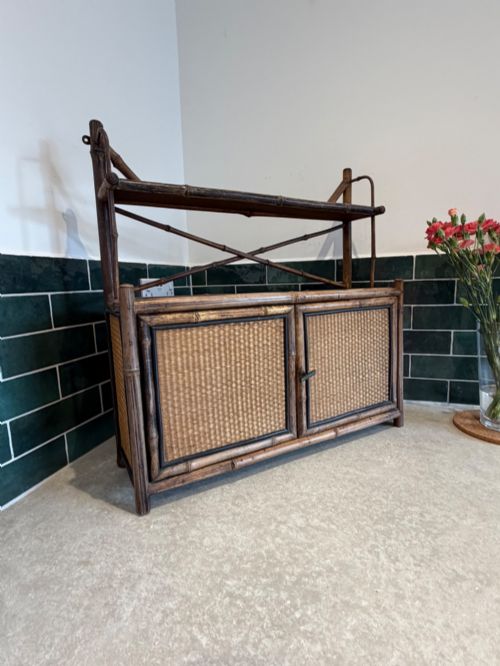
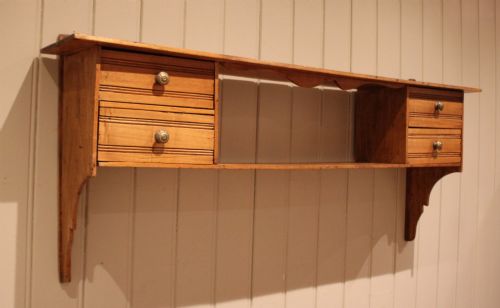

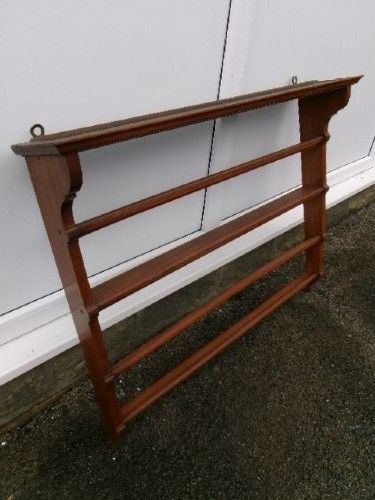

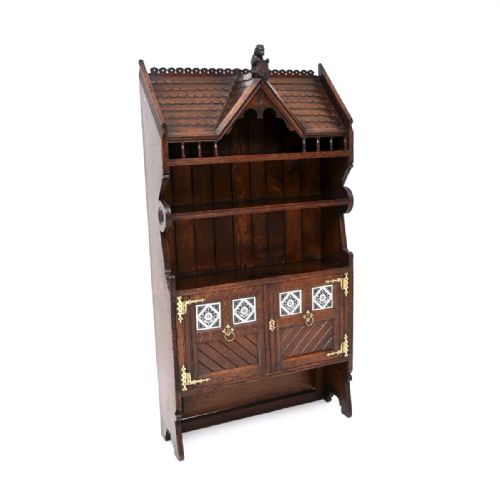

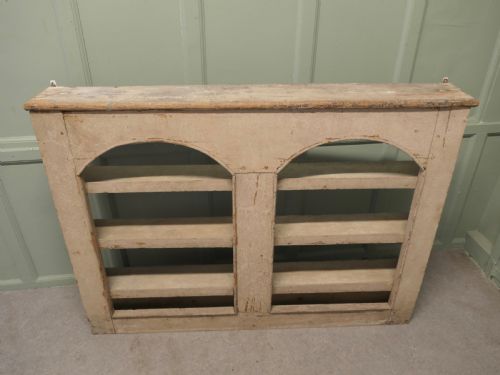
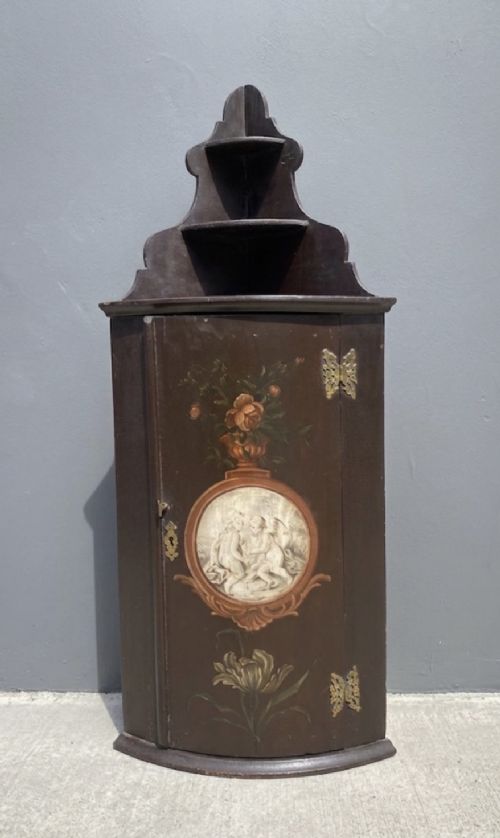
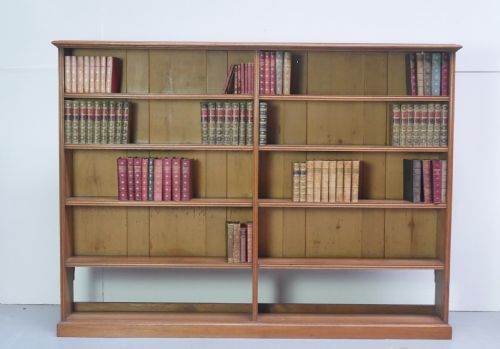
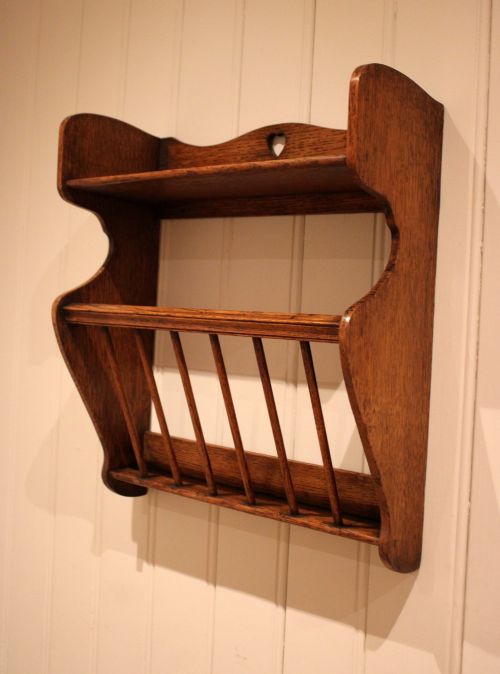
Antique Wall Shelf Unit
An antique wall shelf unit organises books and displays porcelain while bringing practical timber architecture to plain walls.
Antique Wall Shelf Unit
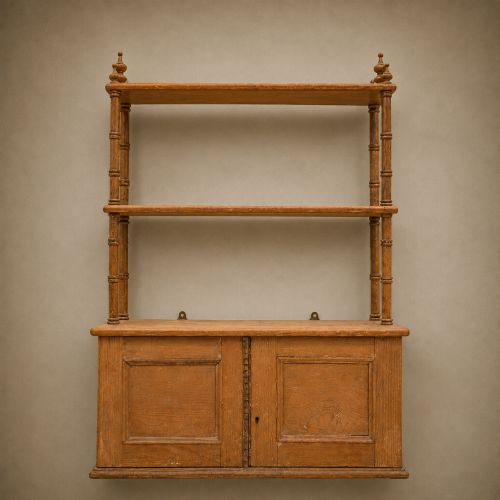
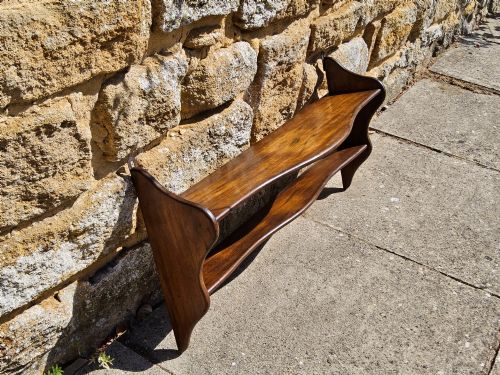
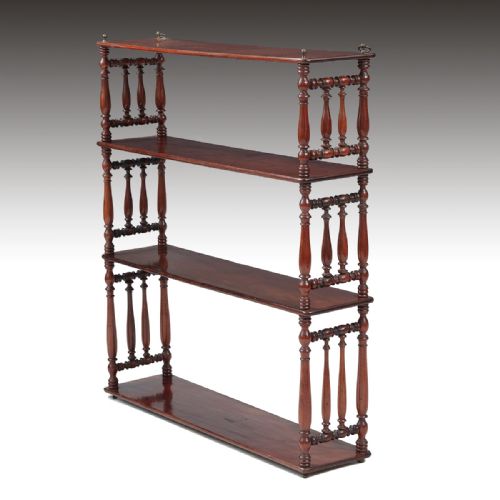
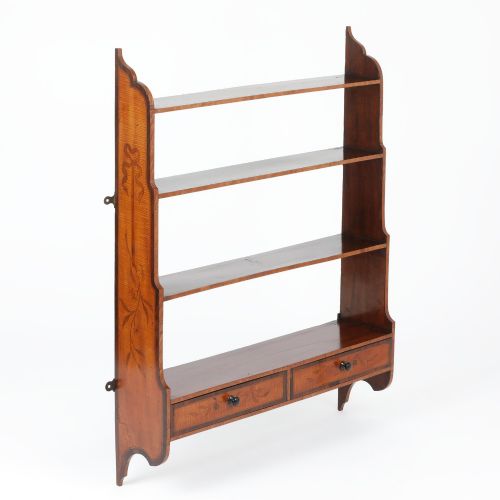
An antique wall shelf unit provides vertical storage through hanging bookcases, plate racks, corner brackets, and open displays mounted directly to masonry or timber partitions. These pieces range from compact Georgian mahogany tiers to substantial Victorian walnut cabinets and rustic eighteenth-century pine cupboards.
Buyers frequently encounter nineteenth-century pine and mahogany iterations designed for domestic utility in kitchens, libraries, and parlours. Specialised regional variants like French provincial alcove units and Arts and Crafts oak shelves also appear across the selection.
The primary function centres on utilitarian display and space-saving organisation, utilising domestic wall space for books, ceramics, and decorative objects without encroaching on floor area.
Craftsmanship and Proportion
Superior examples demonstrate thoughtful architectural proportion, refined moulding details, and the use of dense, highly figured timbers like mahogany or walnut rather than utility-grade softwoods. The integrity of the original hanging mechanism and backboards dictates the structural longevity of the piece.
Finishing techniques separate standard workshop production from finer decorative output, particularly where hand-carved elements, fine inlay, or early painted surfaces remain intact and undisturbed by modern intervention.
Antique Wall Shelf Unit Retail Price Guide 2026
Typical asking prices for wall shelf unit among the pieces listed under this phrase on Sellingantiques today, from the lower quarter to the upper quarter. They describe what is for sale here now, not the wider market.
The inventory spans eight distinct eras from the 18th Century through to 1930, utilising eight primary materials including brass, glass, and painted wood.
The Antique Wall Shelf Unit Glossary
- Hanging shelves
- Wall-mounted tiers designed to suspend securely from picture rails or wall anchors without floor support. They typically feature graduated shelf depths for books or display items.
- Plate rack
- A specialised wall unit incorporating grooved wooden bases and protective rails to display plates upright. These pieces originate primarily in eighteenth and nineteenth-century kitchens.
- Corner shelves
- Triangular units engineered to fit tight domestic corners, maximising awkward architectural spaces. They appear frequently in inlaid olive wood, mahogany, or painted pine.
- Pigeon holes
- Compartmentalized open shelving units designed for sorting correspondence, documents, or small objects. They are common in commercial and domestic settings from the nineteenth and twentieth centuries.
- Alcove shelving
- Fitted or semi-portable units constructed to occupy chimney breast recesses. These combine low cupboards with open shelving above.
Antique Wall Shelf Unit: Frequently Asked Questions
How do I hang a heavy antique shelf safely?
Heavy timber units require direct fixing into masonry walls using appropriate rawlplugs and steel screws, or securing directly into wooden wall studs. Avoid relying solely on old brass hanging loops if the timber weight exceeds their original load capacity.
Distribute weight evenly across the tiers, placing heavier folios or ceramics on the lowest shelf to maintain a low centre of gravity.
Are these shelves deep enough for modern books?
Many older wall shelves and hanging bookcases were built for narrower historical book formats or decorative display rather than modern oversized hardbacks. Check the depth measurements of individual tiers carefully before planning a library arrangement.
Smaller compartments work exceptionally well for paperbacks, small decorative objects, and kitchen spices.
How do I identify a Georgian shelf from a Victorian one?
Georgian pieces often display restrained classical proportions, premium mahogany construction, and subtle cockbeading around drawers. Victorian examples tend to be heavier in build, utilising walnut, oak, or pitch pine with more assertive carved or turned ornamentation.
Examine the secondary woods used for internal elements like backboards, as these often reveal regional working practices characteristic of specific centuries.