


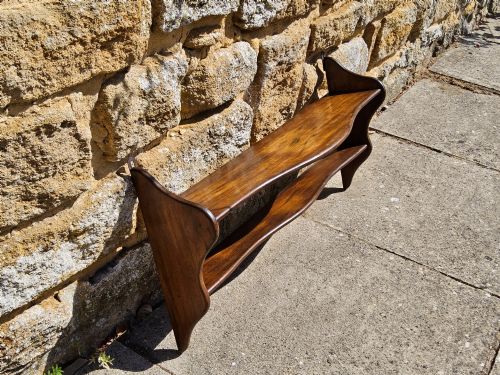
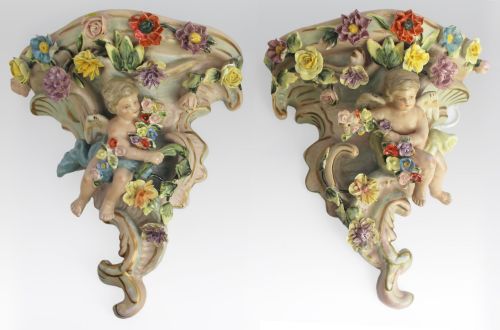
Antique Wall Display Shelf
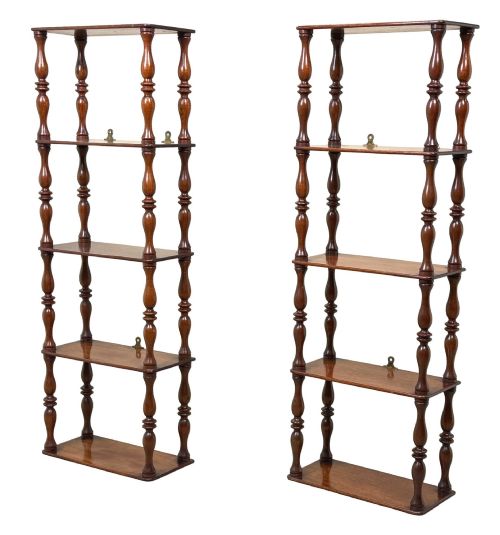
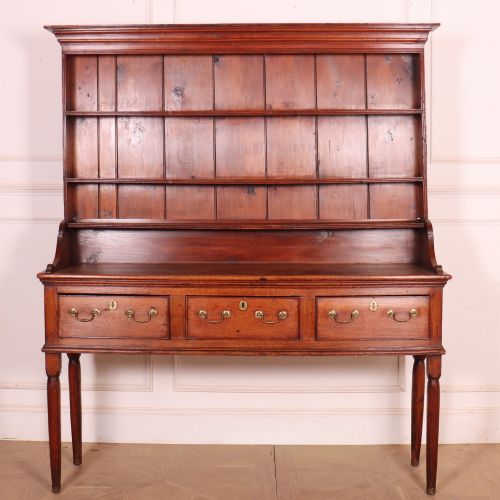
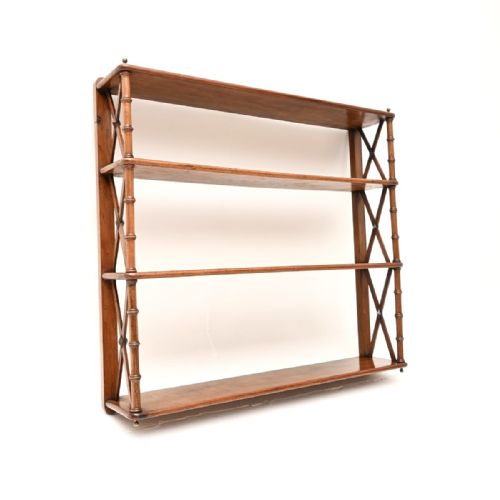
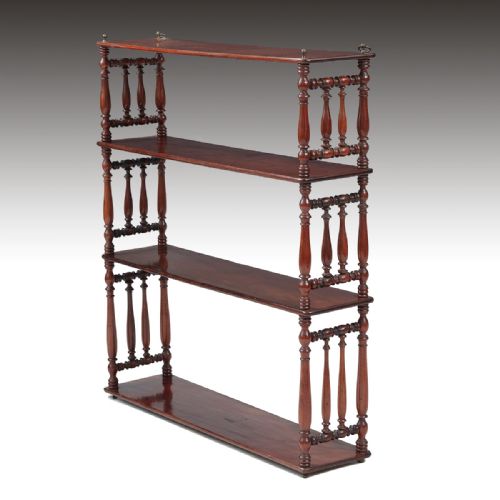
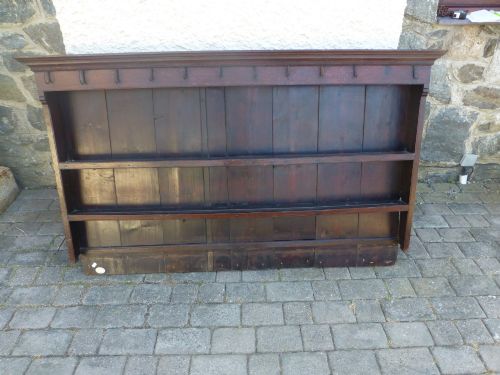
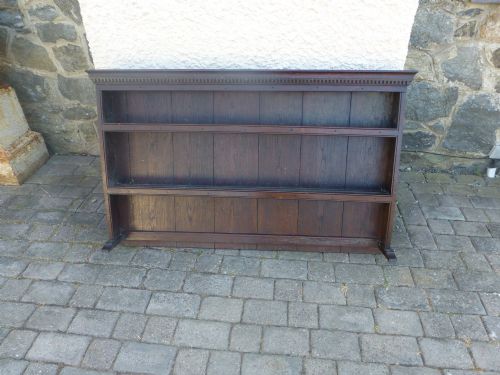
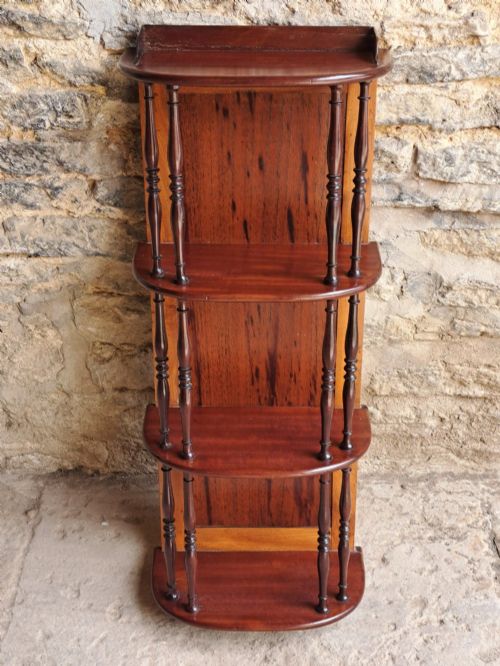
These antique wall display shelf pieces range from Georgian oak plate racks to Victorian mahogany hanging bookcases, designed to display prized possessions.
Antique Wall Display Shelf
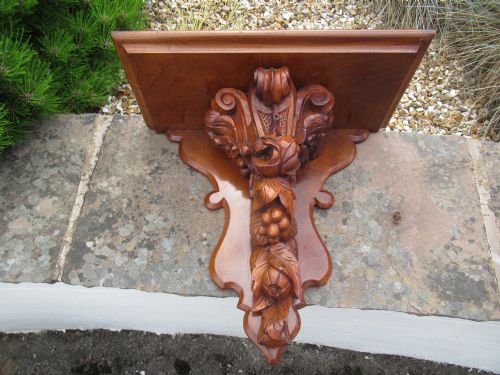
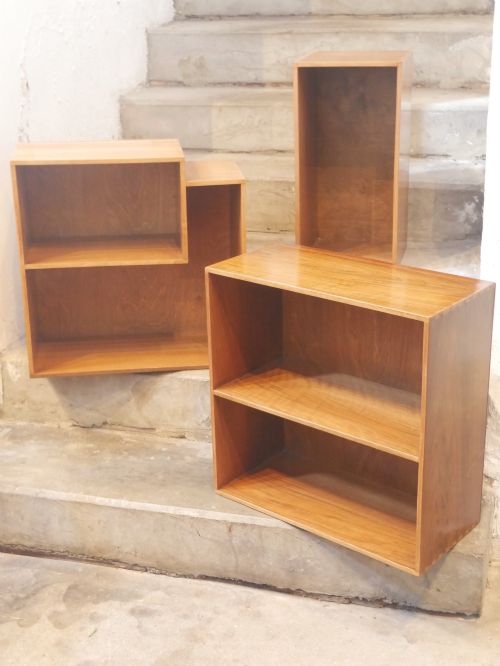
An antique wall display shelf serves to exhibit ceramics, books and ornaments while saving floor space in domestic rooms. The selection on this page encompasses varied forms such as hanging shelves, wall brackets, plate racks, corner cabinets and bookcases.
Most pieces date from the eighteenth and nineteenth centuries, spanning Georgian, Victorian and Edwardian eras. Mahogany and oak dominate the domestic forms, whilst walnut and gilded woods appear in more formal decorative wall fittings.
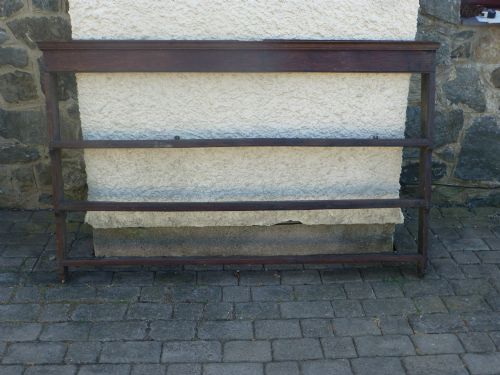
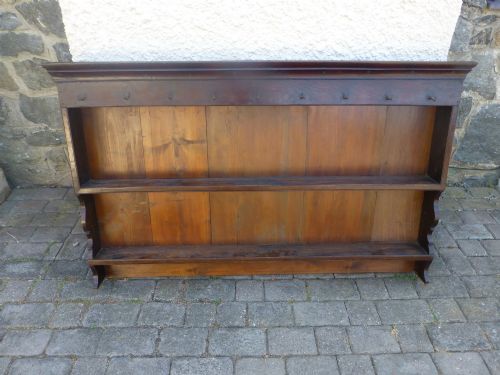
The objects vary from utilitarian pine and oak plate racks for delftware to architectural mahogany bookcases and ornate carved brackets. Simpler hanging shelves sit alongside complex arrangements featuring mirrors and cupboards.
How they were made
Cabinetmakers utilised solid timbers including mahogany, walnut, oak, satin birch and pine, frequently shaping them with hand tools. Joinery methods relied on dovetailed joints and pegged construction for structural integrity in hanging weights.
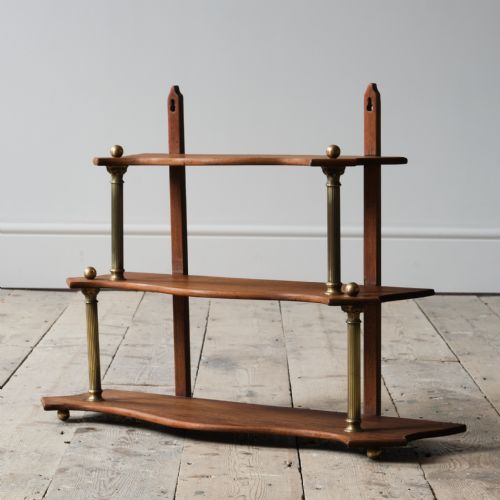
Decorative surface treatments incorporate hand carving in wood, gesso mouldings, giltwood finishes and hand-painted details. Brass fixtures appear on specific pieces for hanging supports or structural accents.
Inlaid veneers utilise olive wood in certain regional examples, while ebonised finishes and gilt mirrors reflect specific nineteenth-century aesthetic movements.
The object forms include plate racks, corner cabinets, hanging shelves, open bookcases and overmantle mirror combinations.
What varies in quality
The standard of a piece rests upon the choice of timber and the precision of its construction. Dense, figured mahogany and well-grained quarter-sawn oak distinguish superior examples from plain utilitarian pine.
Carved ornament exhibits varying degrees of crispness and depth. Hand-carved wooden cherubs and crisp gesso mouldings demonstrate superior craftsmanship compared to simpler moulded details.
Proportion and architectural balance dictate visual success. Pieces with well-judged tiered shelves and integrated mirror plates show greater design ambition than basic functional boards.
George Edmund Street·John Moyr Smith
The Antique Wall Display Shelf Glossary
- Plate rack
- A wall-mounted rack featuring wooden slats or grooves designed specifically to display ceramic plates upright. They originate primarily from eighteenth-century vernacular domestic kitchens and dining rooms.
- Wall bracket
- A projecting architectural support attached to a wall to hold an ornament, clock or bust. They often feature carved wood, gesso or gilt finishes in revival styles.
- Hanging shelves
- Open wooden shelving units fitted with brackets or loops intended for wall suspension. They provide accessible display space for books and small objects.
- Whatnot
- A piece of furniture consisting of multiple open shelves for displaying curiosities. Wall-mounted variants combine this tiered display format with hanging brackets.
- Delft
- Tin-glazed earthenware popular in the eighteenth century. Racks built to hold these items were standard domestic fixtures.
Antique Wall Display Shelf: Frequently Asked Questions
How were antique wall shelves used originally?
These shelves held books, ceramics and decorative ornaments in domestic reception rooms and parlours. Plate racks served specifically in kitchens and dining spaces for displaying earthenware.
Heavier bookcases and cabinets housed libraries or treasured collections off the floor. Smaller brackets supported single decorative items like clocks or porcelain figures.
What woods were used for these shelves?
Cabinetmakers employed native and imported hardwoods including mahogany, oak, walnut and satin birch. Pine served for simpler vernacular pieces and internal framing.
More decorative items utilised exotic woods like olive wood for inlay, alongside giltwood and gesso for gilded display frames.
How do I date an antique wall shelf?
Dating relies on timber selection, construction methods and stylistic revival periods. Georgian pieces often feature oak or dense mahogany with vernacular pegged joinery.
Victorian and Edwardian examples incorporate machine-sawn elements, varied revival styles such as Gothic or Baroque, and specific hardware types like brass fixings.
How do I hang a heavy antique shelf safely?
Secure mounting requires locating wall studs or using appropriate masonry fixings matched to the weight of the timber. Professional installation is advisable for large mahogany bookcases and mirrored cabinets.
Check existing hanging loops and brackets on the back of the piece to ensure structural soundness before suspending it.