


Antique Wall Art Silhouette
An antique wall art silhouette captures the quiet elegance of shadow portraiture and early graphic design.
Antique Wall Art Silhouette
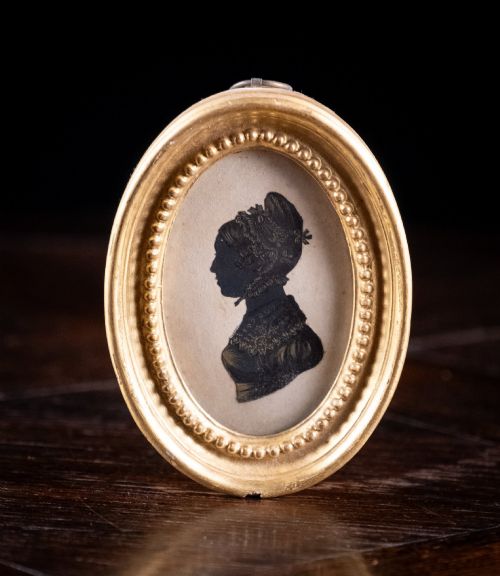
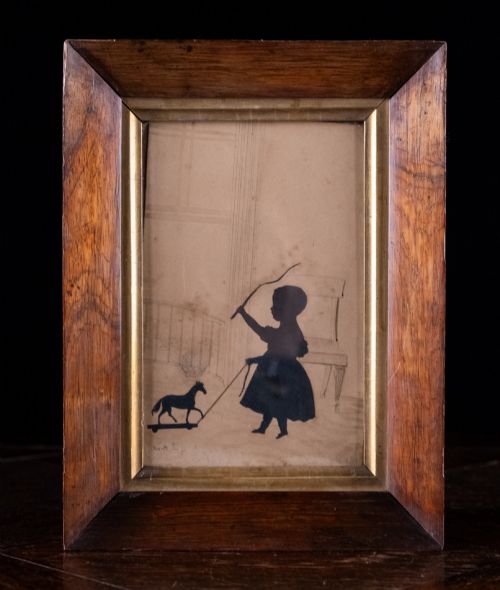
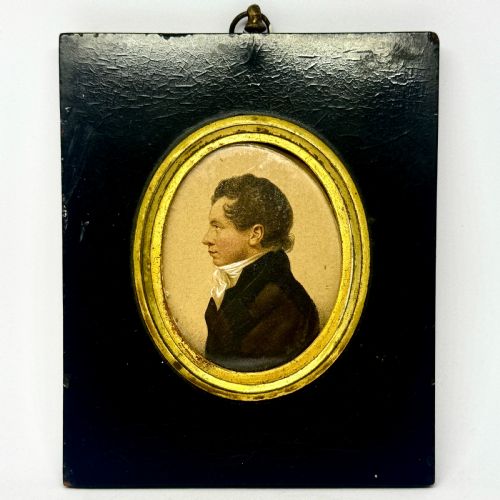
When you search for antique wall art silhouette, you encounter a focused genre of historic profile portraits, cut paper pictures, and reverse glass paintings. These pieces capture likenesses and scenes through stark outlines and contrasting backgrounds, preserving historical figures and anonymous sitters alike.
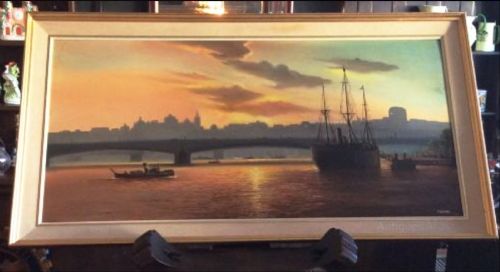
The selections available here span from the Georgian and Regency periods through the Victorian era into the twentieth century. You will find framed portrait miniatures alongside maritime scenes, botanical cut paper work, and decorative panels.
Makers and artists range from recorded practitioners like Augustin Edouart, Frederick Frith, and Alfred Darbyshire to anonymous hands working within folk art and traditional portraiture. The forms vary from intimate profile studies to larger framed compositions involving animals, jockeys, and literary themes.
Materials and construction
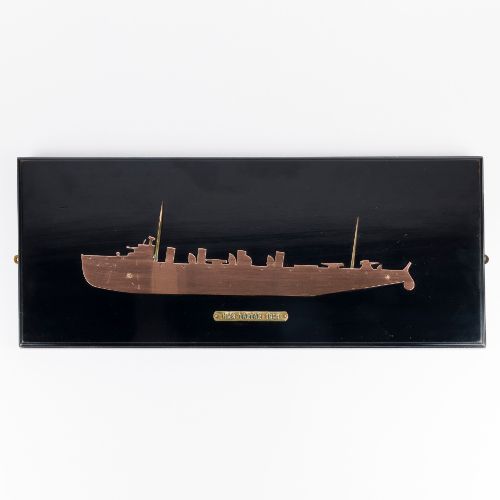
Reverse glass paintings require artists to apply pigment and gold leaf directly to the rear of the glass pane, viewing the finished image from the front for a glossy finish. Metal components incorporate brass and sheet metal shaped into weather vanes or sculptural wall plaques.
Framing forms an integral part of the construction, protecting vulnerable paper layers and glass panels behind wooden mouldings and brass mounts. The juxtaposition of dark silhouette profiles against pale backdrops or gilded highlights creates the distinct visual depth characteristic of these works.
Listings feature paper, glass, wood, and brass, spanning the eighteenth century to the twentieth century across multiple decorative styles.
Markers of distinction
The preservation of original materials heavily influences the integrity of the object. Surviving in period frames with intact glass and unblemished paper grounds retains the historical context and aesthetic balance intended by the maker.
Augustin Edouart·Frederick Frith·Alfred Darbyshire·George Atkinson·John Smith of Edinburgh
The Antique Wall Art Silhouette Glossary
- Silhouette
- A portrait or scene represented as a solid shape of a single colour, usually black, set upon a pale background. The technique relies entirely on outline and contour to convey likeness.
- Reverse Glass Painting
- An artwork created by painting or applying gold leaf onto the back side of a glass panel. When viewed from the front, the glass provides a protective and glossy surface.
- Portrait Miniature
- A small, highly detailed painting or silhouette designed for intimate viewing rather than display across a large wall space. These works often feature delicate watercolor or ink rendering.
- Ebonised Wood
- Timber treated with a finish to imitate expensive ebony wood. This dark framing material provides high contrast for pale background papers and black profile cuttings.
Antique Wall Art Silhouette: Frequently Asked Questions
How do I date a silhouette?
Dating relies heavily on the style of dress, hair, and headdress depicted in the portrait, which closely mirrored contemporary fashion trends. The framing materials and backing papers also offer reliable clues to the decade of creation.
Examination of the signature, if present, or handwritten notes on the reverse can further anchor the piece to a specific period or maker.
Were silhouettes always cut from paper?
While paper cutting remained the most common method, many silhouettes were painted directly onto card, plaster, or convex glass. Some artists utilised fabrics, foil, and gold leaf to add ornamentation to clothing and accessories.
Metalwork and marquetry panels also appear within the broader category of wall silhouettes, expanding the medium beyond simple paper forms.
How should I hang antique silhouettes?
Keep framed pieces away from direct sunlight to prevent the fading of delicate inks, watercolours, and aged paper grounds. Stable indoor humidity levels protect both the wooden frames and the vulnerable glass panels.
Group smaller portrait miniatures together on a wall to create a traditional gallery display reminiscent of historic domestic interiors.