




Antique Wainscot Furniture
Antique wainscot furniture comprises solid oak seating and architectural panels built with framed-panel construction, offering robust vernacular character for period interiors.
Antique Wainscot Furniture
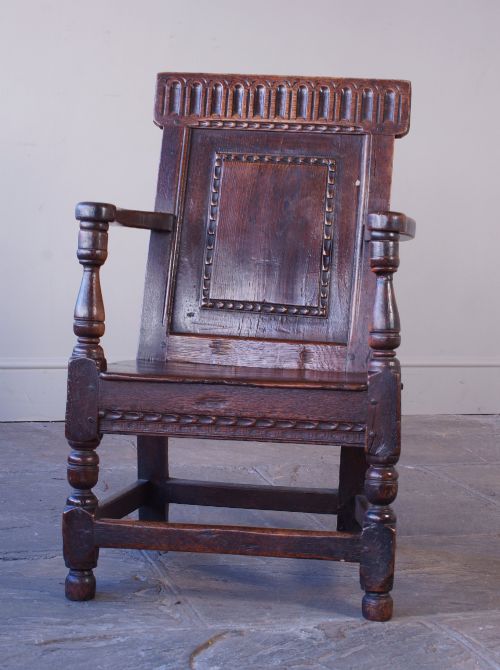
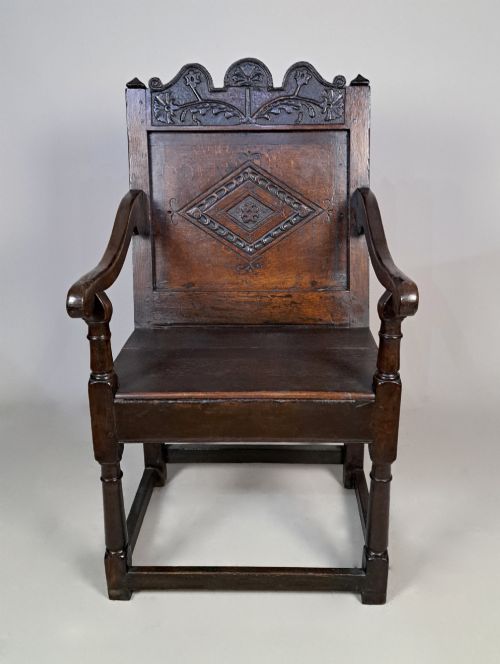
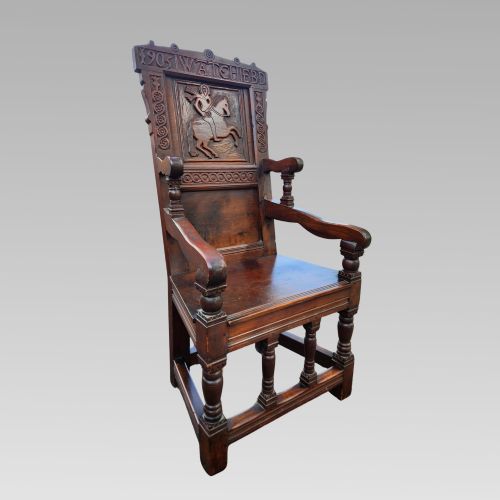
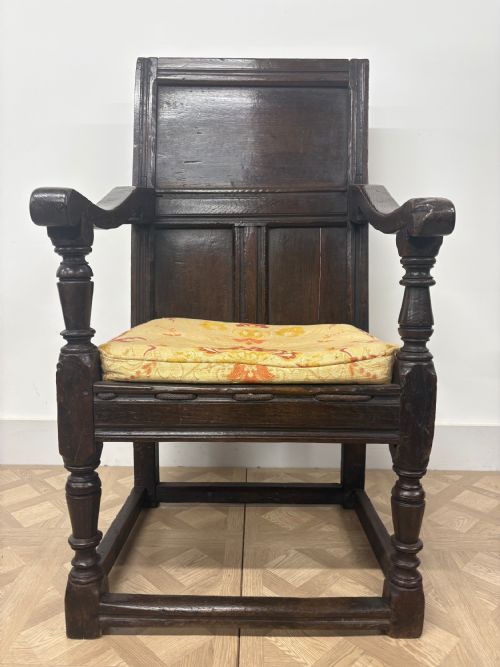
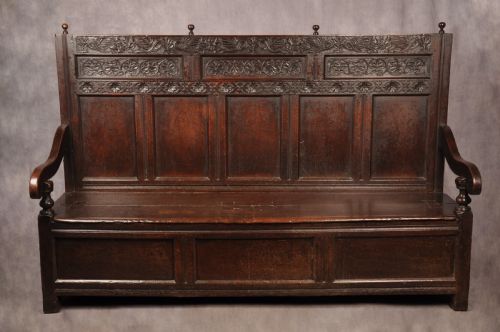
Antique wainscot furniture principally consists of heavy timber seating designed with panelled backs, such as armchairs, side chairs, and box settles. These forms emerge predominantly from the seventeenth century, reflecting domestic life in English regions like Lancashire, Cheshire, and Yorkshire, alongside Welsh and Dutch country workshops.
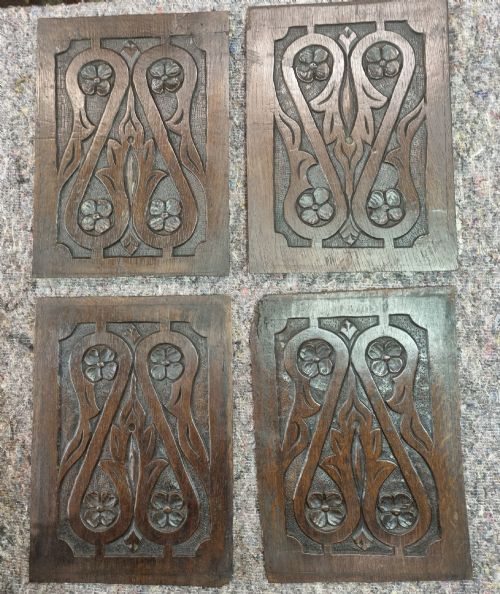
Buyers will frequently encounter armchairs and enclosed seating constructed from solid oak, alongside architectural panels carved in the seventeenth and eighteenth centuries. Regional vernacular styles dominate the selection, showing distinct regional carving patterns from North Wales and northern English counties.
Distinctions in quality and execution
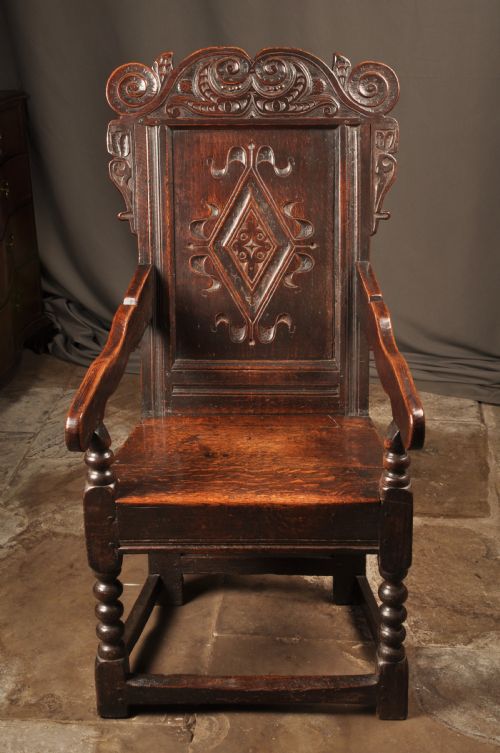
The standard of a piece rests heavily on the depth, crispness, and ambition of the carved ornament on the back panel and crest rail. Pieces displaying deeply cut motifs or specific regional characteristics from recognised localities command greater interest than plain vernacular equivalents.
Proportion and structural integrity dictate the grade of surviving seating, with heavier timbers and untouched surface patination marking superior examples. Alterations to height or replaced framing members distinguish pristine survivals from heavily restored workshop output.
Antique Wainscot Furniture Retail Price Guide 2026
Typical asking prices for wainscot furniture among the pieces listed under this phrase on Sellingantiques today, from the lower quarter to the upper quarter. They describe what is for sale here now, not the wider market.
Early box settles doubled as indoor storage bins and draft blockers, keeping family pets warm near the hearth.
The Antique Wainscot Furniture Glossary
- Wainscot
- A term originally describing fine oak panelling applied to interior walls, later used to designate heavy panel-backed wooden chairs and armchairs of the seventeenth century.
- Settle
- A wooden bench featuring a high solid back, enclosed arms, and often a box compartment beneath the seat to block cold drafts in early domestic halls.
- Backstool
- An upholstered or panelled chair built without arms, serving as a lighter seating form alongside larger armchairs in seventeenth-century households.
- Patination
- The natural surface sheen and mellow colour developed by aged timber through decades of handling, cleaning, and exposure to light.
- Vernacular
- Furniture built by local country joiners following regional traditions rather than fashionable metropolitan designs from London workshops.
Antique Wainscot Furniture: Frequently Asked Questions
What is a wainscot chair?
A wainscot chair is a heavy wooden armchair constructed with panelled backs and solid timber seats, originating mainly in the seventeenth century.
These chairs utilised panel-framing techniques borrowed from wall panelling construction, providing sturdy and durable seating for domestic halls before upholstered furniture became widespread.
How do I identify seventeenth-century oak furniture?
Seventeenth-century oak pieces display traditional joinery methods like pegged mortise and tenon joints, heavy solid timber construction, and hand-carved decoration.
Examining the wood reveals characteristic medullary rays in quarter-sawn oak, alongside surface patination and tool marks left by early joiners.
Where were these chairs made?
These pieces originated across various British regions, with distinct stylistic groups emerging from Yorkshire, Lancashire, Cheshire, and Welsh valleys like Conwy.
Regional workshops adapted local carving traditions, producing robust country furniture suited to rural homesteads and farmhouses.
How do I care for antique oak furniture?
Antique oak requires stable environmental conditions away from direct heat sources and sudden humidity fluctuations to prevent timber splitting.
Applying traditional beeswax periodically helps nourish the dry wood and maintains the natural patination built up over centuries.