




Antique Wagon Wheels
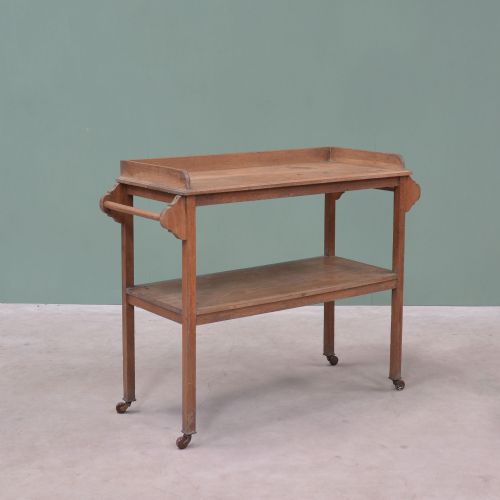
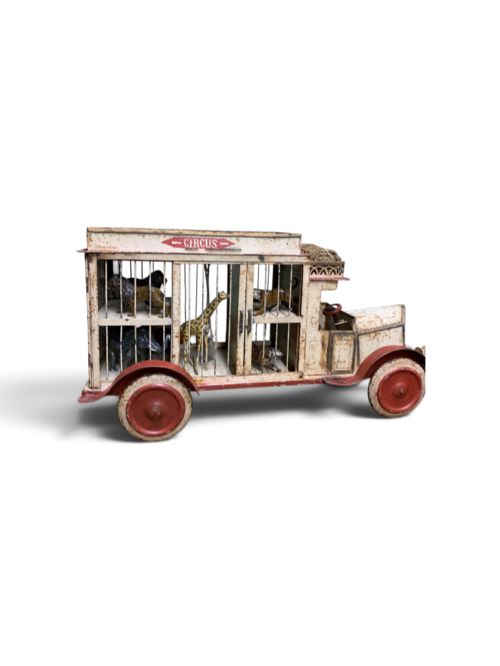
Antique wagon wheels turn up on serving trolleys, toy lorries, heavy cart pairs, and chandeliers from the nineteenth and early twentieth centuries.
Antique Wagon Wheels
When you search for antique wagon wheels, you encounter a surprisingly wide range of objects spanning the nineteenth and twentieth centuries. These pieces appear as architectural salvage, garden antiques, and parts of functional items like serving trolleys and fireside accessories.
The most common versions on this page combine wood and metal elements, mirroring the sturdy construction of working carts and industrial vehicles. Other forms take miniature or decorative shapes, such as toy lorries and candlelit chandeliers designed for interior spaces.
Origins stretch from the Regency and Victorian eras through the Edwardian period and into the 1920s and 1930s. Buyers find items shaped by industrial utilitarian, rustic, and Art Deco styles, showing how utilitarian iron and timber were adapted for domestic utility and amusement.
How they were made
Makers utilised durable hardwoods like oak and walnut alongside robust metals including cast iron, wrought iron, and silver plate. These materials provided the necessary strength for working carts and serving furniture alike.
Blacksmiths shaped the metal components by hand, combining them with turned or carved wooden structures and painted surfaces. Plated metals also appear on smaller tableware accessories from the Regency and Victorian periods.
Antique Wagon Wheels Retail Price Guide 2026
Typical asking prices for wagon wheels among the pieces listed under this phrase on Sellingantiques today, from the lower quarter to the upper quarter. They describe what is for sale here now, not the wider market.
Listings span the Regency, Victorian, Edwardian, and 1930s periods, using oak, walnut, cast iron, wrought iron, and silver plate.
What varies in quality
The distinction between standard items and superior examples lies in the integrity of the materials and the skill of the construction. Hand-forged blacksmith work on iron and carefully joined oak or walnut display a higher level of craftsmanship than mass-produced alternatives.
Proportion and decorative detail also dictate the standard of the piece, whether in the heavy scale of architectural cart wheels or the delicate plating of dining table coasters.
The Antique Wagon Wheels Glossary
- Cast iron
- Iron poured into a mould to form rigid shapes. This material provides heavy structural support for utilitarian items.
- Wrought iron
- Iron beaten into shape by hand with a hammer. Blacksmiths utilised this technique for decorative and load-bearing components.
- Silver plate
- A thin layer of silver applied to a base metal. This finish offers the appearance of solid silver on serving accessories.
- Metamorphic
- Describing furniture that transforms from one form to another. These pieces serve multiple functions in domestic spaces.
Antique Wagon Wheels: Frequently Asked Questions
What are antique wagon wheels used for?
These items serve various decorative and practical purposes in homes and gardens. They appear as garden antiques, architectural salvage, and structural elements on chandeliers.
Smaller examples function as toy vehicles, while larger versions support serving trolleys and coal scuttles.
How do I identify Victorian pieces?
Victorian items often feature robust combinations of cast iron and wood, or polished silver plate. Look for the heavy proportions typical of nineteenth-century manufacturing.
Stylistic cues match the Victorian and industrial utilitarian periods seen across the listings.
Are these wheels purely decorative?
Many items incorporating these wheels retain their original practical functions. Serving trolleys and tea trolleys roll on their wheels to transport food and drinks.
Other pieces, such as chandeliers and architectural salvage, are adapted primarily for display.
What materials should I expect?
The primary materials are wood, oak, walnut, cast iron, wrought iron, and painted surfaces. Silver plate also appears on tableware accessories.
Combinations of timber and metal dominate both the domestic trolleys and the larger cart wheels.