



Antique Village Scene
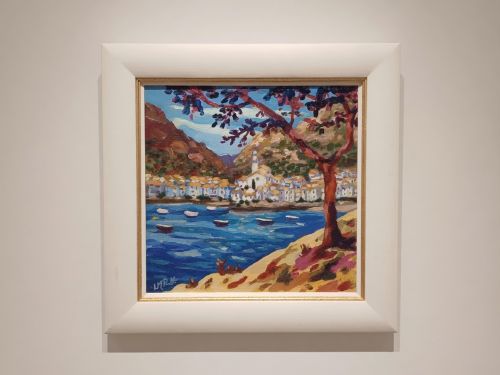
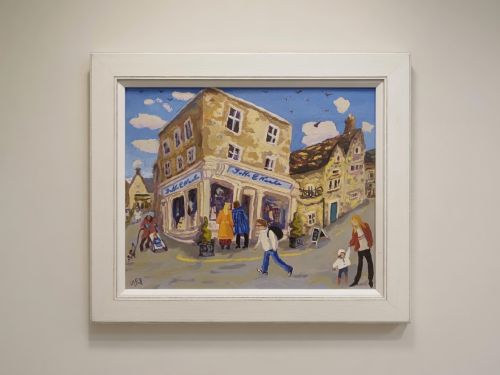
When you search for an antique village scene, you encounter framed paintings and silver boxes depicting rural settlements across Britain and Europe.
Antique Village Scene
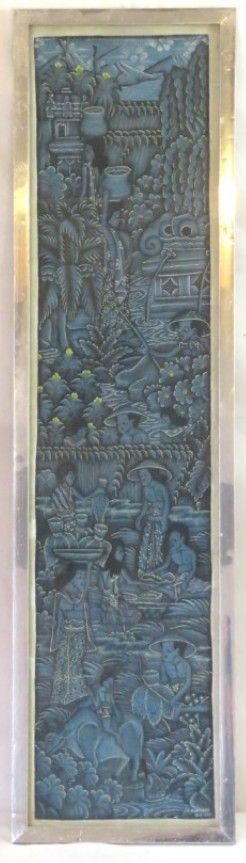
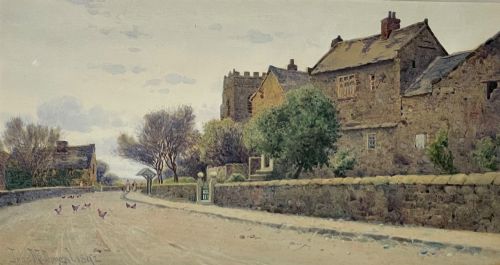
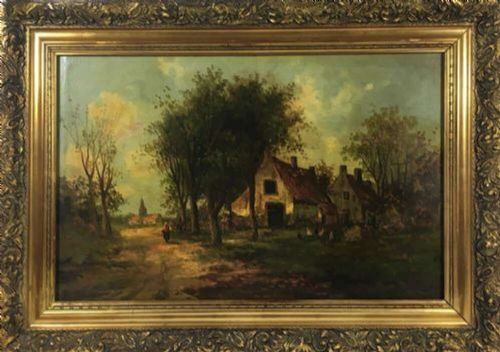
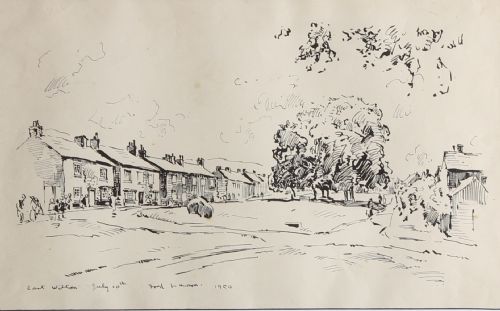
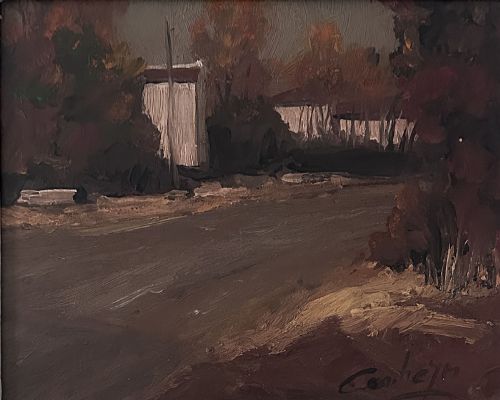
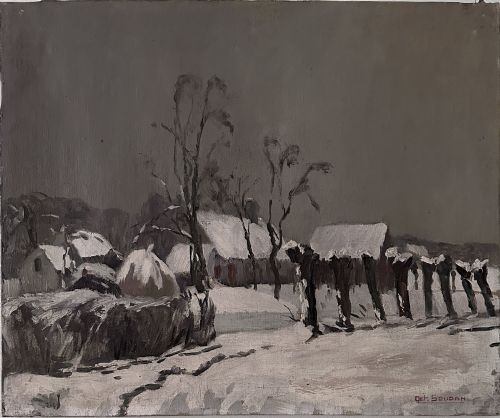
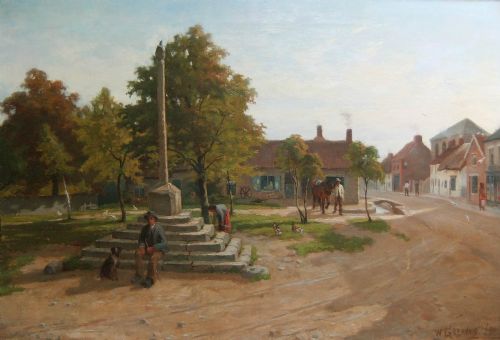
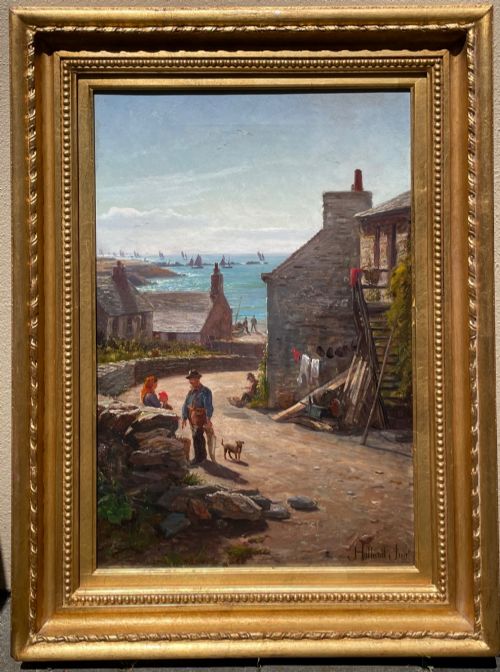
An antique village scene captures rural life, coastal settlements and country streets through painting and metalwork. These works range from late nineteenth-century watercolours of English and Scottish cottages to twentieth-century continental oils on canvas.
Most pieces on this page are paper or canvas works executed in watercolour, gouache or oil paint. Subjects frequently feature local harbours, snow-covered lanes, agricultural fields and village inns from periods spanning the Victorian era through to the mid-twentieth century.
Regional schools such as the Newlyn School and St Ives School appear alongside French, Dutch and German interpretations of country life. Buyers will also discover solid silver caddies and trinket boxes embossed with detailed repoussé village motifs.
Materials and methods of the works
Painters relied upon oil on canvas, oil on board, and watercolour on paper, often incorporating gouache for opaque highlights. Artists applied pigment with brushes and palette knives to build texture, capturing light on snow, water and stone cottages.
Silversmiths utilised sterling silver to fashion caddies and boxes, employing repoussé techniques to hammer village scenes into relief from the reverse side. Frames were constructed from wood, frequently finished with gold leafing to complement the artwork.
Geographic subjects span across England, Scotland, Wales, France, Germany, the Netherlands, India, and North Africa.
Distinctions in standard and execution
Quality rests upon the artist's ability to render light, atmosphere and perspective within the settlement. Works by named painters from recognised regional schools demonstrate superior draughtsmanship and compositional depth compared to anonymous student pieces.
In silverwork, the crispness and depth of the repoussé village details determine the standard of the piece. Crisp architectural definition and well-preserved hallmarks indicate superior craftsmanship in metal objects.
John McDougal·Edward Mills·William Greaves·John Holland·Gaston Cornil·George Turland Goosey·Arthur Tucker·David Teniers II·M. C. Hider·Charles Vickers·James Watson·George Gregory·John Smith Atherton·Robert Hollands Walker·Joseph W. Milliken·Percy Brooke·David Woodlock·Henry Sykes·William Lee Hankey·Robert McGregor·B W Leader·Edwin Masters·George Smith Of Chichester·Henry Charles Fox·E Chaplin
The Antique Village Scene Glossary
- Repoussé
- A metalworking technique where an artisan hammers a design from the reverse side to form a raised relief on the front. This method appears on antique silver boxes and caddies depicting rural houses.
- Gouache
- An opaque water-based paint that provides solid, flat areas of colour and sharp highlights in works on paper. Artists combined it with transparent watercolour to render winter scenes and coastal light.
- Genre painting
- The depiction of everyday subjects and scenes from ordinary life, such as farm laborers, villagers and market mornings. This style forms the basis of many nineteenth-century rural landscapes.
- Newlyn School
- An artist colony based in Cornwall that painted coastal life and fishing villages in a naturalistic plein-air style. Their works capture the atmospheric conditions of West Country harbours.
Antique Village Scene: Frequently Asked Questions
What periods do these village scenes come from?
The pieces span from the seventeenth century through the Victorian era and into the mid-twentieth century. Most examples originate in the nineteenth and early twentieth centuries.
Works from this timeframe reflect shifts in artistic movements, including British Impressionism, the Newlyn School and continental European art traditions.
How were silver village scenes decorated?
Silversmiths used the repoussé technique on sterling silver to create three-dimensional rural landscapes. Craftsmen hammered the metal from behind to push out cottages, figures and trees.
These decorative panels wrap around tea caddies and trinket boxes produced around nineteen hundred.
Which mediums were used for these paintings?
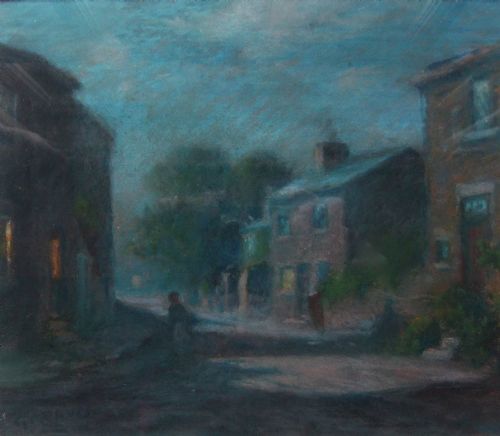
Artists employed oil paint on canvas or board, alongside watercolour and gouache on paper. Pastel drawings also feature among the selection of rural views.
Each medium offered different properties for capturing light on snow, sea and stone buildings.
How do I identify regional schools in the paintings?
Regional schools are identified through subject matter and stylistic approaches linked to specific coastal or rural areas. Works associated with St Ives or Newlyn depict Cornish fishing communities and light.
Barbizon and Dutch pieces reflect continental approaches to farming landscapes and winter village scenes.