

Antique Victorian Figurine
When you handle an antique victorian figurine, you hold a tangible piece of domestic and studio craft from the nineteenth century.
Antique Victorian Figurine
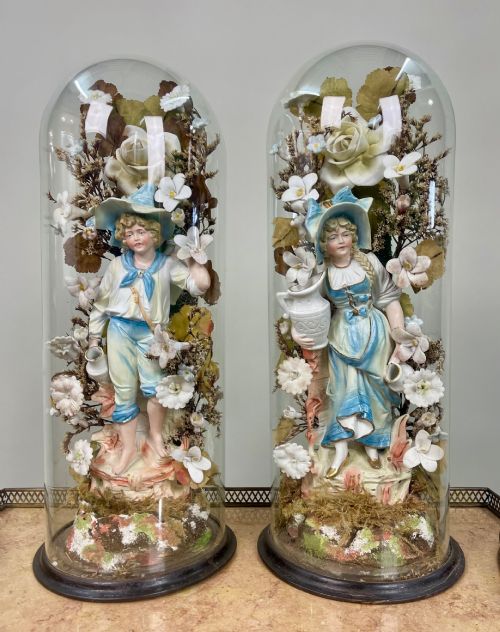
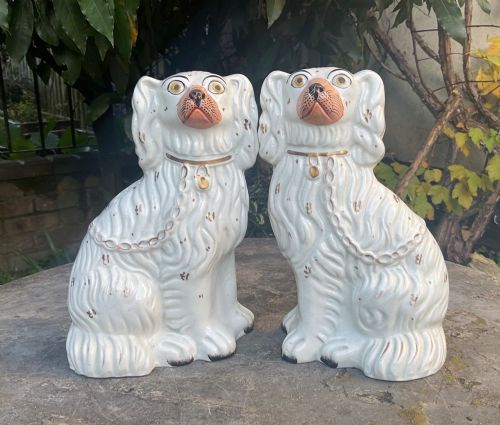
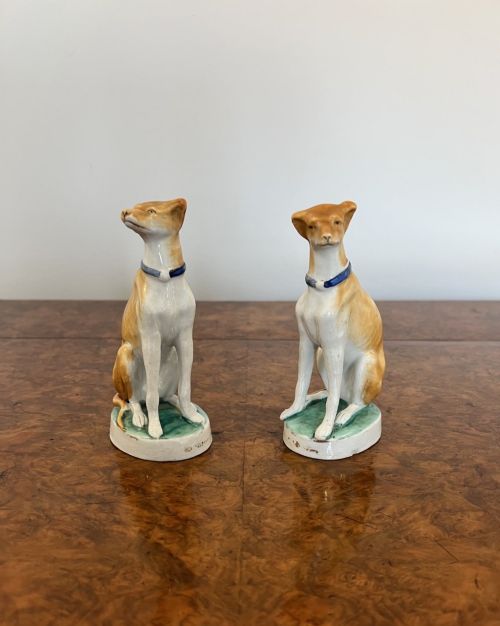
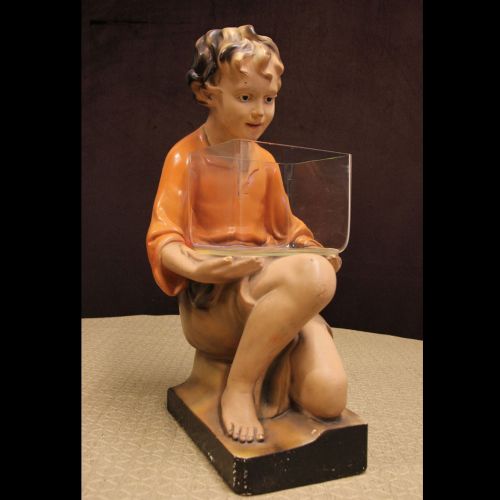
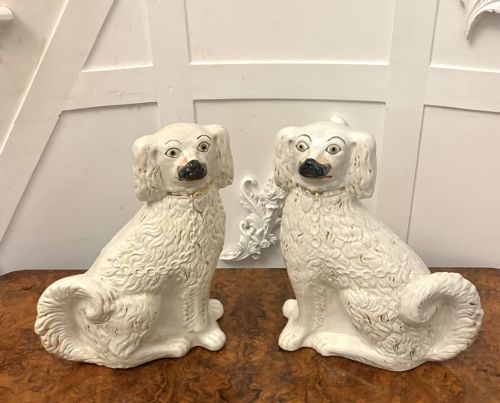
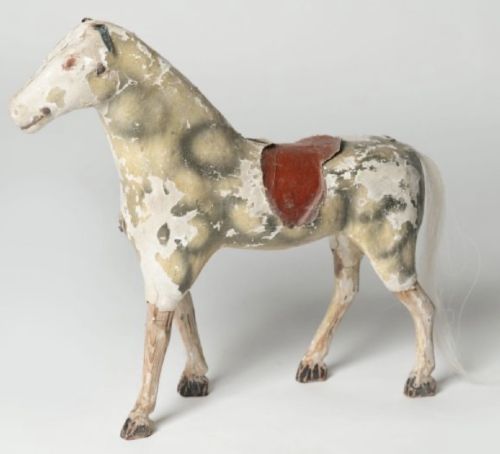
The term antique victorian figurine covers a diverse group of sculptural objects produced primarily during the nineteenth century, spanning household ornaments and decorative mantle pieces. Buyers searching this phrase commonly encounter Staffordshire pottery dogs, greyhounds, flat back figures, and earthenware subjects reflecting the period taste.
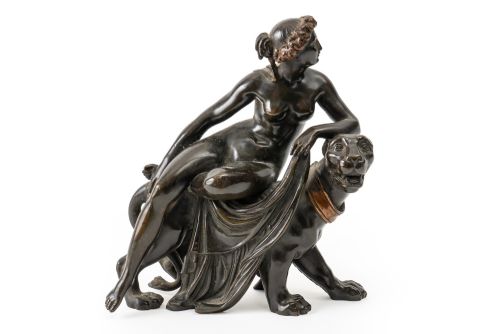
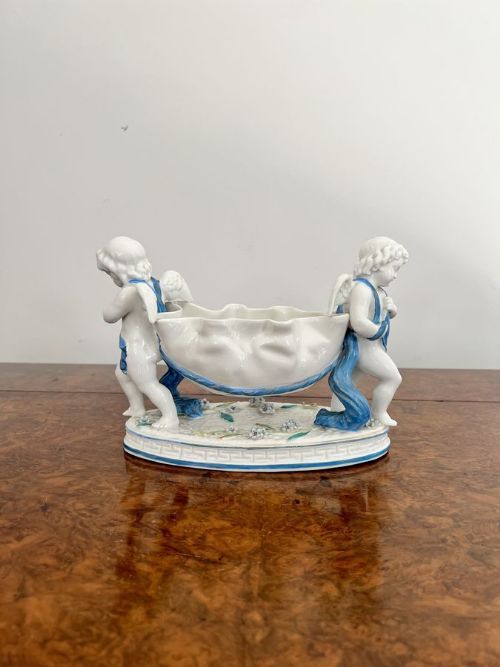
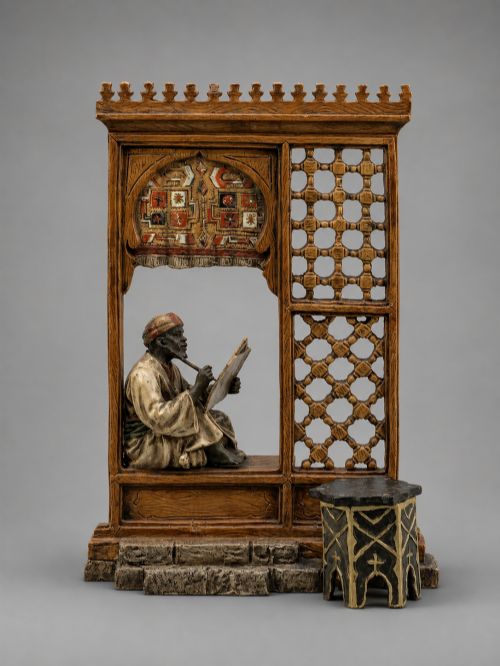
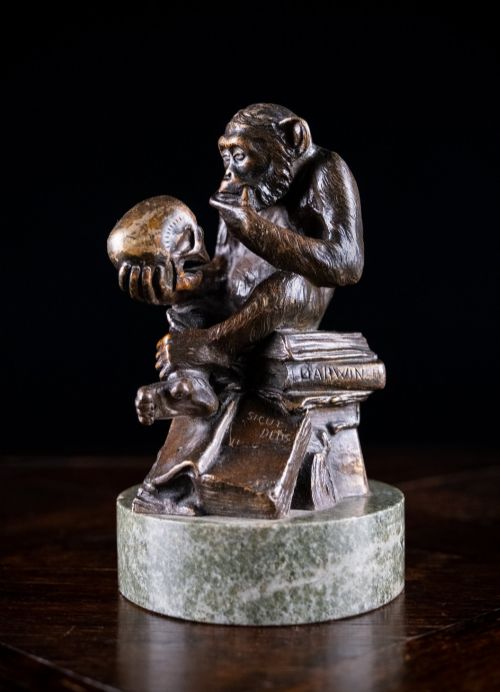
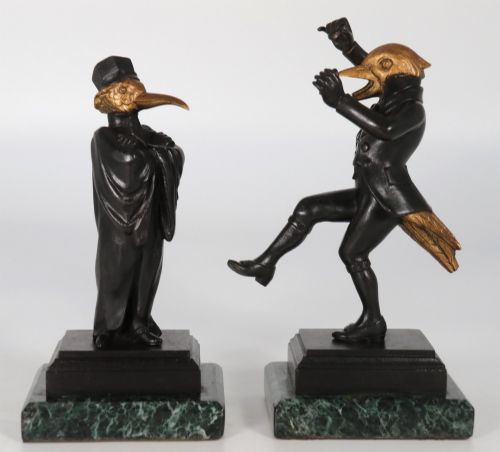
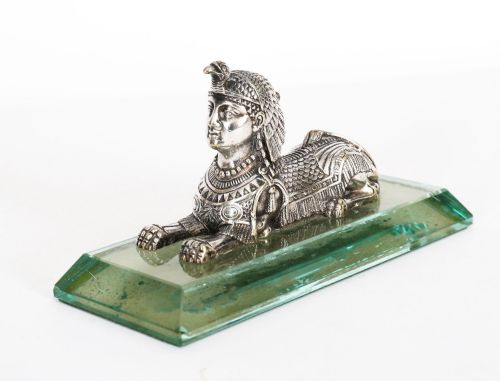
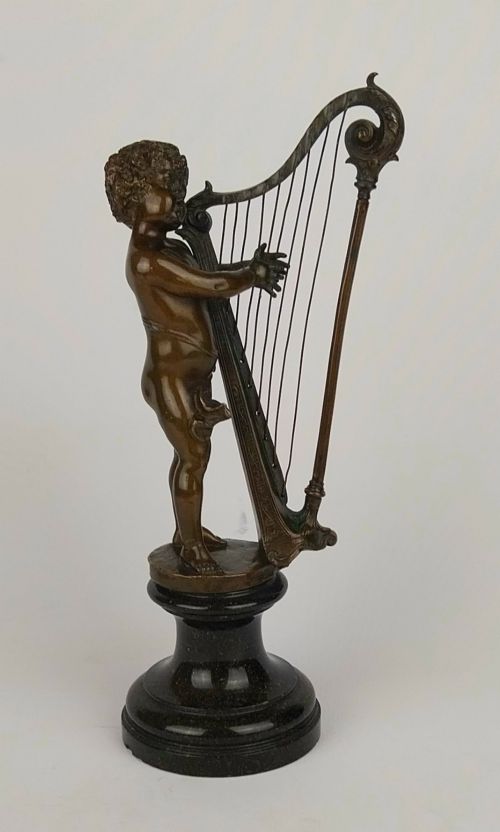
Beyond earthenware pottery, this category incorporates cast bronzes, carved Black Forest wood subjects, Parian groups, and porcelain figures from factories such as Meissen. These pieces served functional roles as inkwells and spill vases or stood purely as decorative sculptures within Victorian parlours.
Methods and materials of manufacture
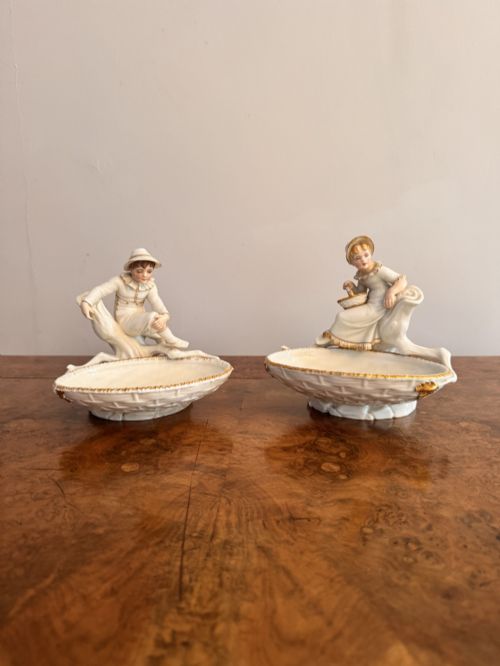
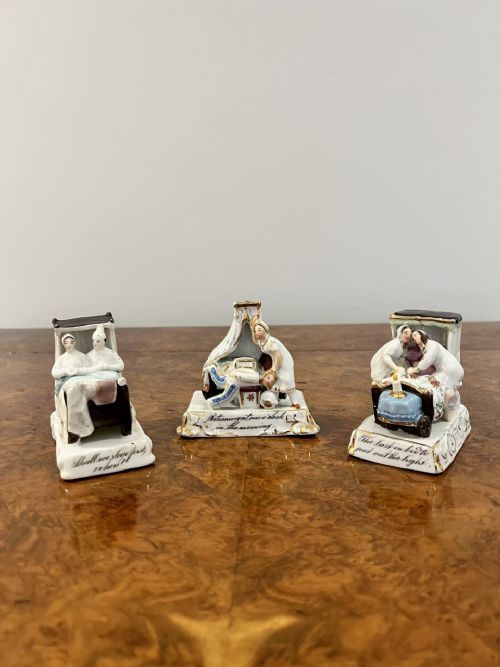
Pottery figures and dogs emerge from earthenware and porcelain bodies, shaped in moulds and finished with hand-painted enamel colours or rich glazes. Many Staffordshire pieces incorporate distinct flat backs intended for display against mantelpiece walls.
Metal sculptures rely on bronze casting techniques, including cold-painted finishes on Austrian works or fine chasing seen in French foundry productions. Wood carvings utilise local timbers in Black Forest workshops, while Parian ware employs a fine unglazed porcelain resembling marble.
Antique Victorian Figurine Retail Price Guide 2026
Typical asking prices for victorian figurine among the pieces listed under this phrase on Sellingantiques today, from the lower quarter to the upper quarter. They describe what is for sale here now, not the wider market.
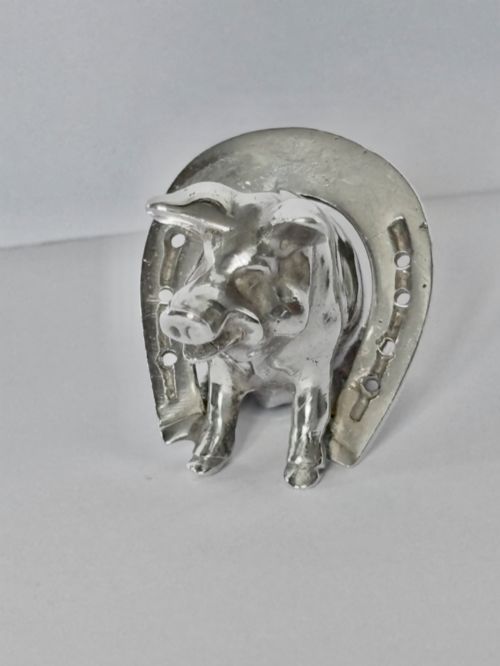
Listings feature Victorian earthenware, bronze, marble, and porcelain across sculptural forms including inkwells, spill vases, and animal studies.
Distinctions in quality and execution
The reputation of the maker or foundry dictates value, with signed works or pieces carrying factory marks showing greater artistic ambition. The weight of the material, the depth of the glaze, and the structural integrity of the casting separate standard factory output from masterworks.
Thomas Parr factory·P. J. Mène·Carl Kauba·Edmé Samson·Barbedienne
The Antique Victorian Figurine Glossary
- Staffordshire pottery
- Ceramic objects produced in the Staffordshire potteries, widely known for spaniels and figure groups. These earthenware items formed staples of Victorian mantelpiece decoration.
- Cold painted bronze
- Bronze sculptures decorated with non-fired paint applied over a metallic base. This technique achieved vibrant colour on Austrian animal figures and small ornaments.
- Parian ware
- A fine-grained, unglazed porcelain developed to imitate carved marble. Victorian factories utilised this material for classical figure groups and portrait busts.
- Flat back
- A method of pottery construction where the rear of the figure remains unglazed and flat. This design allowed large decorative groups to sit flush against interior walls.
Antique Victorian Figurine: Frequently Asked Questions
What materials were used to make these figures?
Makers utilised earthenware, porcelain, bronze, carved wood, alabaster, and Parian ware across the nineteenth century.
Pottery pieces often received hand-painted enamel details, while bronze and wooden objects relied on casting and carving techniques.
How do I distinguish pottery from bronze?
Ceramic and earthenware figures present glazed or painted surfaces with hollow or flat-backed construction.
Bronzes offer metallic weight, cold-painted or patinated finishes, and occasional foundry stamps or artist signatures.
Were these figures purely decorative?
Many sculptures stood purely as mantelpiece ornaments, portrait busts, or decorative group studies.
Others served practical household functions, operating as inkwells, spill vases, salt cellars, or pin cushions.
How should I care for an antique figure?
Keep delicate earthenware and carved wooden pieces away from direct sunlight and excessive moisture.
Dust surfaces gently with a dry, soft brush to protect painted enamel details and fragile patinas.