
Antique Victorian Artwork
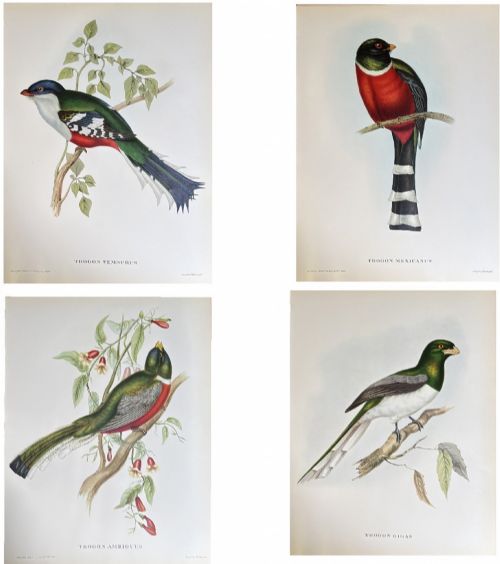
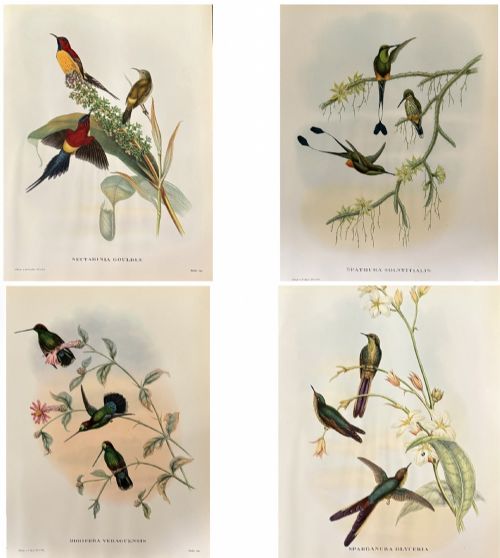
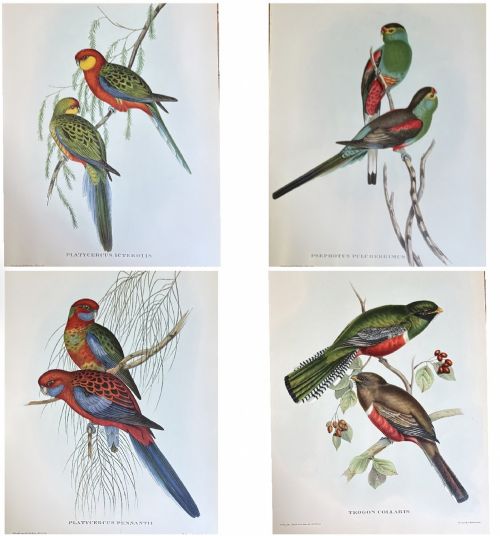
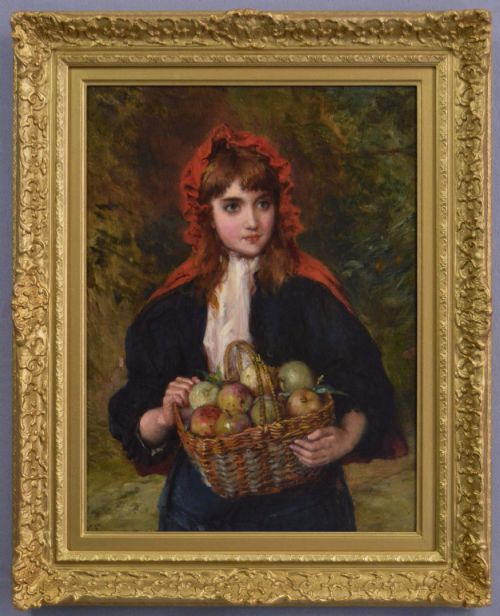
These pieces of antique victorian artwork bring together the rich visual language of the nineteenth century, offering framed paintings, delicate watercolours, and detailed prints for domestic display.
Antique Victorian Artwork
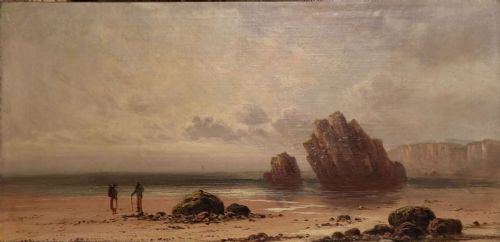
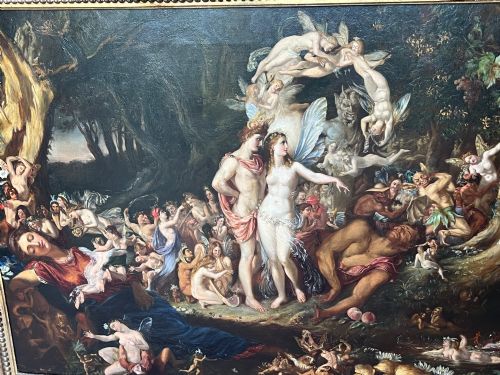
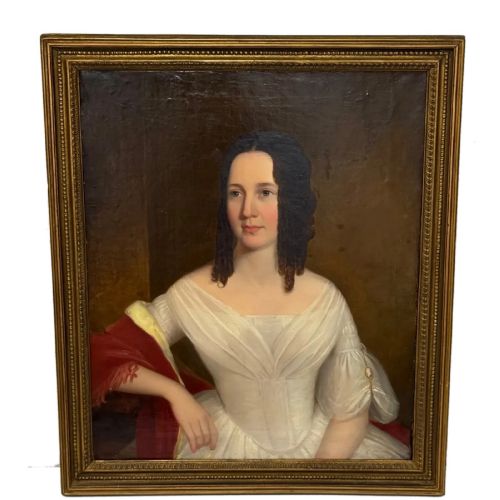
When you search for antique victorian artwork, you are looking at a diverse range of visual media produced primarily during the nineteenth century, encompassing paintings, drawings, prints, and silhouettes. The pieces span academic portraits, romantic landscapes, natural history studies, and coastal scenes created by British and European hands.
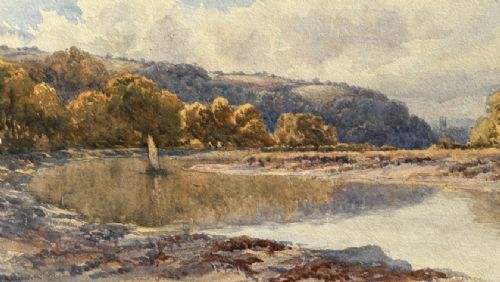
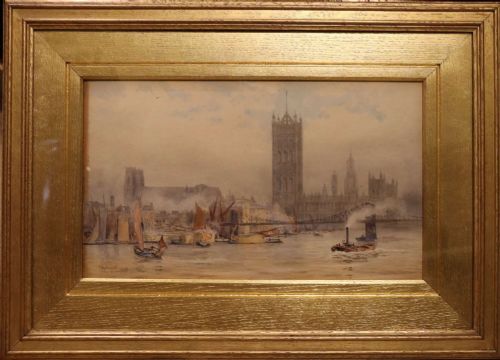
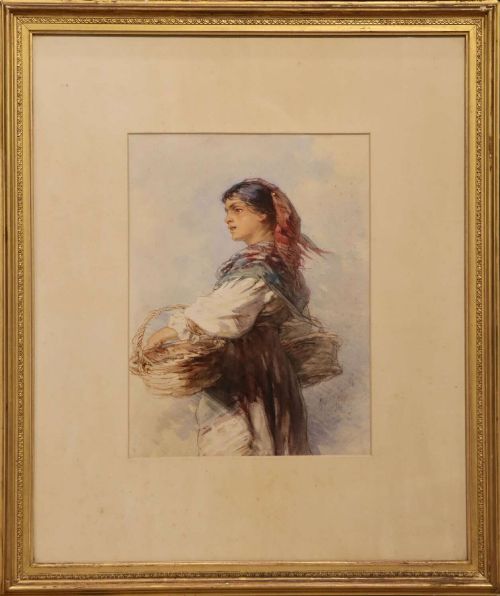
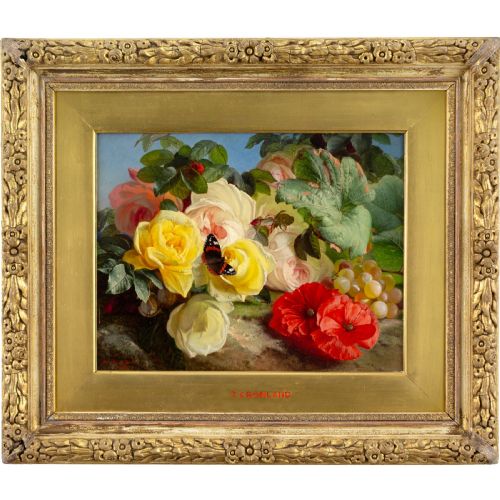
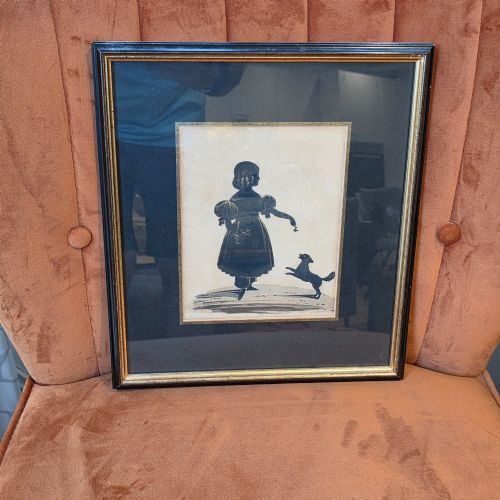
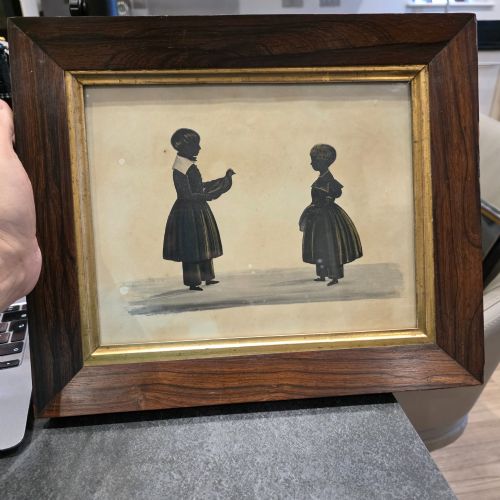
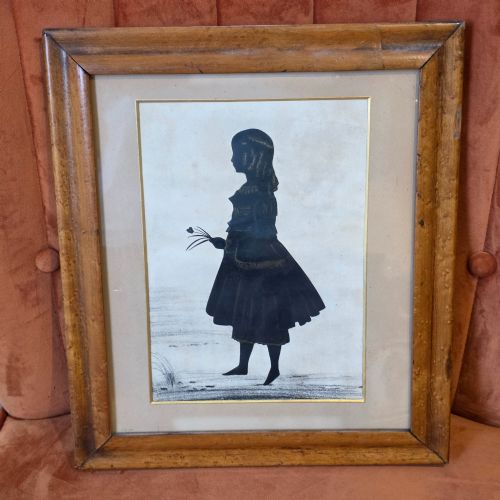
On this page, you are most likely to meet original watercolours and oil paintings mounted in period wooden frames, alongside framed prints and cut-paper silhouettes. These works reflect the domestic tastes of the Victorian era, moving from topographical views of Scotland and the Thames to intimate genre scenes and botanical subjects.
Materials and methods of production
The physical objects rely on traditional supports such as canvas stretched over wooden frames, heavy watercolour paper, wood panels, and glass. Artists applied oil paint, bodycolour, and watercolour pigments using brushes to build up rich tones and fine detail.
Framing forms an integral part of the physical makeup, utilising carved wood and gilt wood mouldings to protect the artwork. Lithography and cut-paper techniques appear alongside hand-painted works, showing the blend of manual skill and reproduction methods common in the period.
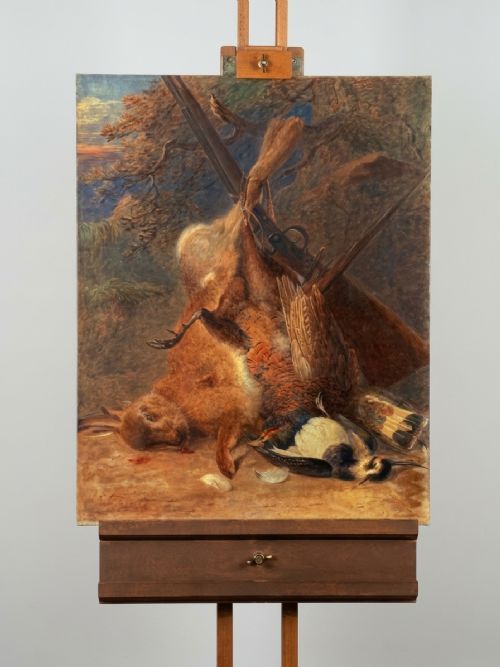
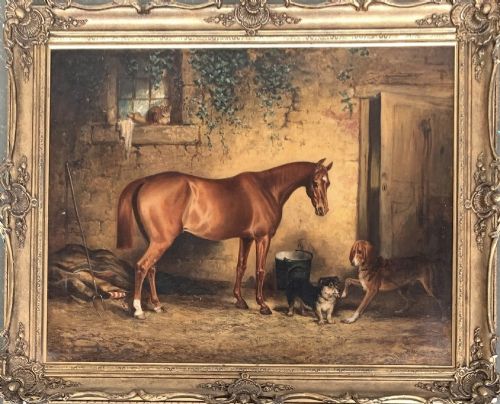
Several Victorian paintings stubbornly refuse to abandon the company of pigeons, game birds, and mischievous dogs.
Distinctions in quality and execution
Quality rests upon the sureness of the draftsmanship and the handling of the chosen medium, whether that is the transparency of a watercolour wash or the depth of oil on canvas. Stronger pieces display confident brushwork and precise anatomical or architectural rendering rather than stiff, formulaic execution.
The presence of a clear signature, a known hand, or a documented exhibition history elevates a piece from standard decorative output to a notable example of nineteenth-century fine art. The integrity of the original backing, frame, and paper condition further separates superior survivals from heavily restored or compromised items.
David Law·George Sydney Shepherd·Henry Barraud·H. Medlycott·Guido Bach·Theude Gronland·Sir Joseph Noel Paton·William James Hubard·William Oliver·Richard Sebastian Bond·William Beattie-Brown·George Fotherly Hargitt·Thomas Miles Richardson Jnr·James Orrock·William Henry Earp·Felix Stone Moscheles·Richard Principal Leitch·Sir James Dromgole Linton·John R Prentice·Valentine T. Garland·Alfred Young Nutt·William Howard Hardy·Frederick Marriott·Arthur Wardle
The Antique Victorian Artwork Glossary
- Watercolour
- A painting method where fine pigment is suspended in a water-soluble binder, typically applied to paper. It allows for luminous washes and delicate detail.
- Bodycolour
- An opaque water-based medium, sometimes called gouache, used to add solid highlights and dense areas of colour to a watercolour painting.
- Oil on Canvas
- Pigment mixed with drying oil applied to a woven fabric support stretched across a wooden frame. This combination allows for rich blending and textured impasto.
- Silhouette
- A portrait cut from black paper or painted in profile, popular for capturing likenesses before the widespread use of photography. They often include fine watercolour details.
- Lithography
- A planographic printing process based on the repulsion of oil and water, used to produce multiple copies of images such as sporting scenes and natural history plates.
Antique Victorian Artwork: Frequently Asked Questions
What subjects are common in nineteenth-century paintings?
Landscapes and coastal scenes dominate the surviving output, often depicting Scottish lochs, rivers, and rugged coastlines with figures or boats.
Portraiture, botanical studies, and narrative animal subjects also appear frequently, reflecting the varied interests of Victorian patrons.
How do I care for antique works on paper?
Works on paper require protection from direct sunlight to prevent fading of watercolours and yellowing of the support sheet.
Keep them in stable environmental conditions away from damp walls to avoid foxing spots and paper degradation.
Are these pieces usually signed by the artist?
Many paintings and watercolours feature artist signatures, monograms, or period inscriptions either on the front face or the reverse.
Unsigned works also exist, often attributed through style, technique, or old gallery labels attached to the framing.
Should I keep the original frame?
Original gilt wood and wooden frames contribute significantly to the historical context and aesthetic presentation of nineteenth-century artwork.
Retaining them maintains the integrity of the piece, provided the structure remains stable and secure.