

Antique Vessel
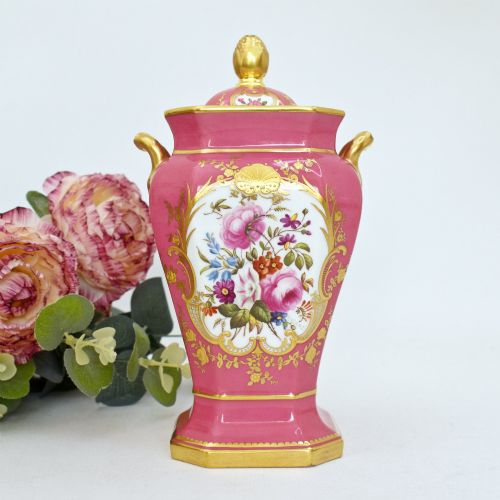
An antique vessel holds centuries of utilitarian purpose and decorative refinement, ranging from apothecary bottles to cloisonné vases.
Antique Vessel
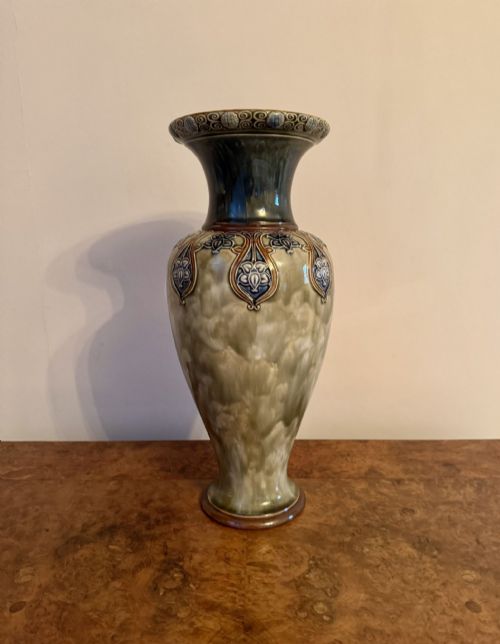
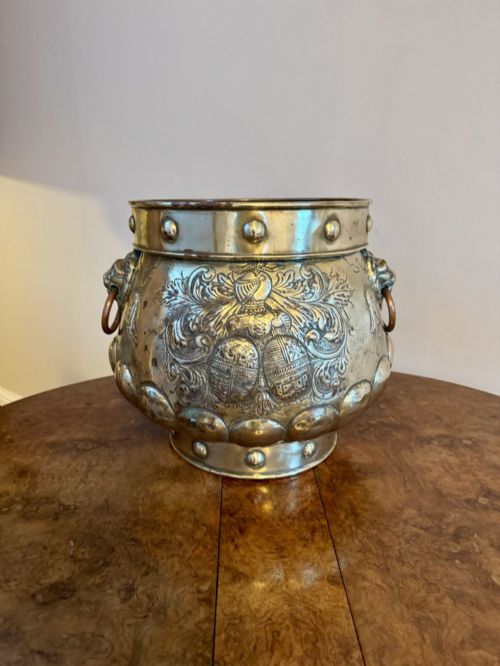
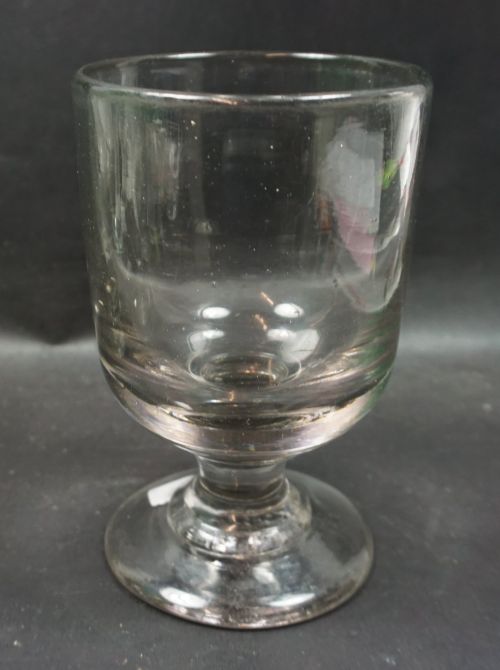
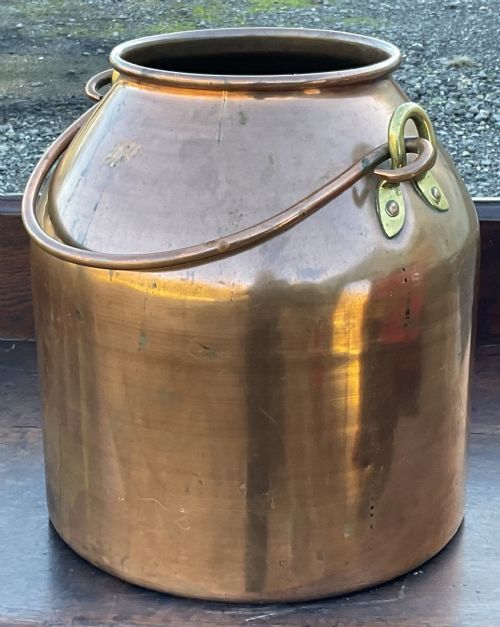
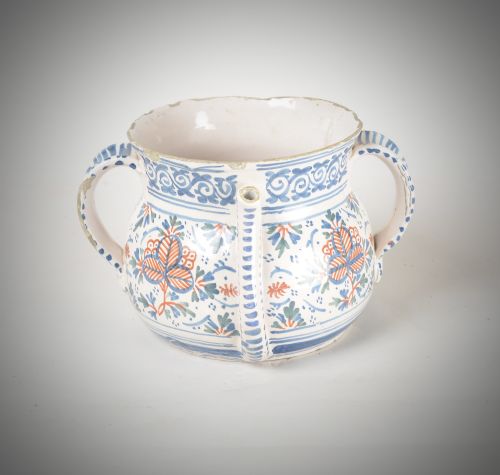
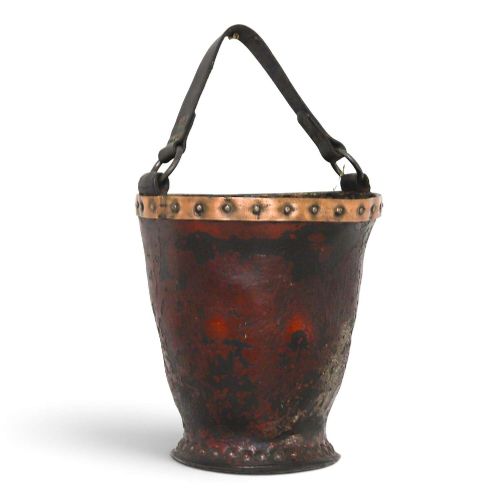
An antique vessel encompasses a vast array of functional and decorative containers, including apothecary bottles, vases, loving cups, and ewers. When exploring the category, collectors frequently encounter pieces spanning the Georgian, Victorian, and Edwardian eras, alongside significant examples from Asian dynasties.
How They Were Made
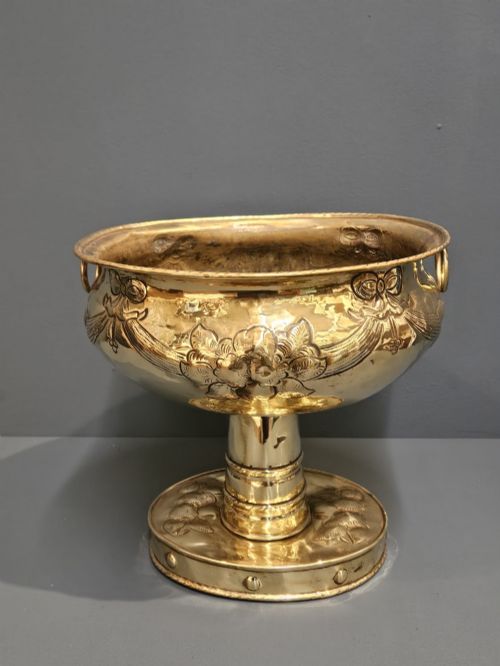
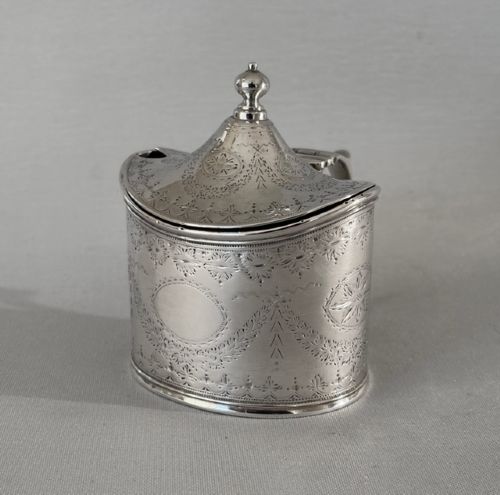
Makers utilised traditional techniques involving ceramic glazing, glassblowing, and metal casting to form these containers. Cloisonné enamel pieces combine metal wire partitions with vitreous paste, while sterling silver items display intricate repoussé ornamentation.
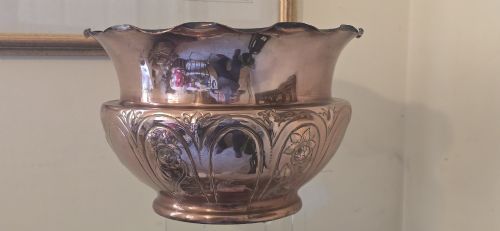
Organic materials such as wood appear alongside shaped glass, brass, copper, and bronze. Artisans shaped porcelain and pottery through wheel-throwing or moulding before applying detailed surface motifs, ranging from hand-painted horse decorations to acid etching.
Antique Vessel Retail Price Guide 2026
Typical asking prices for vessel among the pieces listed under this phrase on Sellingantiques today, from the lower quarter to the upper quarter. They describe what is for sale here now, not the wider market.
What Varies in Quality
The refinement of the casting, the precision of the enamel work, and the clarity of the glass separate standard containers from exceptional pieces. Superior examples display crisp chasing on metalwork, balanced proportions, and deliberate attention to surface detail.
Provenance and stylistic purity heavily influence the standing of a piece, whether it is a restrained Georgian glass or a complex Meiji period cloisonné vase. Depth of colour in glazed ceramics and the crispness of engraved motifs signal superior craftsmanship.
The Antique Vessel Glossary
- Cloisonné enamel
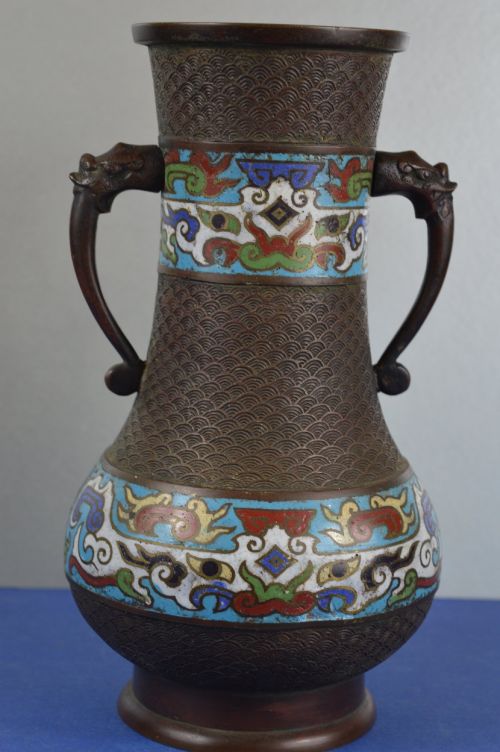
- A metalwork technique where fine wires are soldered to a base to create compartments filled with enamel paste. This method produces intricate, multi-coloured decorative patterns across vases and jars.
- Repoussé
- A metalworking method where an artisan hammers metal from the reverse side to form a raised design in relief. It is commonly found on antique silver tea caddies and decorative vessels.
- Balustroid
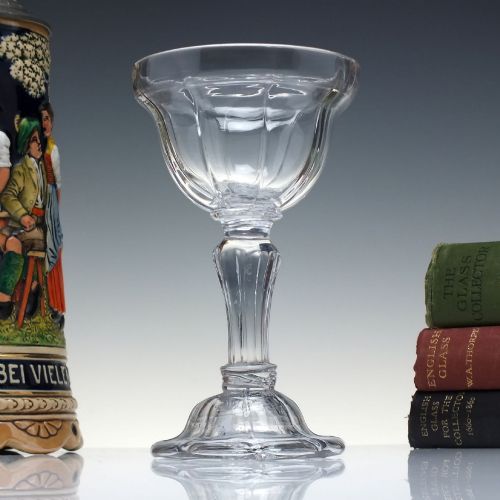
- A stem form on drinking glasses resembling a baluster, featuring swelling curves. This silhouette is typical of eighteenth-century wine and ale glasses.
- Apothecary jar
- A container utilised by chemists and pharmacists to store dry drugs, herbs, or liquids. These ceramic or glass vessels often feature distinct labelling or rich glazes.
Antique Vessel: Frequently Asked Questions
How do I care for antique glass vessels?
Wash glass containers gently by hand using lukewarm water and mild soap, avoiding sudden temperature changes that can cause cracking.
Keep them away from direct sunlight to preserve the original colour and prevent any degradation of delicate surface treatments.
What defines a Georgian apothecary bottle?
Georgian apothecary bottles usually display deep coloration, such as amethyst or rich greens, reflecting early glass manufacturing techniques.
They were produced for storing medicines and typically exhibit heavy, handmade glass characteristics with pontil marks on the base.
How are Japanese cloisonne vases identified?
Japanese cloisonne pieces from the Meiji period often feature intricate wirework depicting natural scenes, birds, dragons, or floral mosaics.
Inspect the surface closely to observe the fine metal boundaries separating the glossy enamel fields.
Where were loving cups used?
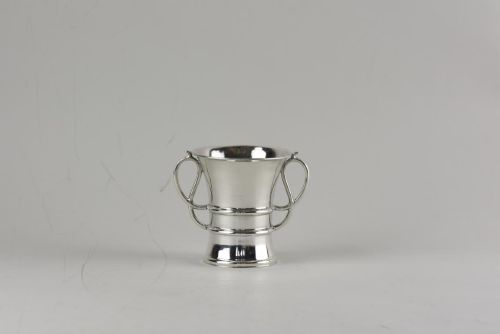
Loving cups served communal drinking functions during civic banquets, weddings, and formal celebrations.
These large ceramic or metal vessels typically feature two or three handles to allow safe passing among guests.