







Antique Vermeil Spoons
Antique vermeil spoons bring gilded silver warmth to the table, offering centuries of craftsmanship and decorative distinction.
Antique Vermeil Spoons
Antique vermeil spoons encompass gilded silver tablewares and serving implements produced across the Georgian, Victorian, and Edwardian eras. These pieces combine solid sterling silver bases with applied gold plating, creating a rich dual-tone appearance that endures through generations of use.
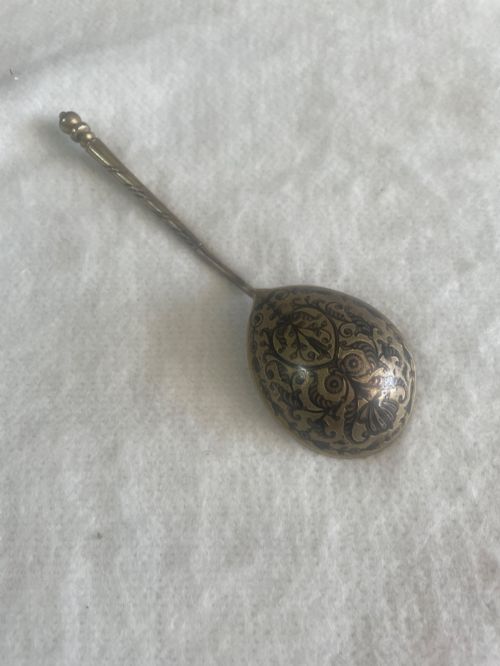
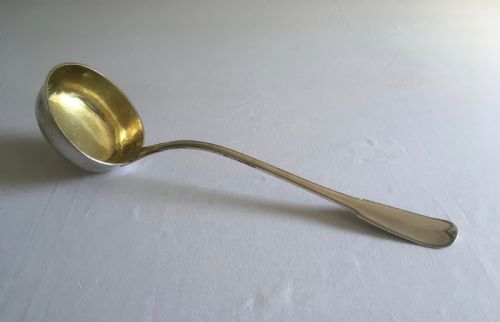
The selections available here range from small caddy spoons and delicate teaspoons to large serving ladles and sifter spoons. Continental and Russian examples often feature intricate niello or cloisonne enamel work alongside the traditional parcel-gilt finish.
Buyers will encounter various stylistic influences, including the restrained elegance of the Georgian period, the ornate detailing of Victorian sets, and the distinctive hand-wrought character of Arts and Crafts design.
How they were made
Makers fashioned these pieces primarily from solid sterling silver or continental silver, shaping the bowls and stems through traditional forging and hammering techniques. The items were then finished with a heavy gold wash, known as vermeil, applied either by traditional fire gilding or electrochemical processes in later periods.
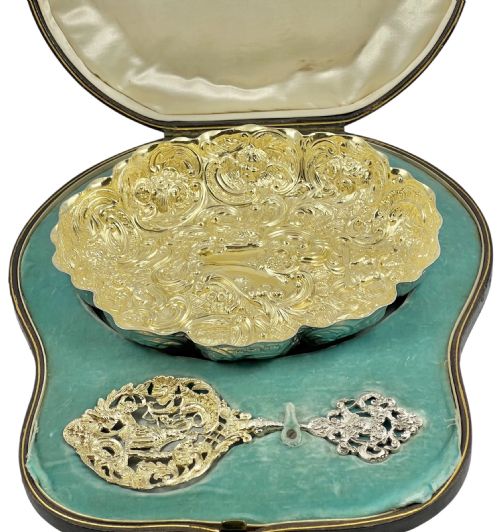
Specialised decorative spoons incorporated additional artistic methods such as cloisonne enamel and niello inlay into the silver-gilt surface. Fitted presentation cases lined with velvet and leather frequently accompanied the finest cased sets and medical kits.
Antique Vermeil Spoons Retail Price Guide 2026
Typical asking prices for vermeil spoons among the pieces listed under this phrase on Sellingantiques today, from the lower quarter to the upper quarter. They describe what is for sale here now, not the wider market.
Listings feature items spanning the Georgian, Victorian, Edwardian, and 1930s periods, incorporating sterling silver, velvet, leather, and glass.
What varies in quality
Maker marks, town marks, and date ciphers stamped into the silver provide documentary depth that elevates certain pieces. The overall weight, structural integrity of the stem, and harmony of the original fitted case also dictate the standing of an individual spoon.
William Chawner II·Vasily Agafonov
The Antique Vermeil Spoons Glossary
- Vermeil
- Sterling silver that has been coated with a layer of gold. This finish provides the visual warmth of gold combined with the structural strength of silver.
- Silver-gilt
- An alternative term for vermeil, denoting silver objects that have undergone gold plating. It appears frequently in period hallmarks and descriptive inventories.
- Caddy spoon
- A short-handled spoon specifically designed for measuring loose tea leaves from a caddy. These often feature wide, shovel-shaped bowls and decorative handles.
- Niello
- A black metallic alloy used as an inlay on engraved silver. It creates sharp contrast against the bright gilded background on Russian and continental pieces.
- Cloisonne
- An enamelling technique where decorative compartments are created by soldering flat metal wires to the metal base. The cells are then filled with coloured glass paste and fired.
Antique Vermeil Spoons: Frequently Asked Questions
What is the difference between silver and vermeil?
Standard silver consists of solid white metal alloyed for durability, whereas vermeil is sterling silver coated with a fine layer of gold.
The gold plating gives the piece a warm, yellow hue while retaining the precious metal base underneath.
How do I clean an antique vermeil spoon?
These items require gentle care to preserve the delicate gold layer over the silver base.
Harsh commercial dips and abrasive polishes will strip the vermeil finish, so warm water and a soft cloth are best.
Can I use antique vermeil spoons daily?
Many of these pieces were built for functional dining, but centuries of age warrant careful handling.
Using them for special occasions helps protect the remaining gilding from excessive friction and wear.
How do I date an unmarked silver-gilt spoon?
Dating relies on stylistic clues such as bowl shape, stem form, and decorative motifs like enamel or niello work.
Matching the manufacturing techniques to known historical periods helps narrow down the decade of creation.