


Antique Verdigris Copper
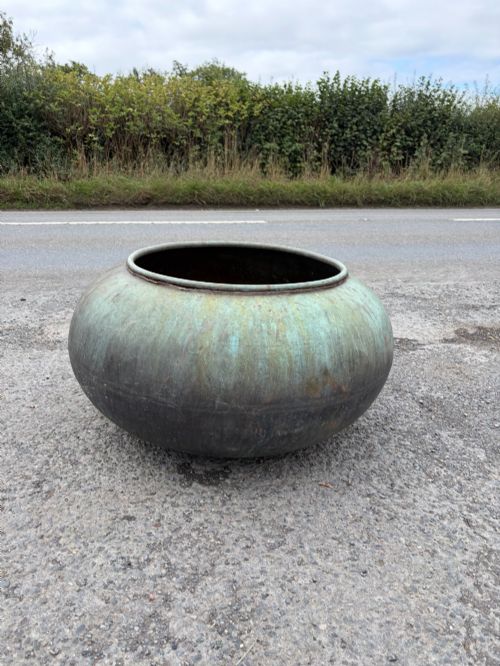
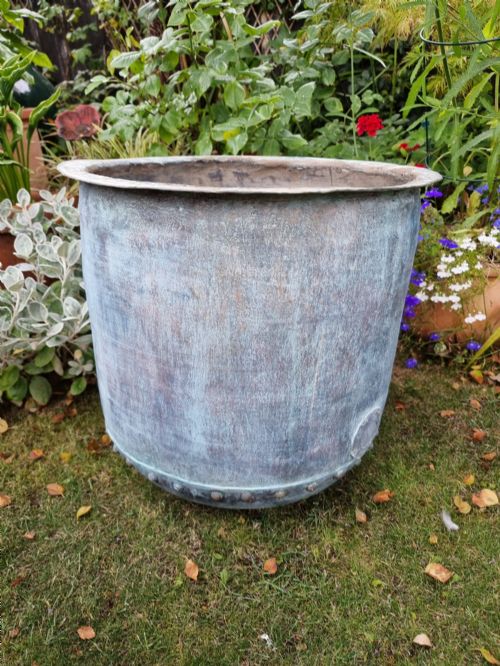
Antique verdigris copper encompasses weathered planters, lanterns, and vessels carrying deep green patinas formed over decades outdoors.
Antique Verdigris Copper
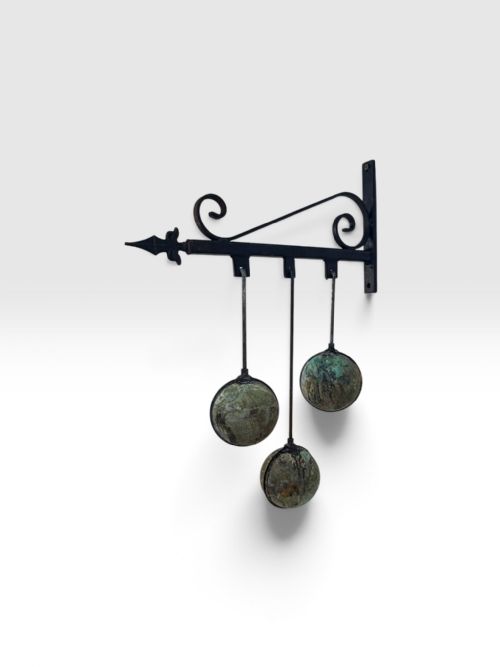
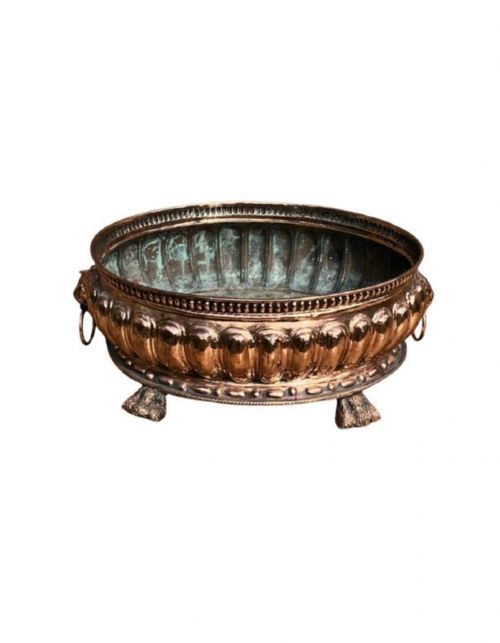
When you search for antique verdigris copper, you encounter utilitarian and decorative objects shaped from sheet metal and cast forms during the nineteenth and early twentieth centuries. These pieces span English and French country pots, architectural street lighting, garden planters, and trade signs that have weathered to a characteristic green mineral crust.
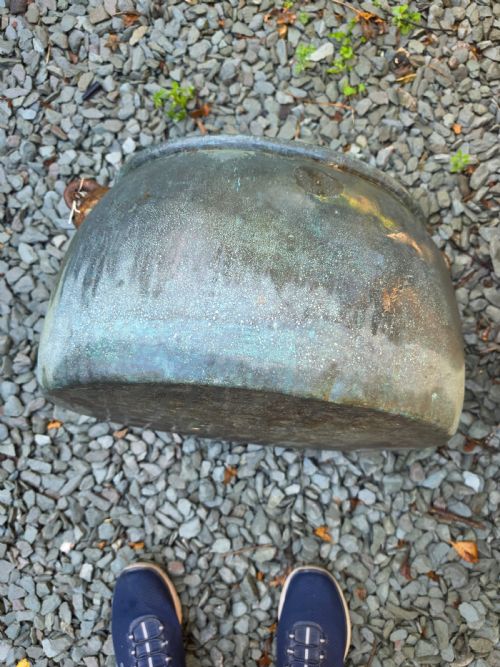
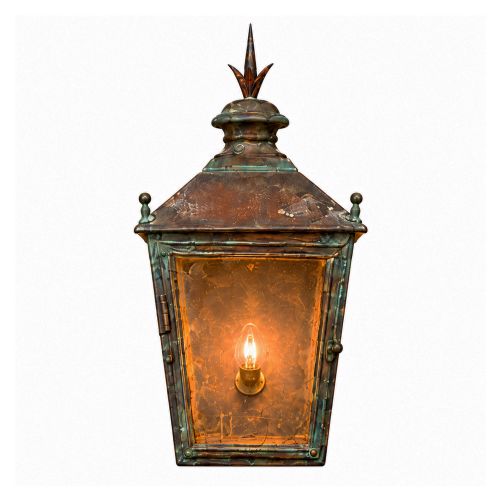
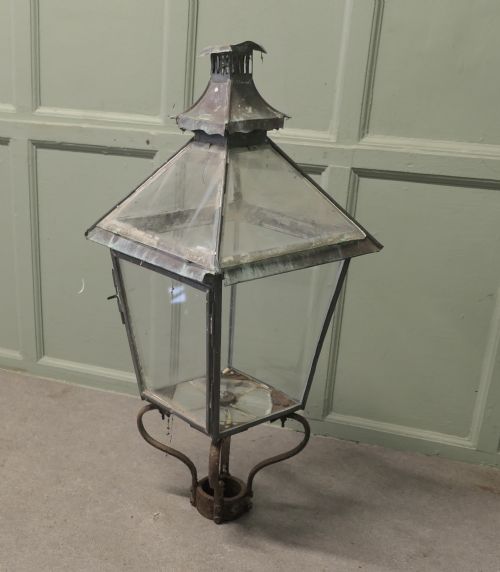
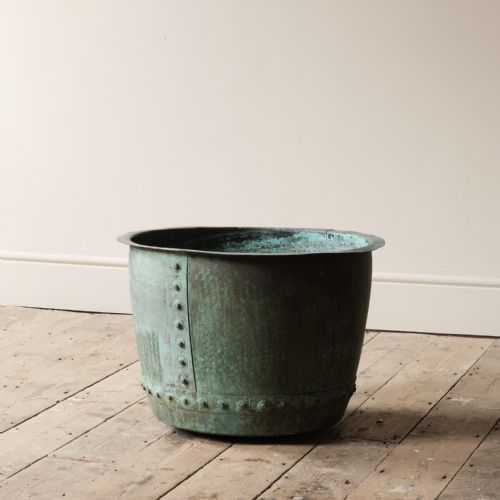
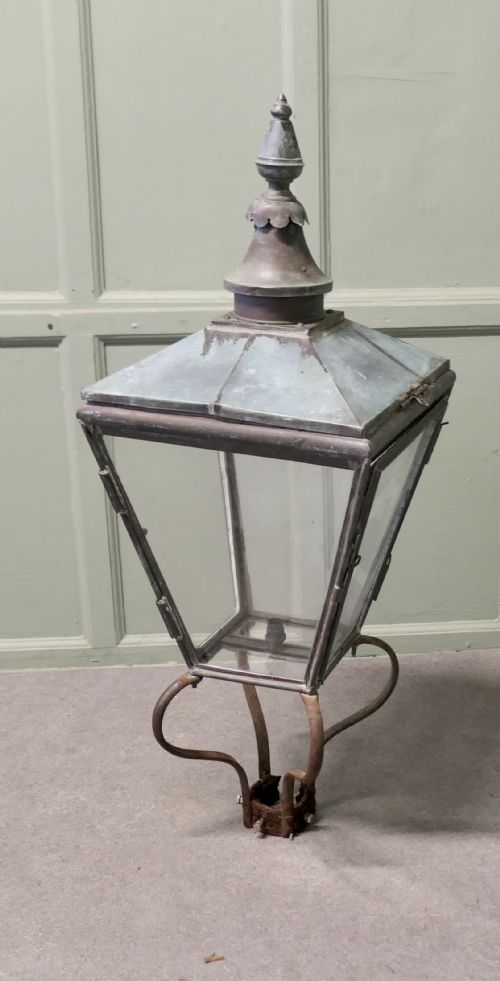
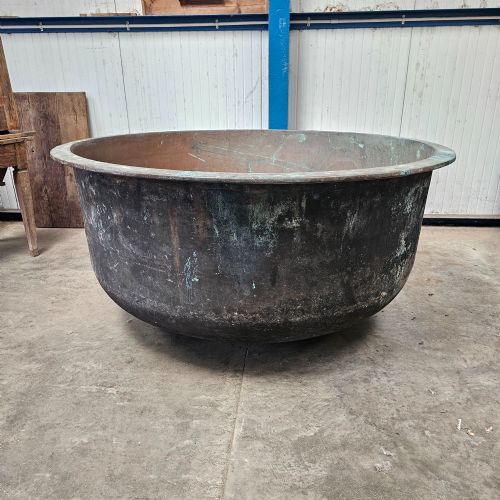
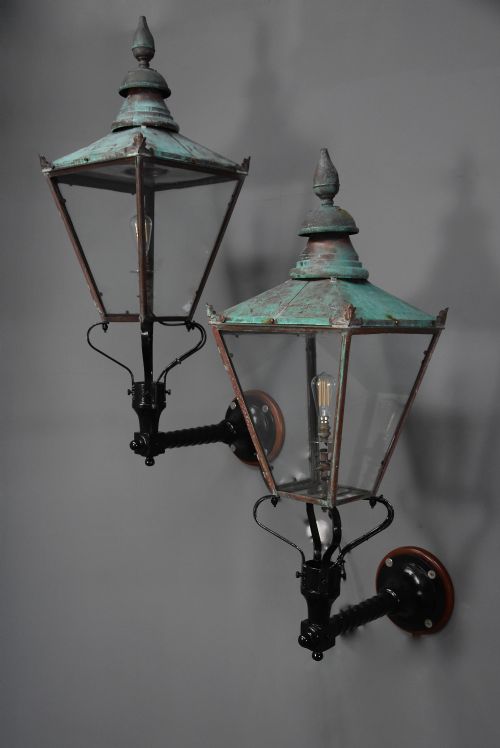
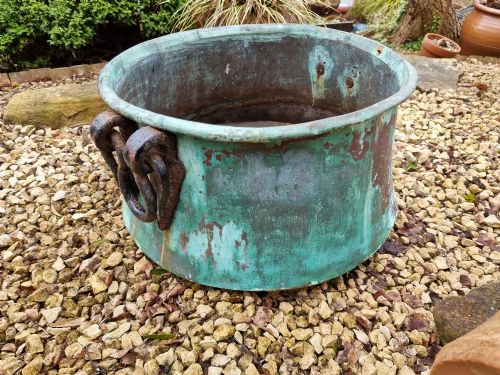
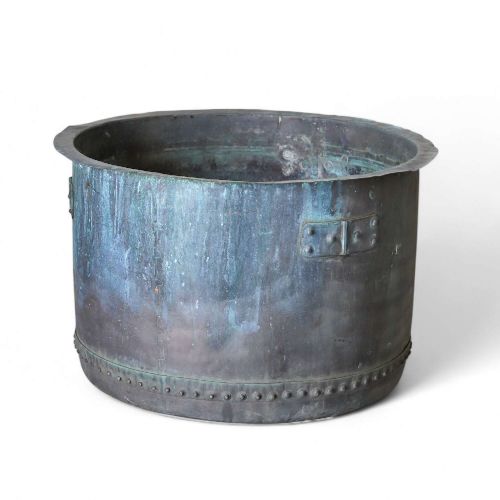
The version you are most likely to meet on this page is a large garden planter, log bin, or wall-mounted street lantern originating from the Victorian or Edwardian eras. Such items often combine copper bodies with iron brackets, brass fittings, or timber elements, reflecting their original practical service in gardens, coach-houses, and industrial settings.
Materials and construction methods
The fabrication of these pieces relies heavily on heavy-gauge sheet copper joined by hand-riveting, creating sturdy seams capable of holding water, fuel, or garden earth. Many vessels, such as cheese vats and large garden pots, utilise folded edges and reinforced rims to maintain structural rigidity under heavy loads.
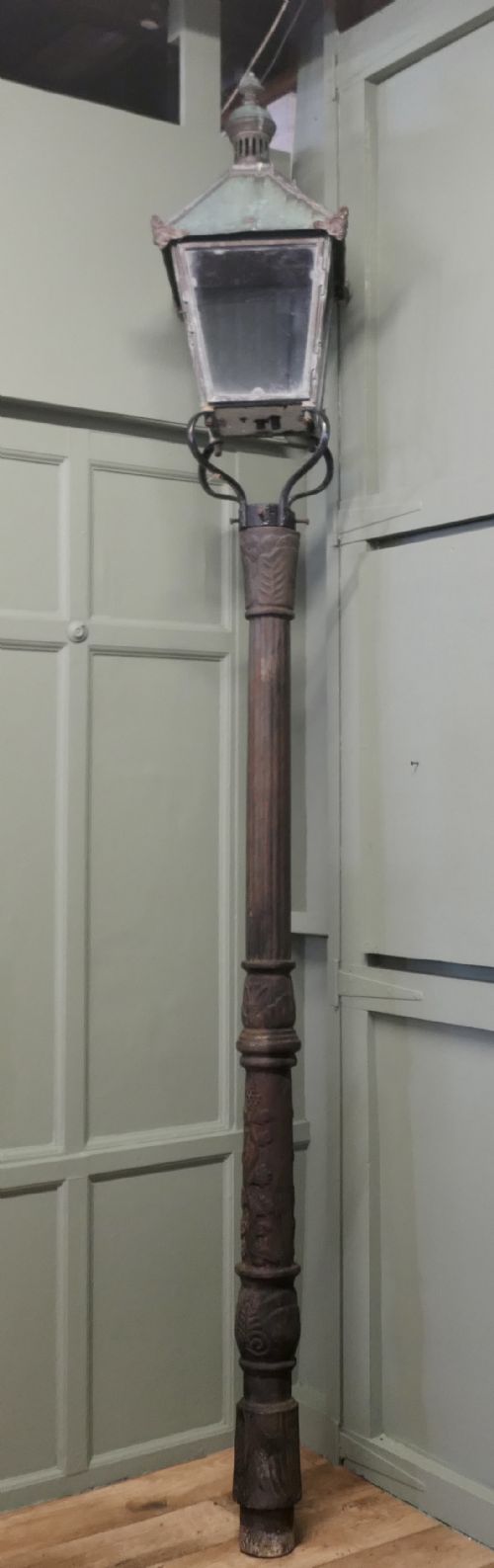
Architectural items and lanterns incorporate wrought iron or cast iron supports, sometimes paired with glass panels and brass details, to withstand outdoor exposure. The signature verdigris surface develops naturally when copper reacts over generations with moisture and atmospheric elements, though certain pieces display deliberate patination applied during manufacture.
Antique Verdigris Copper Retail Price Guide 2026
Typical asking prices for verdigris copper among the pieces listed under this phrase on Sellingantiques today, from the lower quarter to the upper quarter. They describe what is for sale here now, not the wider market.
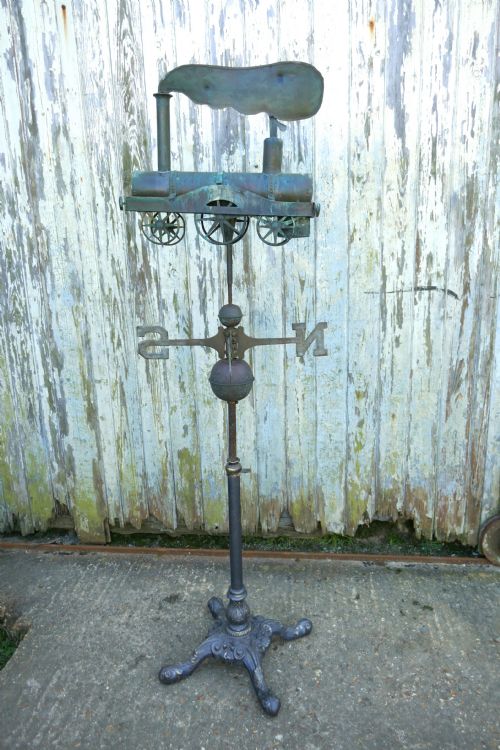
A nineteenth-century copper weathervane occasionally catches the wind and points accurately toward the garden shed.
Markers of quality and distinction
The distinction between ordinary and superior examples lies in the depth and stability of the natural patina alongside the integrity of the original construction. Hand-riveted joints executed with precision show superior craftsmanship compared to simpler machine-formed seams, while intact original brackets and uncompromised copper thickness command attention.
Proportion and scale also separate the exceptional from the standard, particularly in large garden display pots, weather vanes, and matched pairs of coach-house lanterns. Pieces retaining their original functional ironwork or glass components demonstrate greater architectural context and survival of form.
The Antique Verdigris Copper Glossary
- Verdigris
- A green coating or patina formed naturally on copper, brass, or bronze surfaces through long-term exposure to atmospheric elements and moisture. This oxidation layer protects the underlying metal while providing a distinct aesthetic surface.
- Riveted
- Joined together using metal pins hammered flat to secure overlapping sheets of copper. This technique was standard for vessels requiring strong, watertight seams before modern welding.
- Patina
- The surface appearance altered by age, wear, handling, and exposure to the environment. In copper objects, a rich patina encompasses various shades of brown, red, and green.
- Weathervane
- An architectural instrument mounted on roofs to show the direction of the wind, often featuring decorative copper silhouettes of animals or symbolic shapes.
Antique Verdigris Copper: Frequently Asked Questions
How do I clean verdigris copper?
You should generally leave the surface undisturbed, as washing away the verdigris removes the protective oxidation and historical character that collectors value. Gentle dusting with a dry cloth is sufficient for maintenance.
If dirt accumulation obscures the detail, rinsing with plain water and soft brushing is the safest approach. Avoid harsh chemical cleaners or metal polishes, which strip away the aged surface entirely.
Can these copper pieces stay outside?
Most of these items spent decades outdoors on coach-houses, garden walls, or lawns, meaning they are inherently weather-resistant. Copper naturally resists deep corrosion because the surface patina acts as a barrier against further decay.
For pieces containing iron brackets, glass panels, or wood components, winter protection or sheltered placement helps preserve fragile elements. Checking that drainage holes remain clear prevents water accumulation during freezing weather.
How do I date an antique copper pot?
Dating relies on examining the construction methods, such as hand-hammered seams versus machine rolling, along with the style of handles and fixings. Nineteenth-century examples often feature irregular hand-cut riveting and heavier gauge metal.
Comparing the form to known Victorian or Edwardian utilitarian catalogues provides further context. The presence of specific maker marks or trade signs also helps narrow the production period.
What is a copper coppers vessel?
A copper coppers vessel refers to a large historic boiler or washing vat traditionally used for heating water over a fire. These substantial containers were essential in domestic laundries and breweries.
Today, they are repurposed as log bins or garden planters due to their durable construction and decorative scale. Their generous proportions make them practical for modern interior and exterior styling.