


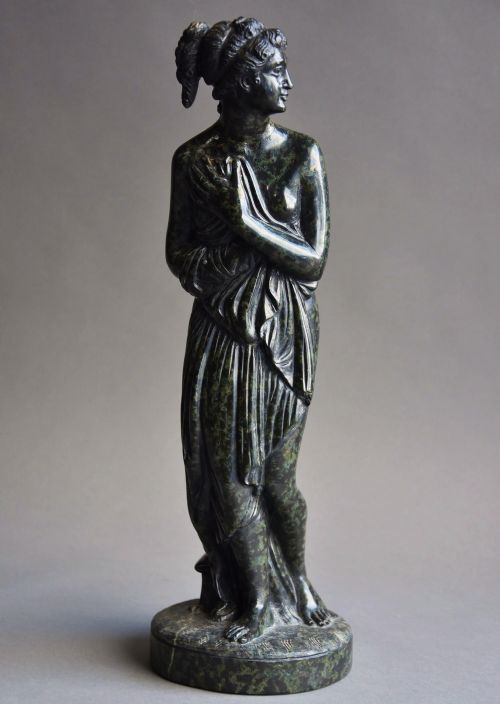
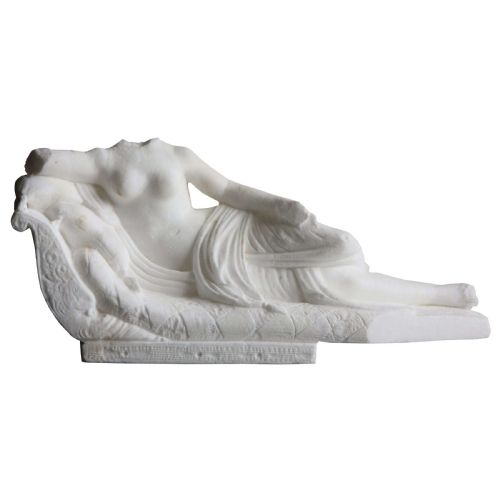


Antique Venus Figure
An antique venus figure brings classical mythology into a room, capturing centuries of sculptural tradition in bronze, marble and stone.
Antique Venus Figure
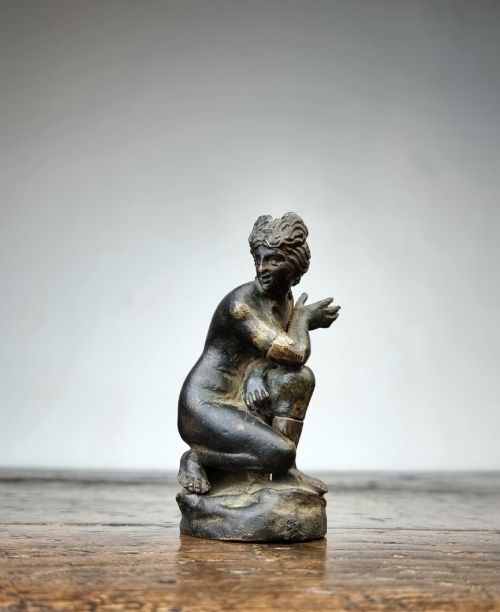
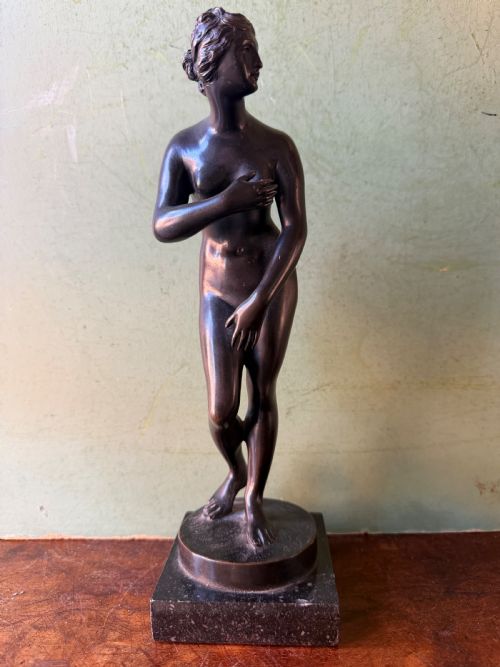
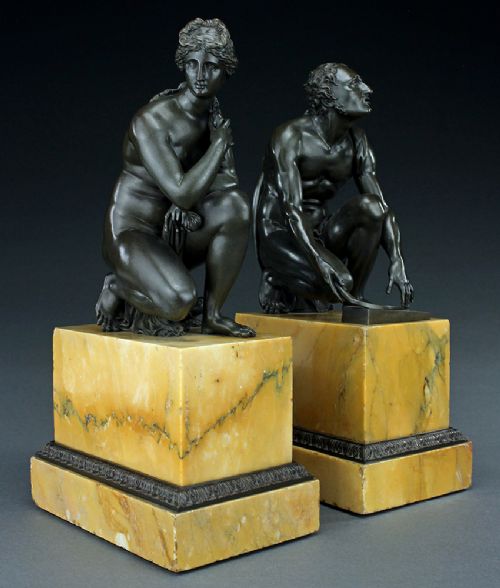
An antique venus figure represents the goddess of love through various classical iterations, most notably the Venus de Milo, the crouching Venus, and Canova's Venus Italica. These pieces span from small Grand Tour souvenirs to large nineteenth century bronze reductions and carved marble sculptures.
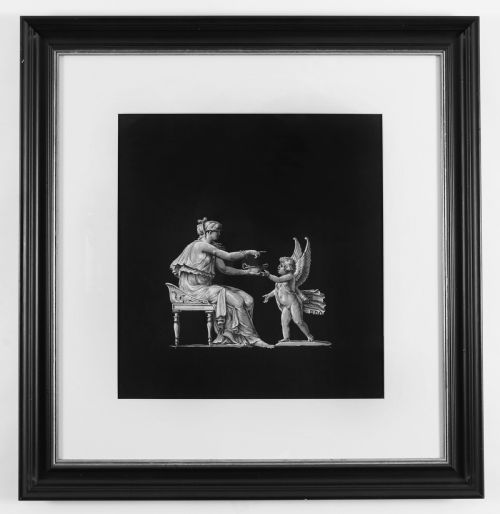
Most examples found on this page date from the nineteenth century, including Grand Tour pieces brought back from Italy, alongside earlier seventeenth century bronzes and later twentieth century works. Formats range from freestanding statuettes on marble bases to framed gouache paintings and garden statues.
Buyers encounter these figures in materials such as patinated bronze, cast stone, serpentine, and Carrara marble, reflecting the enduring nineteenth century revival of neoclassical and baroque styles. Such sculptures function as decorative focal points that connect domestic interiors with classical antiquity.
Materials and methods
Bronze figures are typically cast using the lost-wax method, allowing founders to capture intricate details of drapery and anatomy before applying patination. Workshops like that of Ferdinand Barbedienne specialised in producing precise reductions of classical statuary.
Marble and stone sculptures are carved from blocks of Carrara or Siena marble, often utilising mechanical pointing machines to scale down monumental ancient works into cabinet statuettes. These pieces are frequently mounted on contrasting coloured marble bases to enhance their visual weight.
Works on paper, such as gouache paintings, utilise opaque watercolours applied to paper to depict mythological scenes involving the goddess and Cupid. These painted representations share the same neoclassical and baroque visual vocabulary as the three-dimensional statuary.
Antique Venus Figure Retail Price Guide 2026
Typical asking prices for venus figure among the pieces listed under this phrase on Sellingantiques today, from the lower quarter to the upper quarter. They describe what is for sale here now, not the wider market.
Listings feature materials such as bronze, Carrara marble, serpentine, and terracotta, spanning the seventeenth to the twentieth centuries.
Assessing quality
The choice of base materials and the quality of the patination significantly influence the standing of a piece, with rich, stable patinas and high-grade mounting stones indicating higher workshop standards. Souvenirs produced for the Grand Tour market vary from simple tourist pieces to masterworks by renowned foundries.
Ferdinand Barbedienne·Ferdinando de Luca
The Antique Venus Figure Glossary
- Grand Tour
- A traditional trip through Europe undertaken by upper-class Europeans, leading to the acquisition of souvenir art and classical sculpture reductions. These items were displayed in homes to demonstrate cultural education.
- Lost-wax casting
- A metalworking process where a molten metal is poured into a mould that has been created by means of a wax model. Once the wax is melted away, the bronze takes its exact place.
- Patination
- The ageing or chemical treatment of a metal surface that produces a characteristic colour and sheen over time. This process protects the bronze and adds visual depth to the sculpture.
- Neoclassical
- A Western cultural movement inspired by the art and culture of classical antiquity, prevalent from the eighteenth to the nineteenth centuries. It emphasises symmetry, restraint, and classical mythological subjects.
- Reduction
- A smaller scale copy of a larger monumental statue, often produced in bronze during the nineteenth century. These allowed collectors to own manageable versions of famous museum pieces.
Antique Venus Figure: Frequently Asked Questions
What is a Grand Tour Venus?
A Grand Tour Venus is a souvenir sculpture purchased by travellers visiting Italian collections during the eighteenth and nineteenth centuries. These reductions allowed collectors to bring miniature versions of famous ancient statues back to their home countries.
They were typically cast in bronze or carved from marble and mounted on stone bases for display in studies, libraries, or drawing rooms.
How do I identify a bronze reduction?
Bronze reductions are smaller-scale copies of monumental classical statues, often produced by professional foundries using precise measurements. They capture the proportions of the original ancient works while fitting domestic interior spaces.
Look for foundry marks or stamps on the base, as well as the fine chisel work that indicates high-level nineteenth-century metal finishing.
Where should I display a marble figure?
Marble figures require a stable surface with adequate weight capacity, such as a sturdy console table, a dedicated pedestal, or a mantelpiece. Placing them away from direct heat sources prevents thermal shock to the stone.
Good ambient lighting from the side helps to accentuate the carved drapery and the translucent quality of the marble.
How do I care for antique bronze?
Antique bronze requires minimal intervention and should only be dusted gently with a soft, dry microfibre cloth. Avoid using water, polishes, or chemical cleaners, which can strip the historic patination from the metal.
Occasional light application of microcrystalline wax can protect the surface if the bronze is kept in a dry environment.