



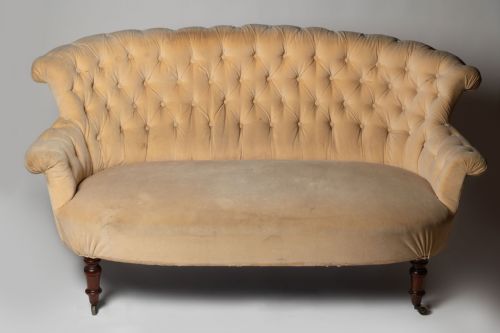


Antique Velvet Backing Frame
An antique velvet backing frame brings tactile warmth and period character to interiors through its combination of rich textile and structured support.
Antique Velvet Backing Frame
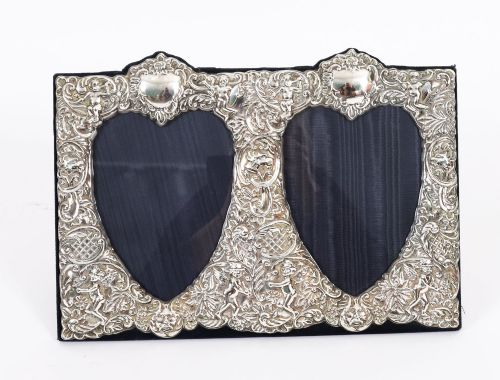
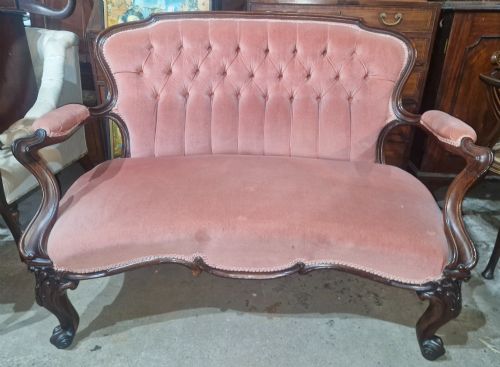
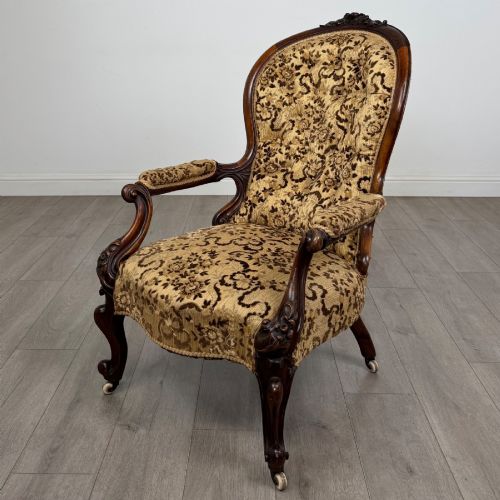
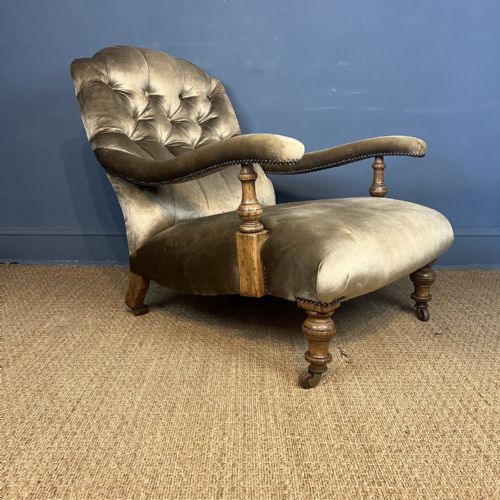
When you search for an antique velvet backing frame, you encounter objects spanning the Victorian and Edwardian eras, where textile backings support photo frames, mirrors, and upholstered furniture.
The pieces appearing on this page encompass various applications of fabric-backed supports, merging functional display elements with decorative frames.
Most examples originate from the nineteenth and early twentieth centuries, reflecting the period's preference for rich textures behind glass and silverware.
Factors of quality
The standard of carving and the selection of timber dictate the excellence of the wooden elements, separating standard production from finer workmanship.
The preservation and quality of the textile backing, alongside the weight and hallmarks of any silver mounts, determine the overall execution of the piece.
Antique Velvet Backing Frame Retail Price Guide 2026
Typical asking prices for velvet backing frame among the pieces listed under this phrase on Sellingantiques today, from the lower quarter to the upper quarter. They describe what is for sale here now, not the wider market.
Silver photo frames often retain their original velvet backs, which have absorbed countless secret messages tucked behind portraits over the centuries.
Henry Matthews·Walker and Hall·Howard and Sons
The Antique Velvet Backing Frame Glossary
- Velvet
- A woven tufted fabric with a dense pile, providing a soft texture frequently utilised for backing and upholstery.
- Sterling silver
- A silver alloy containing 92.5 percent pure silver, commonly used for the manufacture of ornate photo frames and easel mirrors.
- Walnut
- A hard timber valued for its rich grain and dark colour, frequently selected for Victorian framing and furniture.
- Easel back
- A hinged support attached to the rear of a frame, allowing it to stand upright on a surface.
Antique Velvet Backing Frame: Frequently Asked Questions
What periods do these frames come from?
The pieces span the Victorian and Edwardian eras, with dates stretching from the mid-nineteenth century into the early twentieth century.
Craftsmen of these periods utilised traditional timber framing alongside textile backings to create functional display items.
How should I clean velvet backing?
Velvet requires gentle brushing with a soft-bristled brush to remove dust and maintain the nap of the fabric.
Avoid using water or chemical cleaners directly on antique textiles to prevent permanent staining and fibre damage.
Are sterling silver frames hallmarked?
Many silver frames incorporate British hallmarks denoting the assay office, city, and year of manufacture.
These small stamped marks help verify the period and origin of the metalwork.
How do easel backs function?
An easel back uses a hinged strut attached to the velvet-covered rear panel to support the frame at an angle.
This mechanism allows tabletop display without the need for wall hanging.