

Antique Vanity
An antique vanity brings personal grooming into the historic interior through dressing tables, mirrors, and fitted boxes.
Antique Vanity
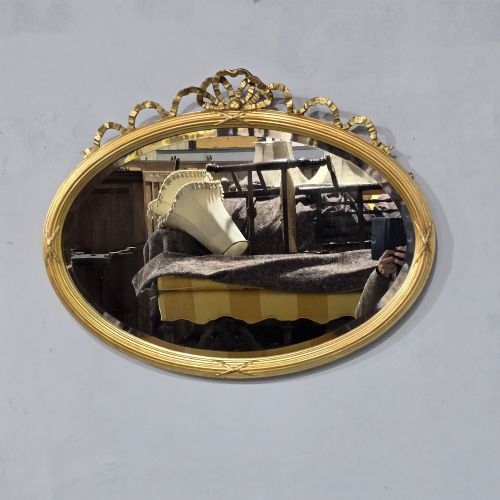
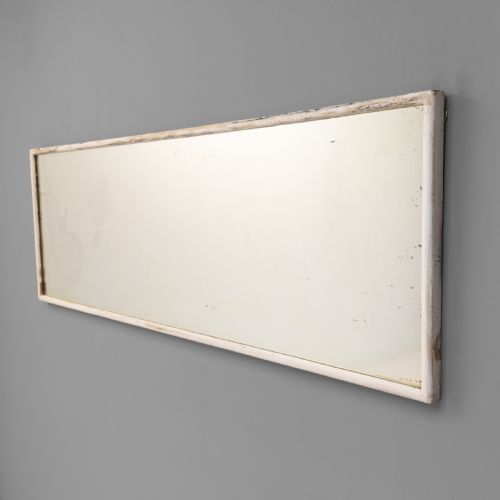
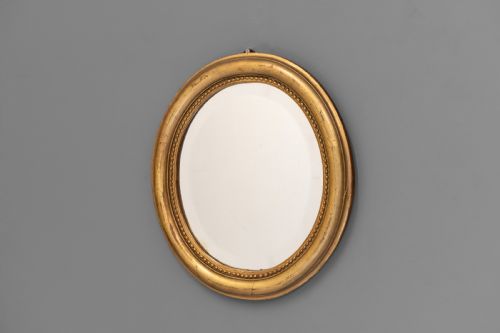
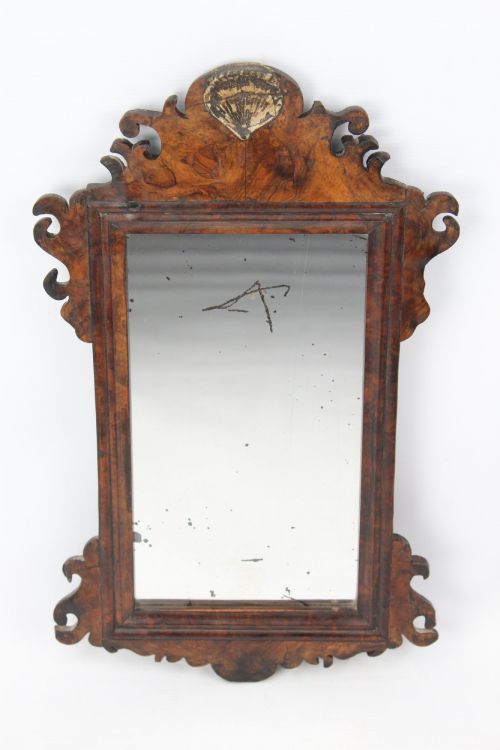
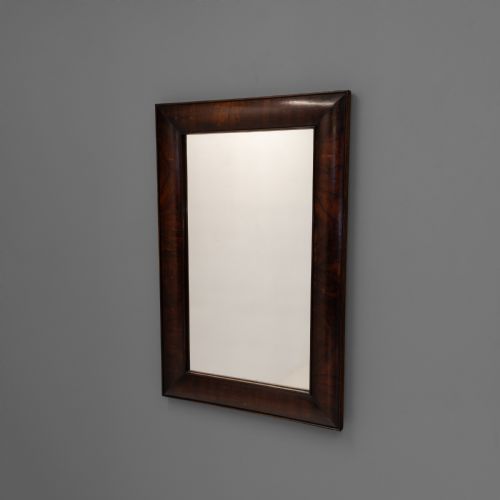
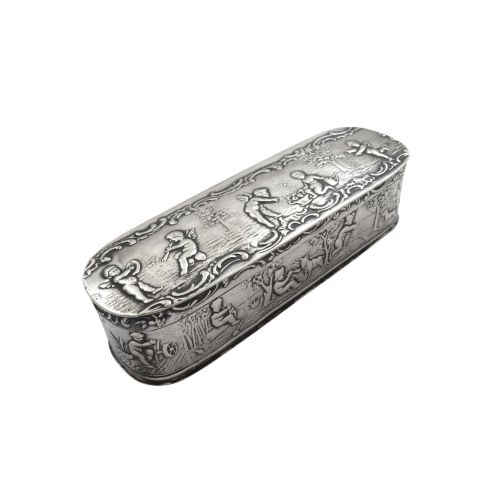
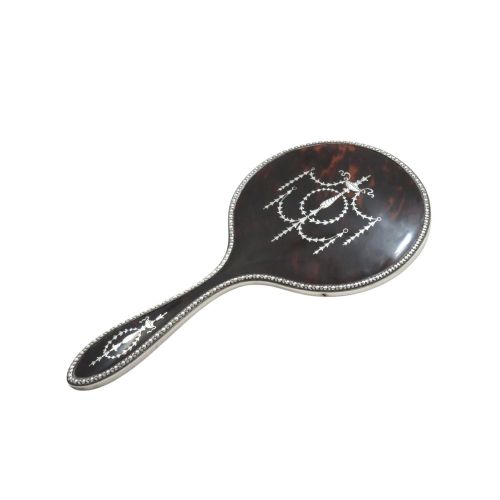
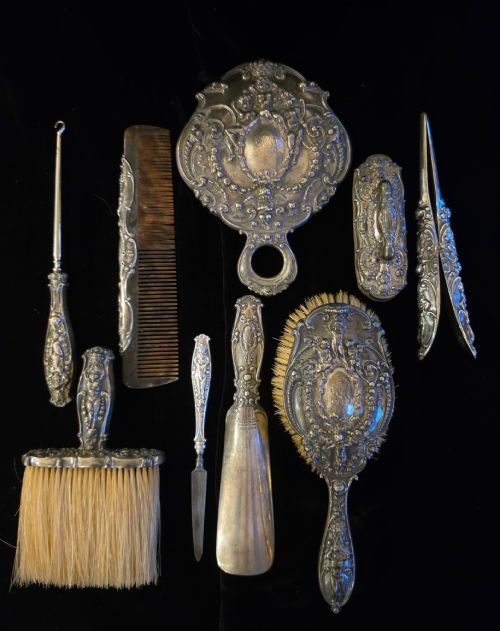
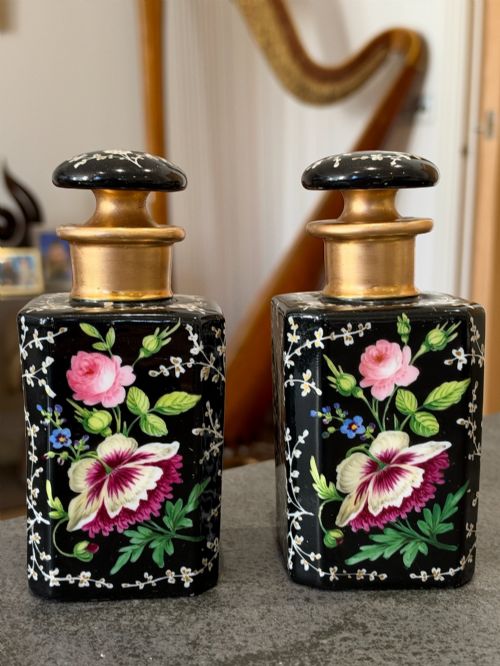
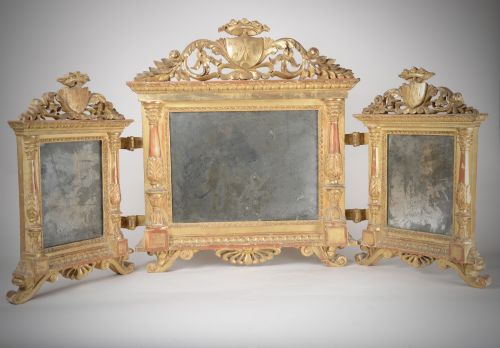
When buyers search for an antique vanity, they encounter a diverse range of furniture and accessories designed for grooming and personal care. Dressing tables form the centrepiece of this category, accompanied by smaller accessories such as scent bottles, trinket boxes, and mirrors.
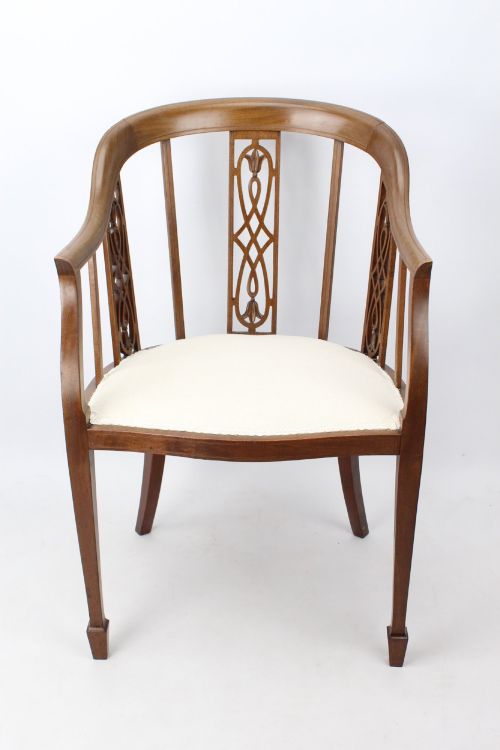
The pieces represented on this page span several centuries, with particular strength in Victorian and Edwardian examples alongside Georgian and Regency specimens. Mahogany and walnut appear frequently as the primary woods for dressing tables and lowboys, while smaller items utilise sterling silver, glass, and brass.
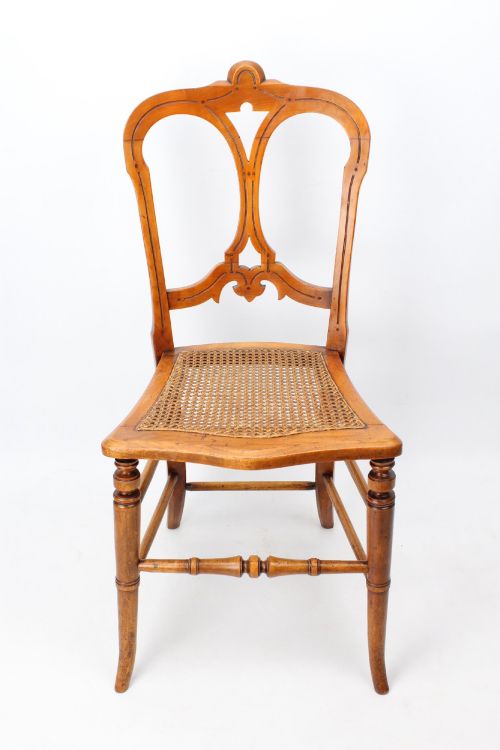
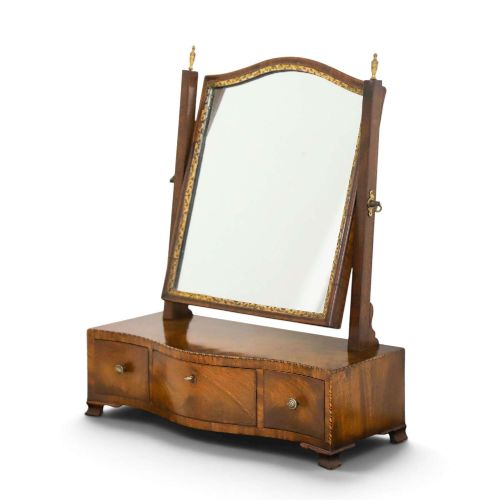
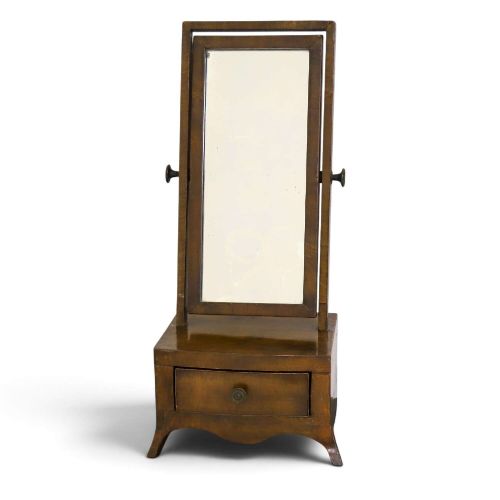
Forms vary from serpentine-fronted dressing tables with integrated mirrors to lowboys, shaving stands, and portable vanity items. Buyers will also find specialised seating including stools and footstools designed to accompany these dressing pieces.
Materials and Construction
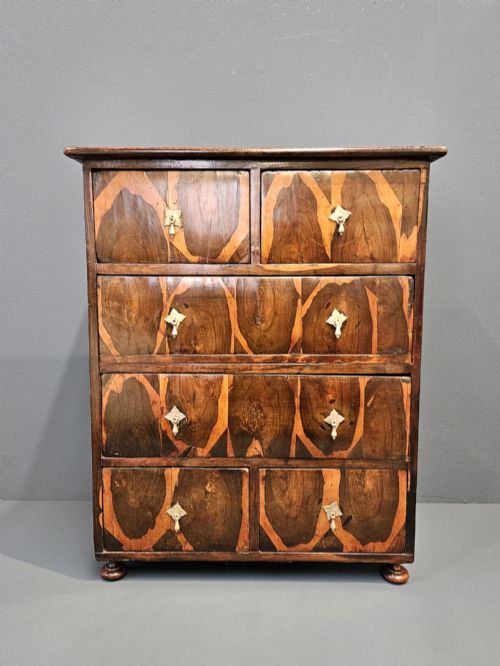
Cabinet makers utilised dense timber stocks such as mahogany, walnut, oak, and yew, often selecting figured veneers and burr walnut or burr maple for visual depth on drawer fronts and tabletops. Solid woods formed the structural frames, legs, and galleries of dressing tables and lowboys.
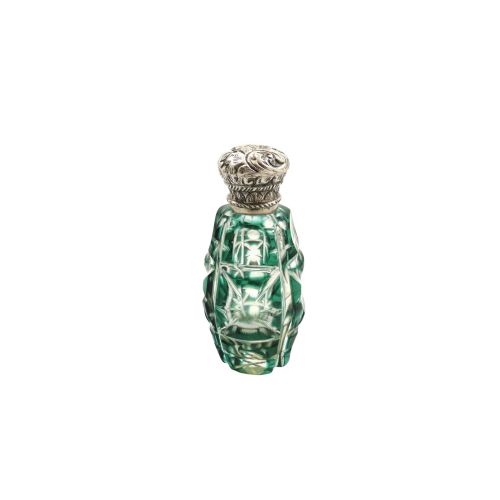
Metalworking and glass production played an essential role in smaller vanity articles. Silversmiths mounted cut glass, crackle glass, and Bristol blue or green glass with sterling silver or silver gilt tops, occasionally incorporating enamel painting or porcelain plaques.
Antique Vanity Retail Price Guide 2026
Typical asking prices for vanity among the pieces listed under this phrase on Sellingantiques today, from the lower quarter to the upper quarter. They describe what is for sale here now, not the wider market.
Distinctions in Quality
The finest pieces demonstrate careful selection of timber figure, such as matched burr walnut or figured mahogany, paired with crisp hand-carved details or precise inlay work. Lesser examples rely on plain timber stocks with simpler joinery and minimal ornamentation.
Hardware and secondary elements reveal the standard of manufacture. Original stamped silver mounts, maker marks on furniture, and high-grade cut glass distinguish superior vanity items from utilitarian equivalents.
Flashman & Co·Sampson Mordan·Loidrault Freres Paris·Rene Lalique
The Antique Vanity Glossary
- Lowboy
- A small oak or walnut table with drawers, functioning as an early form of dressing table or side table during the Georgian period.
- Dressing Table
- A dedicated table fitted with drawers and frequently incorporating mirrors, utilised for personal grooming.
- Scent Bottle
- A small glass container fitted with a silver or metal top, designed to hold perfume on a vanity surface.
- Shaving Stand
- A specialised tall stand with a mirror and surfaces for shaving implements, popular during the Victorian era.
- Gallery
- A raised wooden edge or rail running along the top of a table or stand to prevent items from sliding off.
Antique Vanity: Frequently Asked Questions
What is an antique vanity?
An antique vanity encompasses furniture and small objects used for personal grooming and dressing. This includes dressing tables, lowboys, scent bottles, and trinket boxes from past centuries.
These pieces reflect the shifting domestic habits and interior fashions of the Georgian, Victorian, and Edwardian eras.
How were lowboys used?
Lowboys served as multi-purpose small tables in bedrooms and parlours, often functioning as dressing tables before larger dedicated tables became common.
Their drawer space accommodated personal items, cosmetics, and documents while maintaining a compact footprint.
How do I date an antique vanity?
Dating relies on identifying the prevailing style, construction methods, and materials associated with specific periods like the Georgian or Edwardian eras.
Secondary woods, drawer linings, and maker marks or stamps provide further evidence of precise manufacture dates.
Are vanity items made of solid wood?
Many dressing tables and lowboys utilise solid timbers such as oak, mahogany, or yew for their structural frames and drawer boxes.
Cabinet makers also applied figured veneers, including burr walnut and burr maple, over sound underlying woods to create decorative surfaces.