


Antique Vanity Display
An antique vanity display sets dressing tables and dressing rooms apart, offering practical organisation alongside period charm.
Antique Vanity Display
An antique vanity display encompasses items designed for grooming spaces, dressing tables, and display surfaces. These pieces include trays, display domes, hatpin stands, perfume bottles, wig stands, and travel cases.
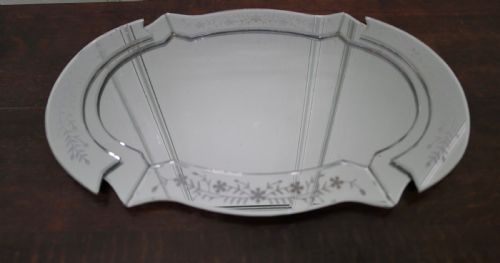
The selection ranges from Georgian mahogany wig stands and Victorian glass display domes to Edwardian silver hatpin stands and Art Deco Venetian cut glass mirror wine trays.
Buyers will find domestic dressing table accessories alongside shop display items, reflecting both personal grooming habits and retail presentation from the Georgian era through to the 1930s.
How they were made
Makers utilised glass and mirror alongside metals such as brass and sterling silver to create reflective surfaces and structural mounts. Glazed earthenware and Scottish art pottery provided colourful ceramic elements for trays and stands.
Organic materials like leather, vellum, velvet, and kingwood formed the bodies of travel cases, display boxes, and fitted luggage. Cutting, silver-topping, painting, and cabinet-making shaped these diverse materials into functional display items.
What varies in quality
The calibre of an antique vanity display depends on the refinement of its materials and the execution of its decorative details, such as hand-cut glass or majolica panels. Pieces bearing maker or retailer marks generally demonstrate superior workshop standards.
Integrity of construction and the preservation of original fitted components, linings, and hardware separate standard utilitarian objects from finer examples intended for elite domestic or retail display.
Crisford and Norris·Harrods
The Antique Vanity Display Glossary
- Hatpin stand
- A weighted receptacle designed to hold decorative hatpins upright on a dressing table. These stands frequently feature sterling silver mounts or ceramic bodies.
- Display dome
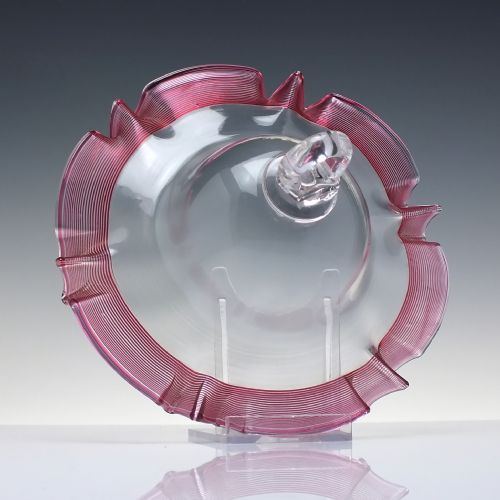
- A blown glass cover paired with a base, utilised to protect and exhibit delicate curiosities or grooming items. They preserve fragile objects from dust in domestic interiors.
- Wig stand
- A carved wooden or turned pedestal used to support and shape a wig when not in use. Georgian examples often showcase traditional cabinet-making skills in mahogany.
- Plateau mirror
- A mirrored tray placed on a table surface to reflect candlelight or display decorative objects. Jeweller versions provided an elevated reflective platform for small wares.
Antique Vanity Display: Frequently Asked Questions
What is an antique vanity display?
An antique vanity display comprises accessories and vessels used on dressing tables or in shops for grooming and presentation.
Items range from silver hatpin holders and crystal perfume bottles to mirrored trays and display domes.
How were glass domes used?
Glass domes protected delicate decorative objects and grooming items from dust while allowing them to remain visible on display.
They sat upon fitted bases in domestic settings throughout the Victorian period.
What materials are common?
Common materials include cut glass, mirrored glass, sterling silver, brass, leather, velvet, and glazed earthenware.
Maker choices depended on whether the item was intended for daily travel or static dressing table use.
How do I date these pieces?
Dating relies on stylistic markers associated with periods like the Georgian era, Victorian times, Edwardian years, and Art Deco.
Silver components often bear hallmarks providing specific assay office years and maker marks.