



Antique Upholstery Side Chairs
Antique upholstery side chairs offer solid timber frames and period textiles, bringing functional seating and historic character directly into a room.
Antique Upholstery Side Chairs
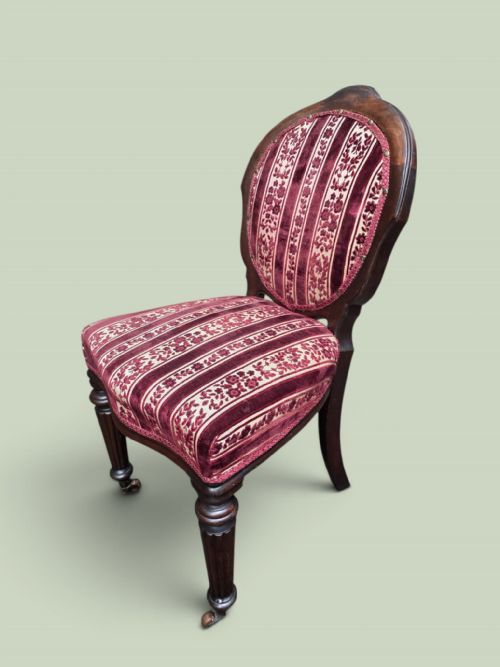
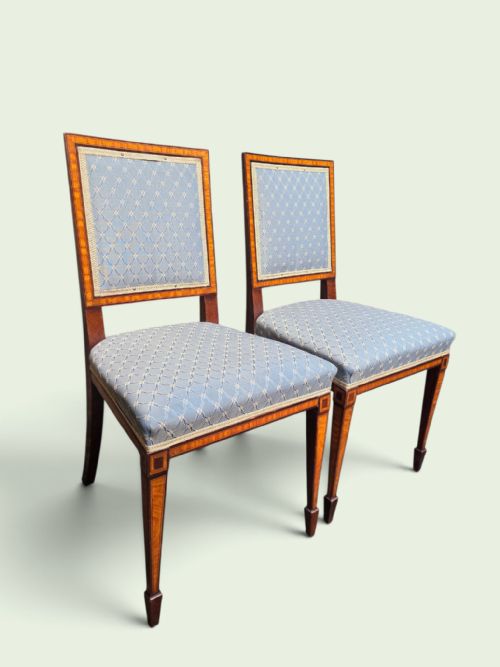
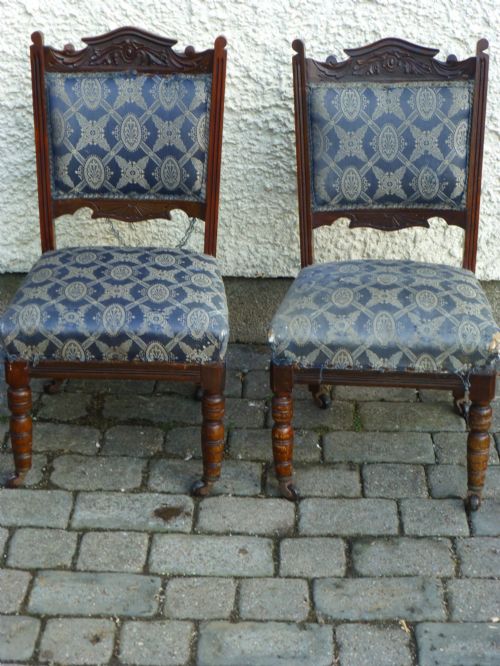
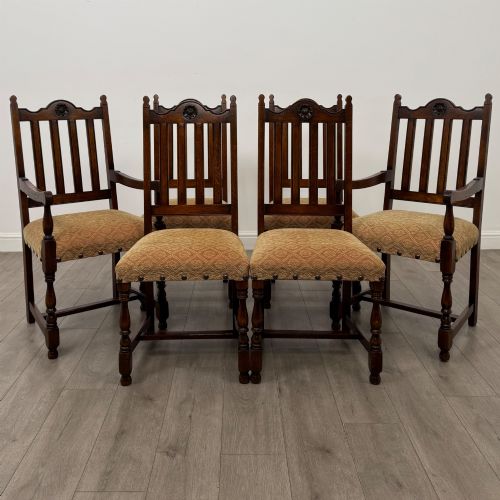
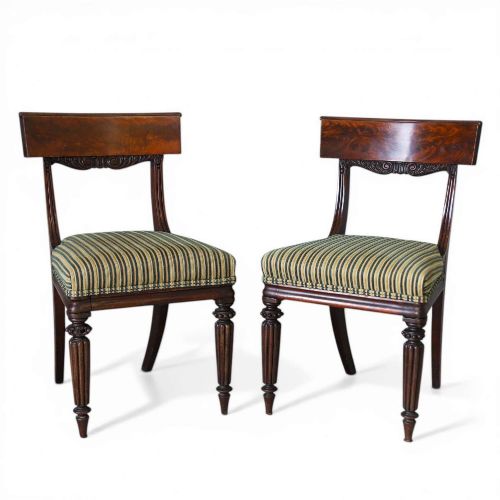
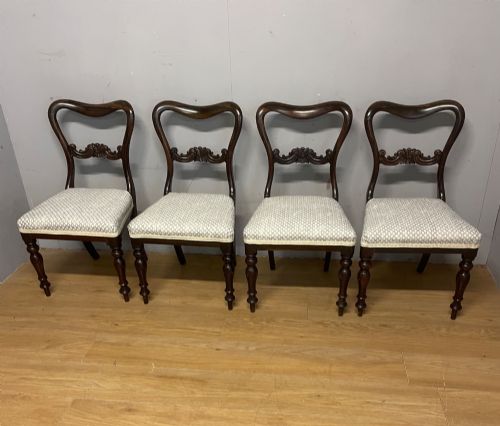
Antique upholstery side chairs encompass a variety of seating forms designed for dining rooms, bedrooms, and drawing rooms across multiple centuries. Buyers searching this phrase encounter dining chairs, nursing chairs, bedroom chairs, and desk chairs spanning the seventeenth century through to the early twentieth century.
The selections available here frequently showcase Victorian and Edwardian periods alongside Georgian, William IV, and seventeenth-century examples. Walnut and mahogany frame woods appear regularly, paired with diverse coverings such as velvet, silk damask, and modern fabric replacements.
Side chairs in this category often feature supportive upholstered backs and seats without armrests, making them adaptable for placement around tables or against walls. Many listings provide frames ready for re-upholstery or feature recent textile updates.
How they were made
Timber frames form the structural core of these chairs, utilising woods such as mahogany, walnut, oak, fruitwood, and rosewood. Joinery techniques and turned or carved details define the stylistic periods, from William IV mahogany to Jacobean Revival oak.
Upholstery methods incorporate traditional stuffing and springs secured beneath textiles including velvet, silk damask, and geometric fabrics. Brass castors frequently support the legs of Victorian bedroom and nursing chairs for mobility.
Antique Upholstery Side Chairs Retail Price Guide 2026
Typical asking prices for upholstery side chairs among the pieces listed under this phrase on Sellingantiques today, from the lower quarter to the upper quarter. They describe what is for sale here now, not the wider market.
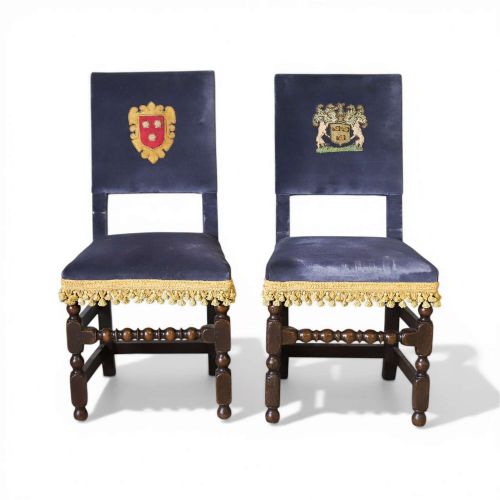
Seventeenth-century Scottish clan chairs carry heraldic crests, proving that even a dining seat once needed to state its family loyalties.
What varies in quality
Timber selection and the intricacy of frame carving dictate the baseline quality of the piece, distinguishing standard utility seating from high-status furniture. Suites and matched sets demonstrate greater consistency across multiple chairs than individual assembled pieces.
The integrity of the underlying woodwork and the fidelity of period upholstery materials influence the overall character of the chair. Pieces retaining original textiles or showing meticulous restoration command distinct attention from collectors.
The Antique Upholstery Side Chairs Glossary
- Side chair
- A chair without arms, designed primarily for dining or occasional use around a room. These forms sit easily against walls or at the sides of tables.
- Nursing chair
- A low-seated chair traditionally used in bedrooms or nurseries for comfort. They often feature high backs and upholstered frames suited to domestic spaces.
- Balloon back
- A rounded, curved chair back shape popular during the Victorian era. This contour mimics the silhouette of a filled balloon.
- Giltwood
- Timber treated with a thin layer of gold leaf or gilt finish. This decorative surface treatment appears on formal Louis XVI style frames.
- Button back
- An upholstery style where depressions are formed in the padding by stitching buttons through to the frame. This technique secures deep cushioning and creates a patterned texture.
Antique Upholstery Side Chairs: Frequently Asked Questions
What is an antique side chair?
An antique side chair is an armless seat produced in a past century, intended for dining rooms, halls, or occasional use.
These pieces rely on their timber frames and textile upholstery to provide both functional seating and period style.
How do I date an antique chair?
Dating relies on examining the timber species, joinery methods, turned leg details, and stylistic influences present in the frame.
Comparing these physical characteristics with known period designs helps place the piece within a specific century or decade.
Can I re-upholster an antique chair?
Many antique chairs are acquired specifically for re-upholstering to match contemporary interiors or restore damaged textiles.
Frames often accommodate new fabric coverings while retaining their historic wooden structure and underlying padding.
Where were side chairs used?
Side chairs served multiple rooms in historic homes, including dining rooms, bedrooms, drawing rooms, and studies.
Their armless design allowed them to slide beneath tables or fit neatly into smaller spaces around the house.