






Antique Two Light Chandelier
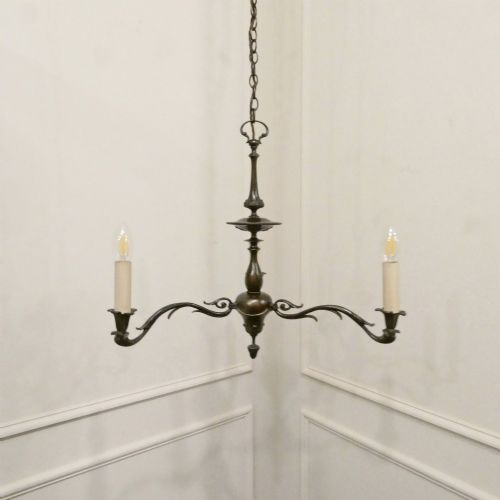
An antique two light chandelier brings focused illumination and period character to a compact room, offering authentic lighting from past centuries.
Antique Two Light Chandelier
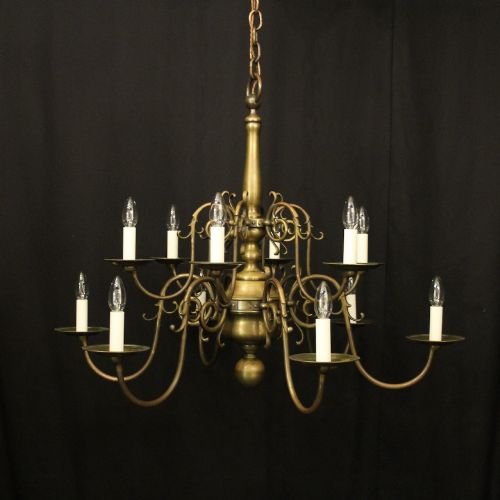
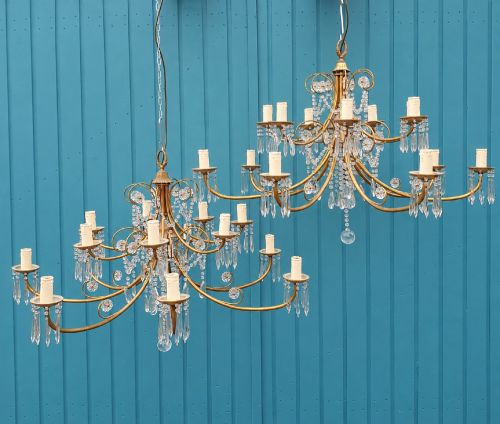
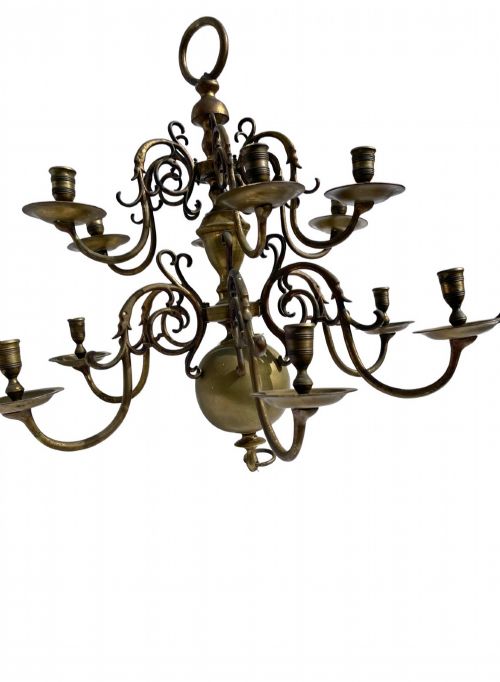
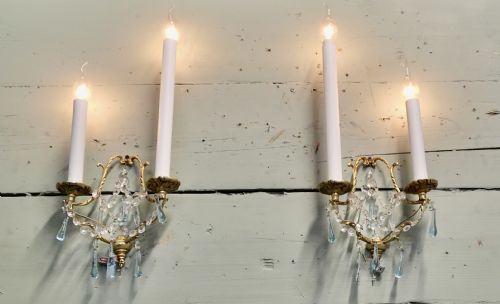
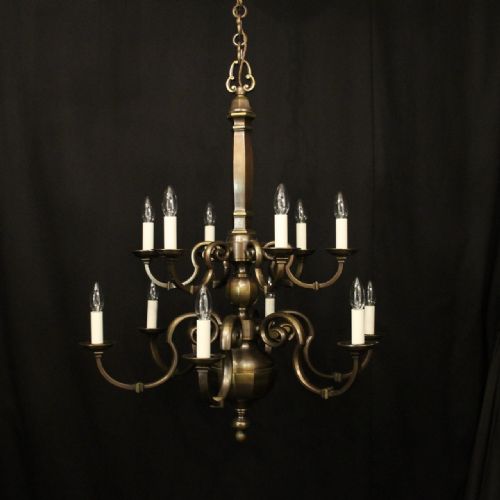
An antique two light chandelier encompasses hanging ceiling fixtures and wall-mounted pieces designed to hold a pair of light sources. The selection includes items spanning from the eighteenth century through the mid twentieth century, drawing on diverse stylistic traditions.
Buyers encounter examples shaped by French Chateau, Dutch Baroque, Italian Florentine, and Gothic Revival aesthetics. Materials range from traditional brass and bronze to cut glass, crystal, and gilt metal.
While many historic lighting fixtures carry numerous branches, a dedicated antique two light chandelier serves smaller spaces or intimate corners while retaining the craftsmanship of larger counterparts.
Materials and construction
Metalworking formed the backbone of these fixtures, utilising brass, bronze, and gilt metal shaped through casting and hammering. These metals provided the structural strength required to support arms and hanging elements.
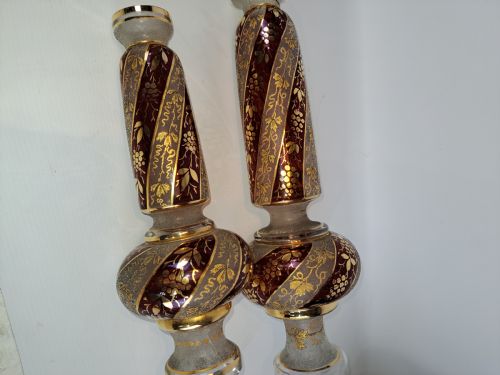
Glass and crystal components added reflective quality, incorporating cut glass, frosted glass, and ruby glass elements. Artisans assembled these pieces by hand, securing drops and stems within metal frameworks.
Antique Two Light Chandelier Retail Price Guide 2026
Typical asking prices for two light chandelier among the pieces listed under this phrase on Sellingantiques today, from the lower quarter to the upper quarter. They describe what is for sale here now, not the wider market.
Listings span from the eighteenth century to the 1940s, featuring materials such as bronze, brass, crystal, and frosted glass across diverse European styles.
Assessing quality
The sophistication of the casting and metalwork separates standard production from finer creations. Crisp detailing in bronze or brass work indicates a higher level of artisan involvement.
The integration of glass and crystal elements dictates overall visual impact. Superior pieces feature hand-cut crystal drops and clear, unblemished glass that refracts light effectively.
The Antique Two Light Chandelier Glossary
- Ormolu
- Gilded bronze produced by applying a mercury and gold amalgam to a bronze base. This technique creates a durable golden finish seen on nineteenth-century French fixtures.
- Spelter
- A zinc alloy frequently utilised as a cost-effective substitute for bronze in decorative castings. It often received a bronze or gilt coating to mimic more expensive metals.
- Drop
- A shaped piece of cut glass or crystal suspended from a chandelier to catch and reflect light. These elements hang from pins or wire threaded through the fixture's frame.
- Sconce
- A wall-mounted lighting fixture designed to hold candles or electric lamps. These pieces project outward from the wall surface.
- Stem
- The central vertical shaft of a chandelier supporting the arms and decorative elements. Stems often incorporate decorative glass or turned metal sections.
Antique Two Light Chandelier: Frequently Asked Questions
How do I install an antique chandelier?
Installation requires securing the fixture to a structural ceiling joist capable of supporting its weight. Wiring must be assessed by a qualified electrician to ensure safety with modern electrical standards.
Historic fixtures often require careful handling during mounting to protect delicate glass and crystal components from accidental damage.
What rooms suit a two light chandelier?
A compact hanging fixture suits smaller spaces such as hallways, dressing rooms, or intimate dining nooks where large multi-branch fittings would overwhelm the proportions.
They also function effectively in pairs within larger rooms, balancing illumination across different zones of an interior.
How do I clean antique brass and glass?
Brass components require gentle dusting with a soft cloth and should avoid abrasive cleaners that strip historic patinas. Glass and crystal parts can be wiped down with a mild solution using non-scratch cloths.
Removing crystal drops individually allows for thorough cleaning without risking damage to the surrounding metal frame.
How do I date an antique chandelier?
Dating relies on examining construction techniques, material composition, and stylistic markers associated with specific periods like the Edwardian era or the nineteenth century. Castings, fasteners, and wiring channels provide clues to the manufacturing era.
Comparing decorative motifs such as Art Nouveau curves or Gothic Revival tracery against known design histories helps narrow the timeframe.