

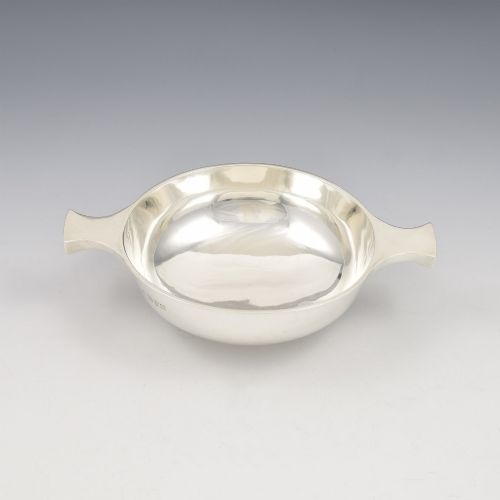
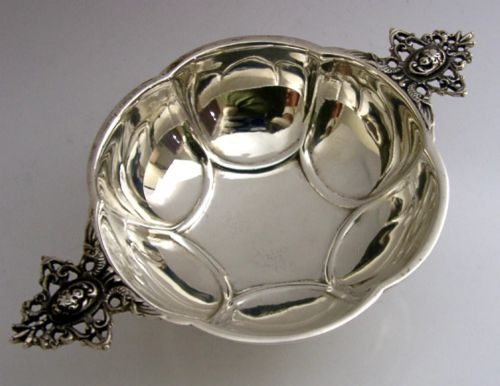
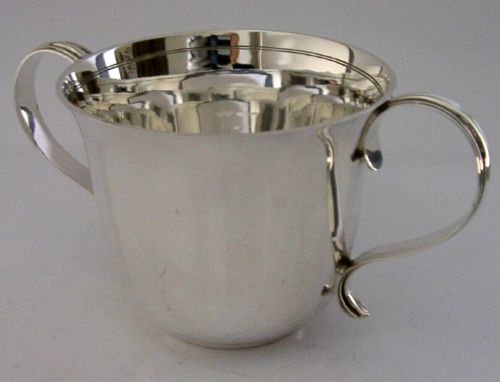
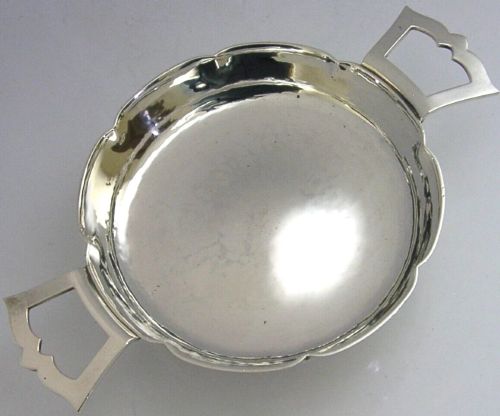


Antique Two Handled Bowl
An antique two handled bowl offers dual handles and deep historical resonance, bridging functional barware and decorative vessel forms.
Antique Two Handled Bowl
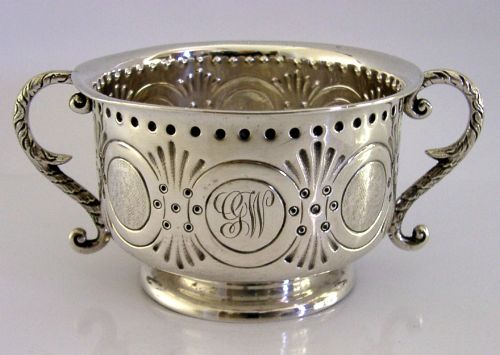
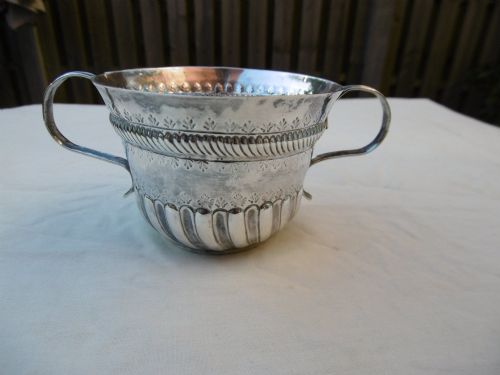
When searching for an antique two handled bowl, you encounter a diverse array of forms spanning the seventeenth century through to the mid-twentieth century.
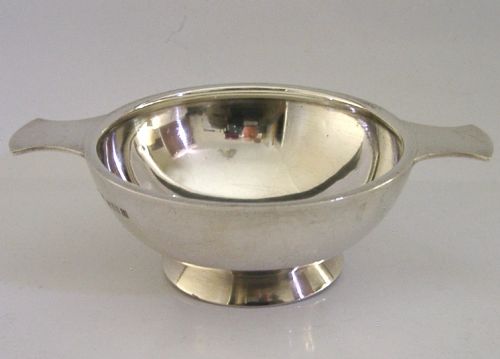
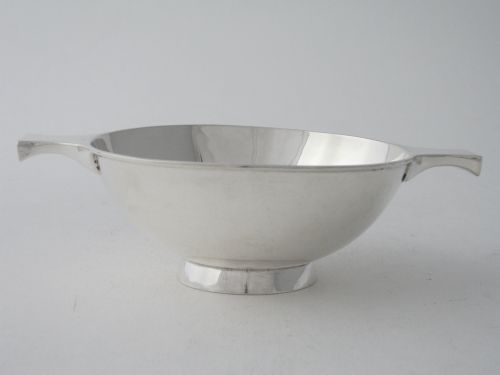
The selection frequently includes traditional silver porringers, Scottish quaichs, sugar bowls, barware vessels, and decorative porcelain pieces originating from various British and European eras.
Earlier examples date back to the late seventeenth century under William and Mary or William III reigns, whilst later pieces embrace Edwardian, Arts and Crafts, and Art Deco aesthetics.
Materials and construction
The pieces listed on this page are constructed from sterling silver, Britannia silver, solid silver, copper, pewter, porcelain, bone china, earthenware, and enamel.
Metal vessels display techniques such as planishing and hammering by hand, whilst ceramic items showcase intricate painted fruit motifs and cloisonne work.
Master craftsmen shaped these dual-handled vessels utilising traditional silversmithing, pottery firing, and metal-plating methods appropriate to their respective periods.
Antique Two Handled Bowl Retail Price Guide 2026
Typical asking prices for two handled bowl among the pieces listed under this phrase on Sellingantiques today, from the lower quarter to the upper quarter. They describe what is for sale here now, not the wider market.
Some vessels double as hunting trophies, proving that past generations liked to hydrate from very fancy cups indeed.
Assessing craftsmanship
Quality in these vessels rests upon the weight of the metal, the clarity of hallmarks, and the precision of the hand-formed handles.
Artisan input distinguishes standard production items from pieces bearing distinct maker marks, planished surface textures, or hand-painted artistic details.
The integrity of the construction, whether silver, pewter, or porcelain, determines the endurance and physical presence of the bowl.
Charles Overing·Nathan and Hayes·Daniel and Arter·John Barrett·R E Stone
The Antique Two Handled Bowl Glossary
- Porringer
- A shallow vessel with two horizontal handles, historically used for porridge or broth. These items often date to the seventeenth and eighteenth centuries.
- Quaich
- A traditional Scottish two-handled drinking vessel used for whisky or other spirits. They typically feature shallow bowls and flat lug handles.
- Britannia silver
- A specific standard of silver alloy introduced by Act of Parliament in England. It contains a higher purity than standard sterling silver.
- Hallmark
- An official stamp applied to precious metals indicating the standard of purity, assay office, and year of manufacture. These marks help verify the age of silver items.
Antique Two Handled Bowl: Frequently Asked Questions
What was a porringer used for?
Historically, a porringer served as a small bowl for eating soft foods like porridge, soups, or stews. The twin handles allowed the user to steady the vessel easily.
Over time, these pieces evolved into decorative items, christening bowls, or prestige vessels rather than everyday tableware.
How do I identify a Scottish quaich?
A quaich is immediately recognisable by its shallow circular bowl and two opposing flat handles, known as lugs. They are traditionally associated with sharing a drink of whisky.
Many examples feature sterling silver or pewter construction, often displaying simple geometric or Celtic-inspired surface decoration.
Are these bowls suitable for daily use?
Most antique silver, pewter, and porcelain vessels require careful handling rather than heavy everyday service. Silver and pewter tarnish or scratch easily, whilst antique ceramics demand gentle hand washing.
Many owners choose to display them as decorative barware, sugar basins, or cabinet centerpieces to preserve their condition.
How can I date an antique silver bowl?
Dating silver relies on reading the hallmarks stamped into the metal, which record the assay office, date letter, and maker's mark. Comparing these stamps against official registry records reveals the exact year of manufacture.
Stylistic cues, such as William III proportions or Art Deco geometric lines, provide further context when hallmarks are worn or absent.