





Antique Turned Wood Rail
These antique turned wood rail pieces bring honest craft and warm timber grain into a room, offering practical hanging and display utility.
Antique Turned Wood Rail
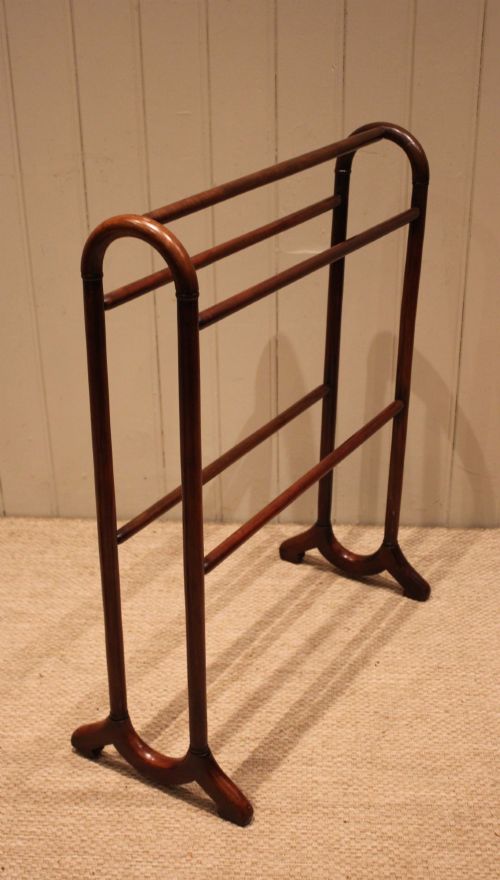
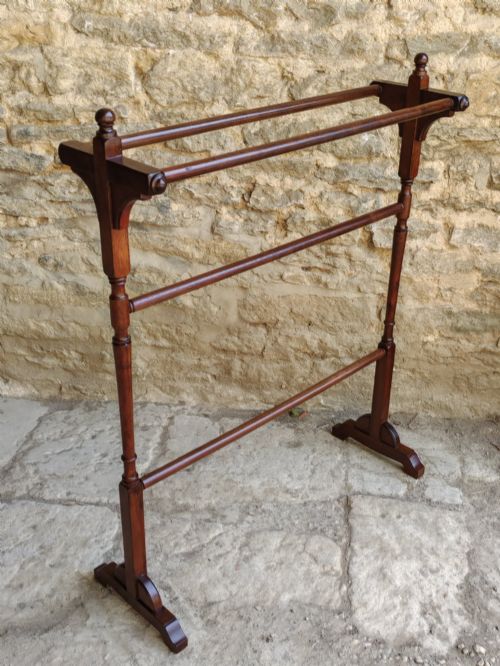
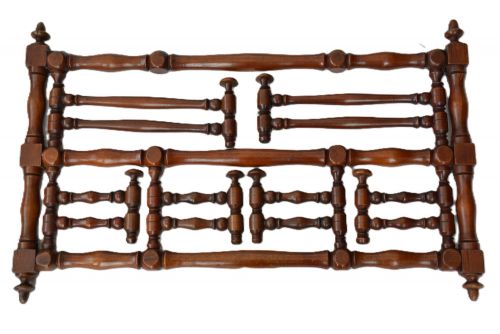
When you search for an antique turned wood rail, you are looking at functional timber furnishings and fixtures made across the nineteenth and early twentieth centuries, including the Victorian, Edwardian, and Regency periods. The listings here encompass distinct forms like towel rails, coat racks, and curtain poles, alongside related turned and carved seating and desk accessories.
The version you are most likely to meet on this page is a mahogany or oak towel rail or coat rack, built by makers working in regional British traditions. These items range from simple rustic country pieces to more polished Victorian examples featuring shapely spindles and rails.
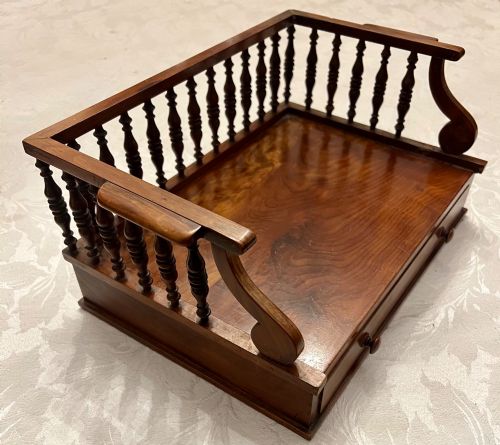
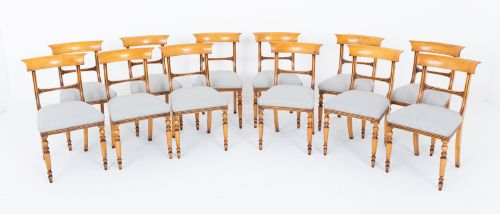
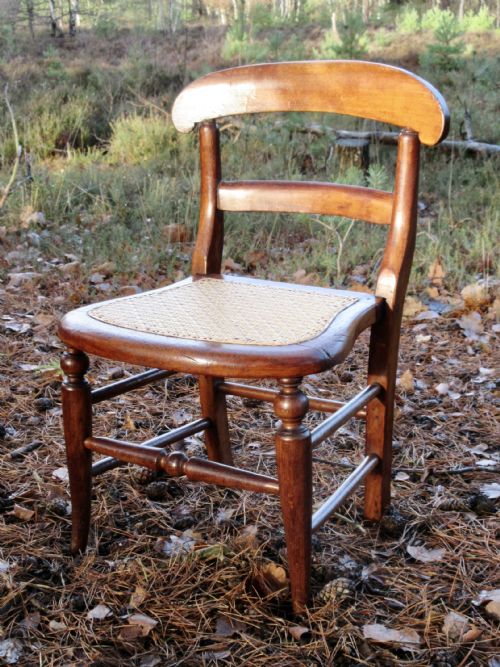
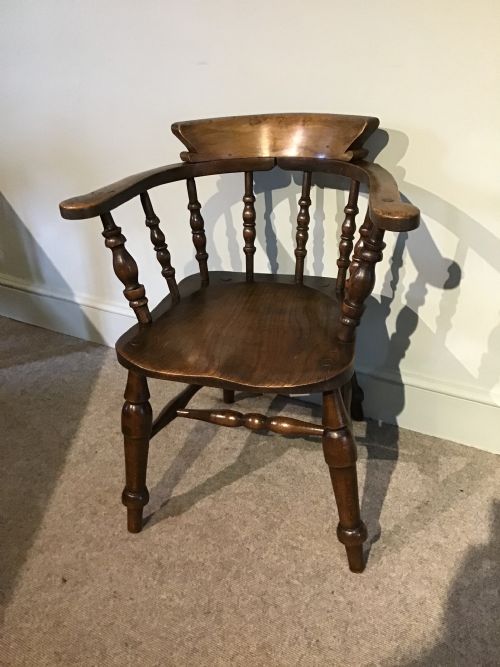
Beyond wall-mounted and freestanding rails, the broader selection includes chairs and book carriers that share the same turned wood vocabulary, spanning dates from the seventeenth century up through nineteen-twenty.
How they were made
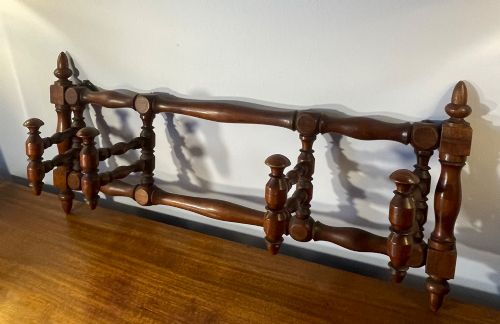
The construction relies on solid timbers such as mahogany, oak, yew wood, and satin birch, shaped on a lathe to create the characteristic turned spindles, columns, and rails. Cabinetmakers and turners joined these components using traditional pegging and mortise methods to ensure rigidity.
Surface finishes applied to these rails and racks typically consist of traditional wax or oil rubbed into the timber, allowing the natural grain and age-darkened patination of the wood to remain visible.
Antique Turned Wood Rail Retail Price Guide 2026
Typical asking prices for turned wood rail among the pieces listed under this phrase on Sellingantiques today, from the lower quarter to the upper quarter. They describe what is for sale here now, not the wider market.
Current listings feature items spanning the 17th Century, Victorian period, Regency style, and early 1900s, constructed from mahogany, oak, yew, and satin birch.
What varies in quality
Quality in a turned wood rail rests on the crispness of the lathe work and the weight of the timber selected by the maker. Heavier hardwoods like oak and mahogany hold sharper turning details and endure daily use far better than lighter substitutes.
The integrity of the original joints and the depth of the surface patina also separate utilitarian workshop pieces from finer domestic furnishings. Untouched structural joinery preserves the authentic character of the period far more effectively than later replacements.
The Antique Turned Wood Rail Glossary
- Turned wood
- Timber shaped on a lathe by rotating it against a chisel or gouge. This technique creates symmetrical profiles such as spindles, rings, and balusters found on rails and chair legs.
- Patina
- The surface sheen and colour acquired by wood through age, handling, and wax polishing. This lustrous layer develops naturally over decades of use.
- Mortise and tenon
- A traditional joint where a projecting tongue fits snugly into a square cavity. It provides strong, durable connections in frame construction.
- Spindle
- A slender, turned wooden rod used as a decorative or structural element in rails, chair backs, and galleries. These elements add visual lightness while maintaining strength.
Antique Turned Wood Rail: Frequently Asked Questions
What is an antique turned wood rail used for?
These rails were originally manufactured for domestic utility, serving primarily to hang towels in bedrooms or bathrooms, or to support coats and hats near entryways.
Today, buyers integrate them into period and modern interiors alike for practical hanging space or as decorative wall fixtures.
How do I date a turned wood rail?
Dating relies on identifying the timber species, the turning style, and the construction methods used in the piece. Darker aged mahogany and hand-cut joinery generally point towards earlier nineteenth-century production.
Comparing the turned profiles to dated examples helps narrow down whether a piece originates from the Victorian era or later Edwardian periods.
How should I care for antique turned wood?
Maintenance involves applying traditional beeswax periodically to nourish the dry timber and protect the surface sheen. Avoid placing wooden rails in areas with extreme temperature fluctuations to prevent the wood from splitting.
Dusting with a soft, dry cloth keeps the turned details clear without harming the aged finish.