
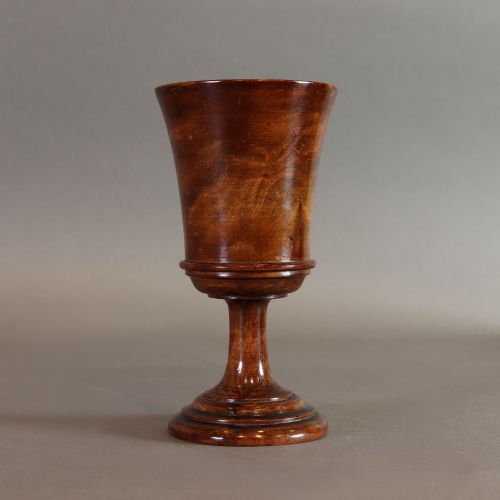


Antique Turned Wood Cup
These antique turned wood cup examples are small functional treen items shaped on a lathe, offering a tactile piece of domestic history for any collector.
Antique Turned Wood Cup
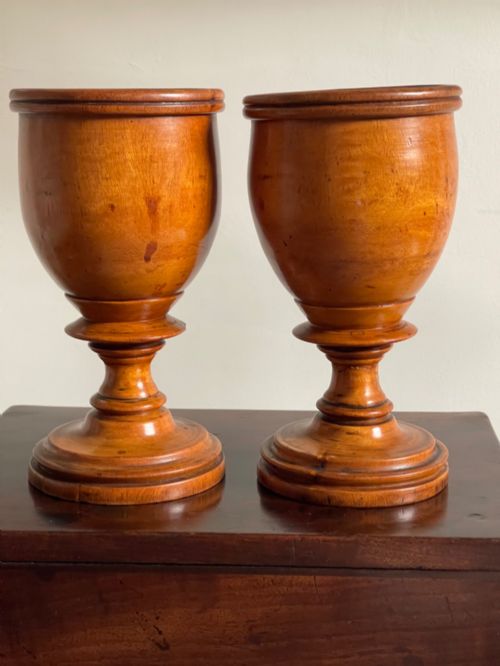
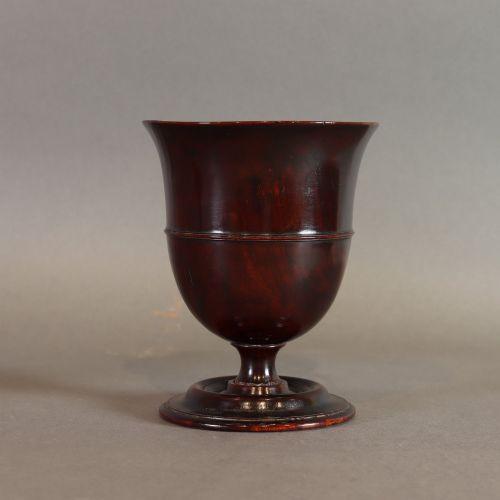
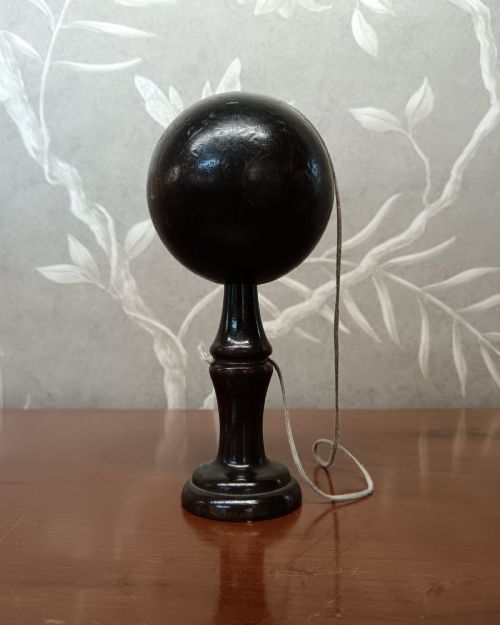
An antique turned wood cup encompasses small treen vessels, goblets, and novelty items shaped on a lathe during the Georgian, Regency, and Victorian eras. Buyers seeking these pieces generally encounter drinking vessels, spill holders, and cup-and-ball games fashioned from domestic and exotic timbers.
The selection frequently highlights utilitarian treen from the nineteenth century alongside George III pedestal pieces. Most items serve as decorative objects or desktop accessories, often bearing the characteristic concentric rings and shaped stems produced by manual lathe work.
Materials and turning methods
Craftsmen shaped these vessels on a lathe using dense hardwoods such as lignum vitae, mahogany, walnut, and fruitwoods like plum and pear. Dense timbers allowed for thin-walled turning without splitting, while ebonised wood provided a dark, formal finish.
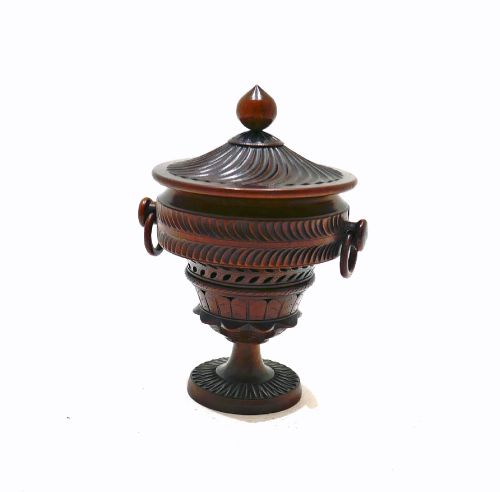
Makers utilised seasoned timber to minimise later warping, turning the grain symmetrically around a central axis to create pedestals, lids, and hollow vessels. Joinery was minimal, relying instead on hollowed-out solid blocks or fitted sections for lidded pomanders and game components.
Current listings feature items fashioned from fruitwood, lignum vitae, yew, walnut, and ebonised wood across the Georgian and Victorian periods.
Assessing quality in turned wood
Quality rests upon the crispness of the lathe work and the selection of the timber, where dense grain and rich natural patination elevate a piece. Finer examples display balanced proportions, clean turning lines, and minimal surface interruption from knots or flaws.
The distinction between standard utility items and superior objects lies in the refinement of the moulding and the choice of unusual woods such as yew or plum. Retaining original surfaces and untouched patination distinguishes the better specimens from heavily restored items.
The Antique Turned Wood Cup Glossary
- Treen
- Small handmade wooden domestic objects. The term derives from old English words for tree and covers everything from goblets to kitchen utensils.
- Lignum Vitae
- A dense, heavy exotic wood often used for turned vessels. Its natural oils give it a distinct self-lubricating quality and a dark greenish-brown tone.
- Bilboquet
- A traditional toy comprising a ball attached by a cord to a cup or spike. Players attempt to catch the ball in the cup.
- Pomander
- A small lidded container holding aromatic substances. Turned wood examples often featured pierced covers to let scent escape.
- Spill Holder
- A cylindrical container designed to hold thin wooden spills. These were used to transfer fire from a hearth to candles or pipes.
Antique Turned Wood Cup: Frequently Asked Questions
What were turned wood cups used for?
These turned vessels served practical functions in the home, ranging from drinking goblets and egg cup stands to game components and holders for fire lighting spills.
Over time their role shifted from utilitarian household items to decorative collectibles displayed on mantelpieces and in cabinets.
How do I care for antique treen?
Keep antique turned wood away from direct sunlight, central heating, and rapid changes in humidity to prevent the timber from splitting or warping.
An occasional application of microcrystalline wax helps protect the surface patination without softening the historic wood.
How can I tell the age of a turned cup?
Dating relies on identifying the timber species, tool marks left by the lathe, and the overall style associated with periods like the Georgian or Victorian eras.
Hand-turned pieces from the eighteenth and nineteenth centuries often exhibit subtle irregularities in symmetry that distinguish them from later machine-made reproductions.
What is treen ware?
Treen refers to small wooden items created for everyday domestic use before the widespread manufacture of ceramics and plastics.
Collectors prize these objects for the variety of native and exotic timbers used and the skill required to turn them on a lathe.