



Antique Turned Ornament
Antique turned ornament selections offer sculptural walnut, bronze, and marble forms spanning multiple centuries.
Antique Turned Ornament
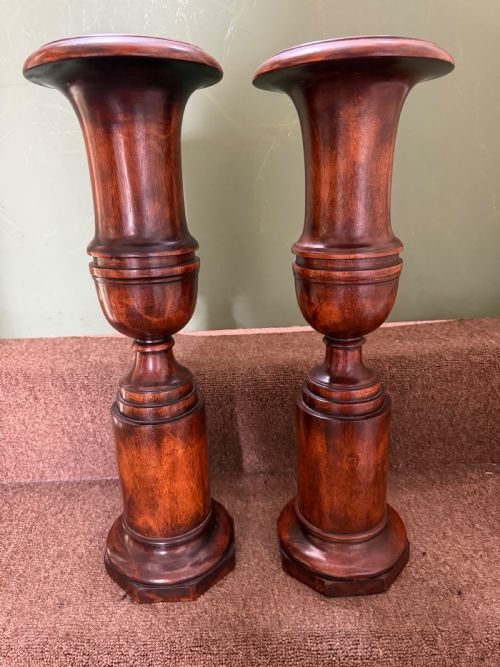
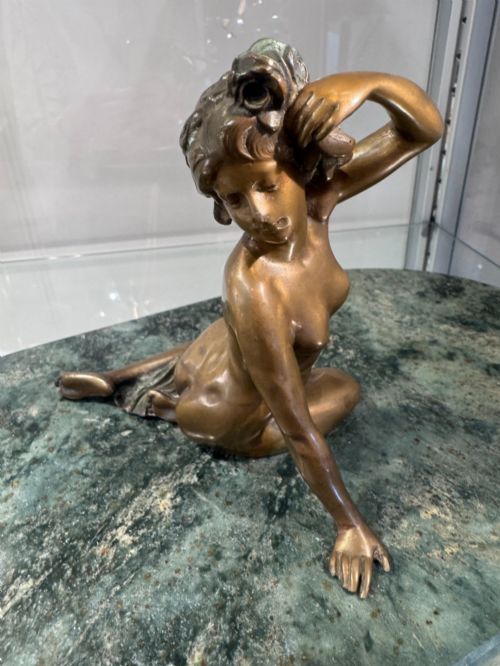
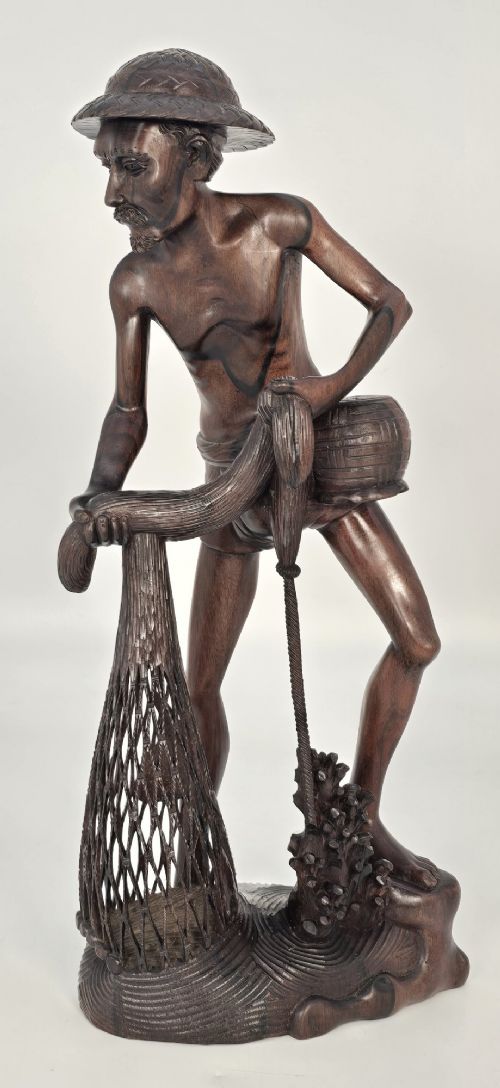
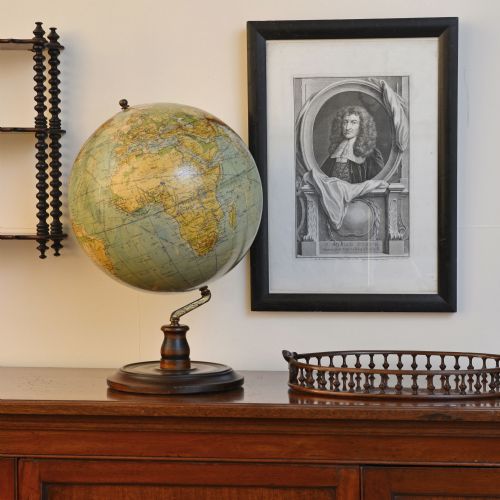
An antique turned ornament encompasses sculptural works, decorative urns, and figural objects shaped from various materials. These pieces range from Victorian neoclassical walnut vases to early twentieth-century bronze sculptures and terracotta figures.
Visitors encounter examples originating across the nineteenth and early twentieth centuries, including stylistic expressions such as Art Nouveau and folk art. The selection bridges utilitarian forms and purely decorative objects created for domestic display.
How these pieces were made
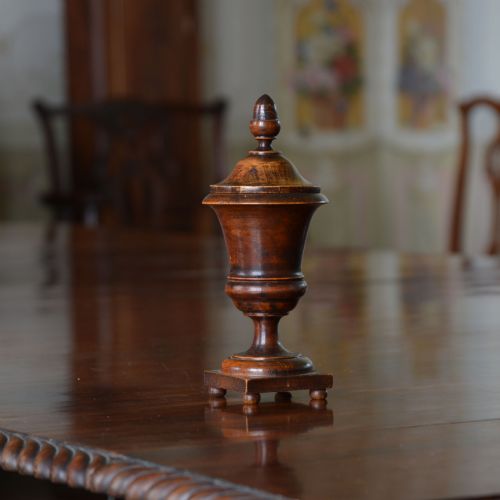
Craftsmen utilised traditional turning and carving techniques on organic mediums such as walnut, fruitwood, and hard woods to produce campana urns and vases. Metalworkers employed casting methods for bronze, spelter, and coppered items.
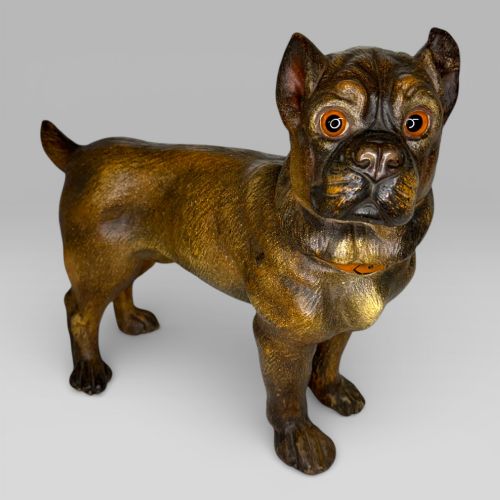
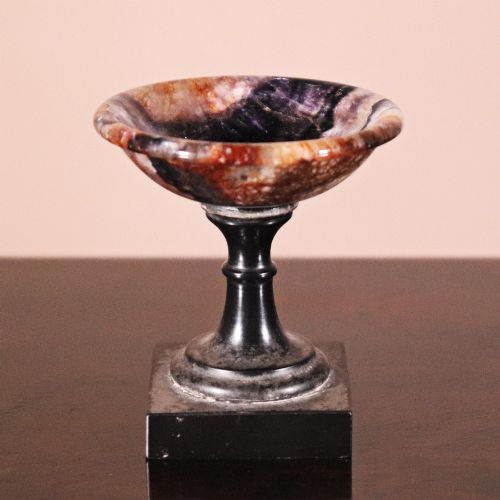
Ceramicists and sculptors shaped terracotta, porcelain, and bronzed plaster into detailed figurative busts and animalier subjects. Stonemasons worked with Blue John and Ashford marble to fashion decorative vessels.
What varies in quality
Refinement in surface finish and the precision of turning separate standard domestic items from superior sculptural works. Details in facial expressions, drapery, and textural rendering indicate the skill of the original maker.
George Philips and Son Ltd·Edith Parsons·Ernst Whaliss·Bernard Bloch
The Antique Turned Ornament Glossary
- Campana urn
- A bell-shaped vessel with a flaring rim, often utilised in neoclassical decorative arts. These forms derive from ancient Roman prototypes.
- Treen
- Small handmade wooden household objects and decorative items. The term derives from the Middle English word for tree.
- Spelter
- An alloy of zinc and lead, frequently cast and gilded or patinated to imitate bronze during the nineteenth century. It provides a lighter alternative to heavier metals.
- Animalier
- A nineteenth-century artistic movement focusing on the realistic depiction of animals. Sculptors often portrayed dogs and wildlife in dynamic poses.
Antique Turned Ornament: Frequently Asked Questions
What defines an antique turned ornament?
These decorative objects include carved wooden vessels, cast bronze figures, and stone urns produced during the nineteenth and early twentieth centuries.
They reflect diverse stylistic movements ranging from neoclassical design to Art Nouveau.
What materials predominate in these pieces?
Makers utilised a wide variety of natural materials, including walnut, fruitwood, bronze, terracotta, and marble.
Some items combine metals with stone bases or employ bronzed plaster finishes.
How do periods influence the style?
Nineteenth-century items often favour classical restraint, such as neoclassical urns and turned walnut vases.
Later works from around nineteen hundred incorporate organic Art Nouveau lines and naturalistic animal subjects.