

Antique Triple Light
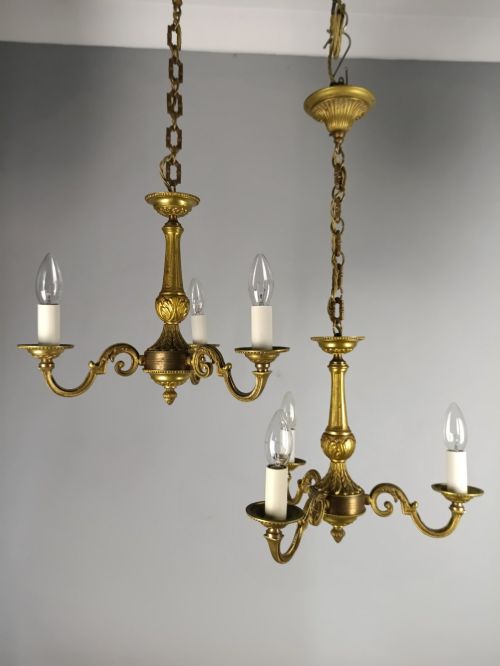
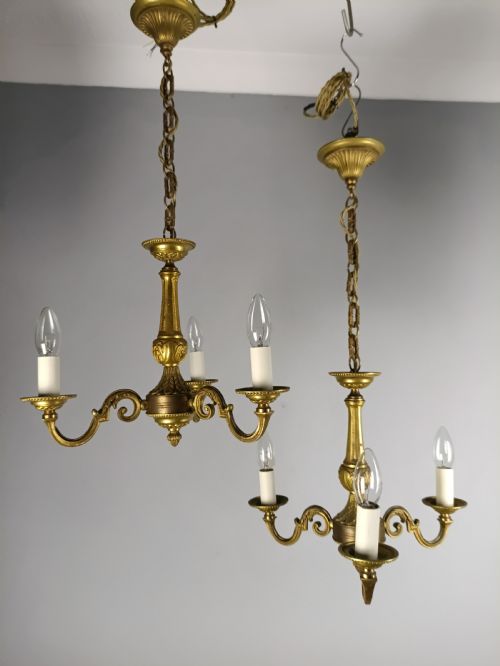
When buying an antique triple light, you secure a multi-armed fixture designed to illuminate rooms with three distinct sources of light.
Antique Triple Light
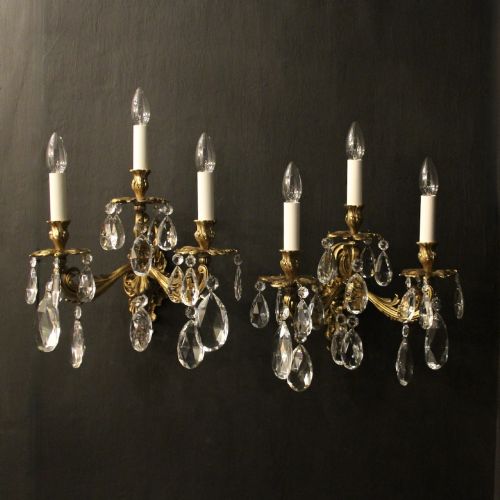
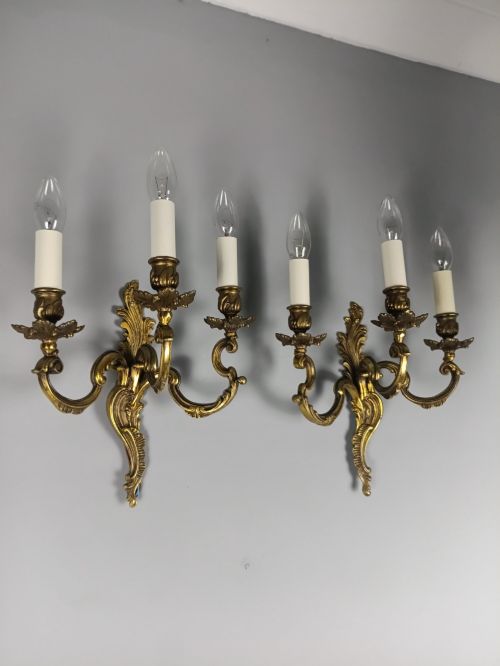
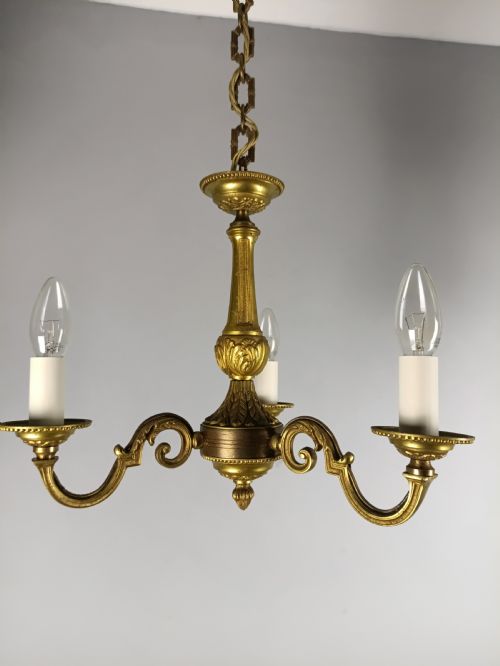
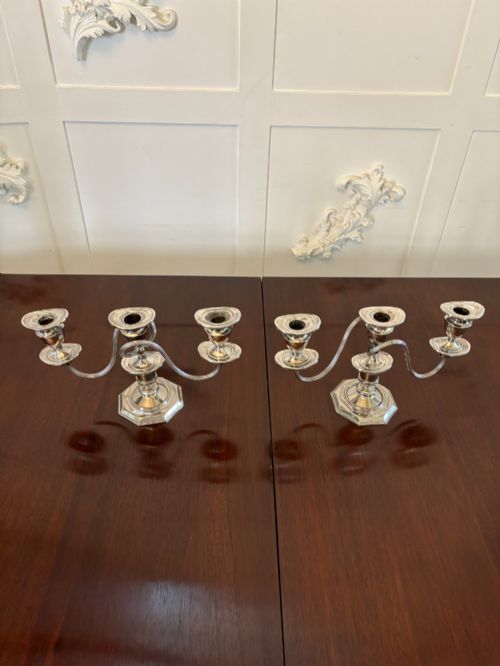
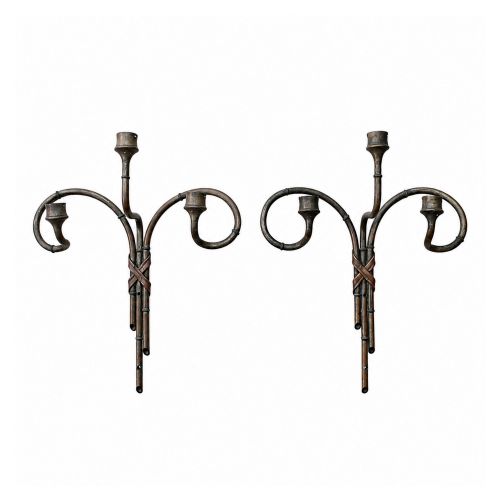
An antique triple light encompasses various multi-armed fixtures designed for illumination, ranging from wall lights and wall sconces to chandeliers, hall lanterns, and candelabras. These pieces emerge from periods spanning the eighteenth century through the early twentieth century, reflecting diverse regional origins.
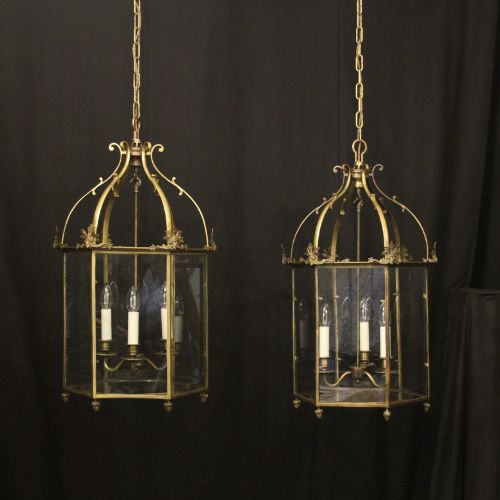
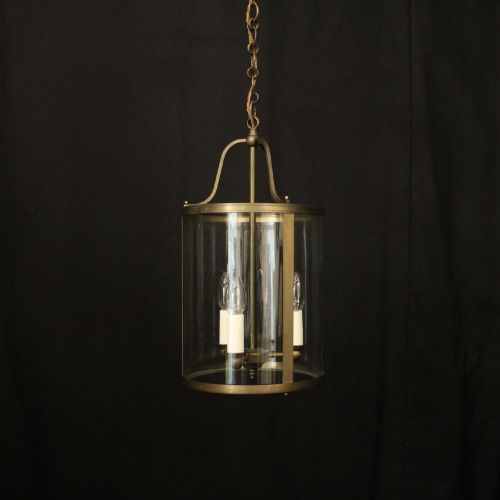
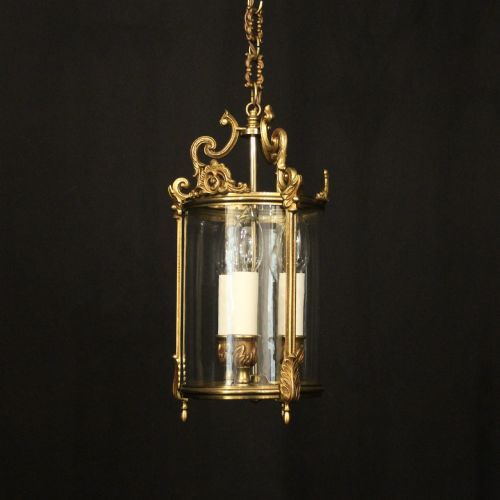
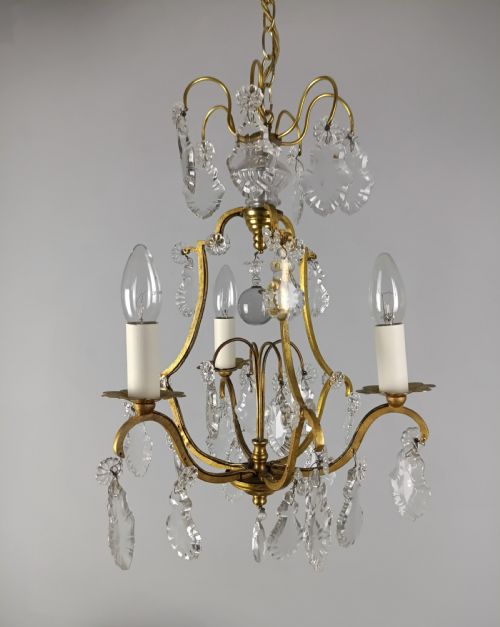
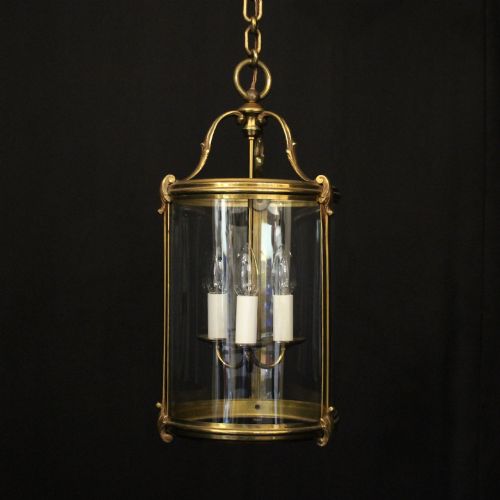
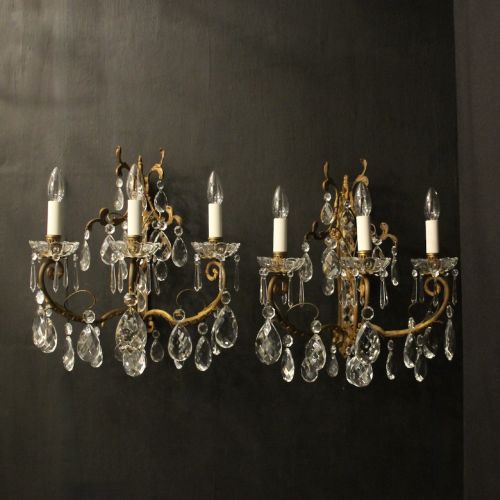
The most common formats encountered in this selection are French wall lights and wall sconces featuring three arms, alongside hanging hall lanterns and chandeliers holding three bulbs or candles. Stylistic influences lean heavily toward French Rococo, Neoclassical, Baroque, and Edwardian designs.
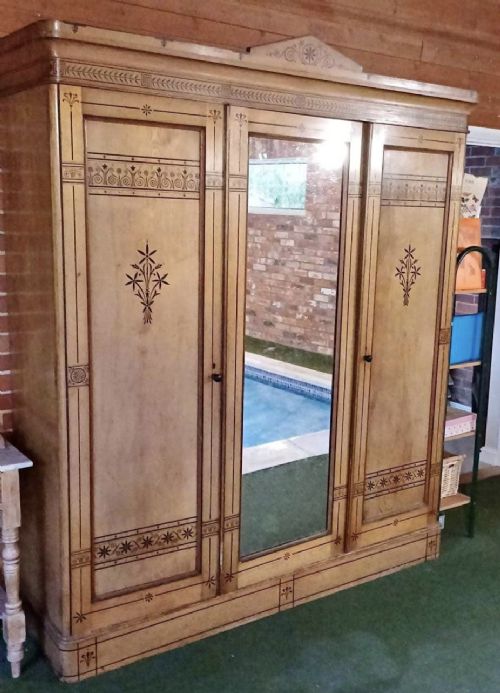
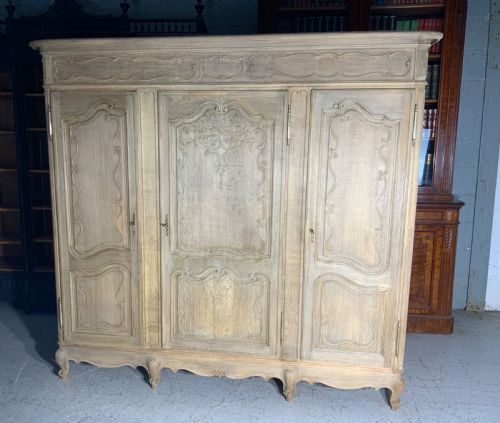
While primarily associated with lighting, the search results also capture related domestic forms sharing the triple designation, such as triple wardrobes, armoires, and dressing tables with triple mirrors. Buyers focusing strictly on lighting will find that wall-mounted sconces and hanging lanterns dominate the current inventory.
Materials and Construction
Makers constructed these fixtures using cast metals such as brass, gilt brass, gilded bronze, silvered bronze, and silver plate, frequently pairing them with cut crystal drops and etched glass panels. Wooden variants utilise gesso, giltwood, pine, walnut, oak, and bamboo.
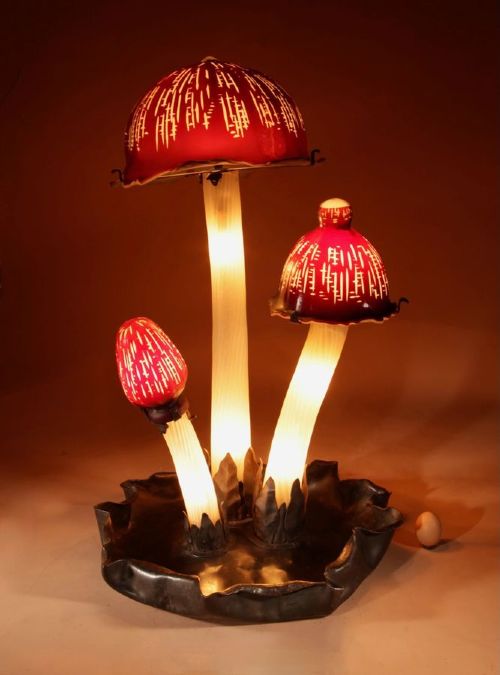
Metal components often display cast ornamentation typical of Rococo and Baroque revivals, involving intricate scrollwork and floral motifs. Glass elements rely on blowing and etching techniques to create convex hall lanterns and mushroom lamp shapes.
Antique Triple Light Retail Price Guide 2026
Typical asking prices for triple light among the pieces listed under this phrase on Sellingantiques today, from the lower quarter to the upper quarter. They describe what is for sale here now, not the wider market.
Materials across these listings span glass, crystal, brass, gilt brass, gilded bronze, giltwood, silver plate, pine, walnut, and oak.
Factors of Quality
Quality separates through the crispness of the metal casting and the depth of the gilding or silvering applied to bronze and brass frames. Finer pieces retain sharp relief in their decorative foliage and scrollwork rather than soft, rounded edges.
The integration of materials dictates overall execution, particularly in how securely crystal drops, etched glass panels, and wooden giltwood components fit within the primary structure. Superior examples maintain structural integrity across all three arms while preserving original surface finishes.
Garrard & Co·Matthew Boulton·Wm. Tonks & Sons
The Antique Triple Light Glossary
- Candelabra
- A branched candlestick holding multiple candles. These fixtures often feature three arms to distribute light evenly across a dining table or sideboard.
- Giltwood
- Wood carved and coated with gold leaf or gold paint. This finish appears frequently on Italian and Georgian wall lights.
- Rococo
- An ornate decorative style characterised by asymmetrical curves, C-scrolls, and plant motifs. It heavily influences nineteenth and twentieth-century French wall sconces.
- Sconce
- A wall-mounted lighting fixture. These units project outward to support candles or electric bulbs from vertical surfaces.
- Hall lantern
- An enclosed hanging light suspended in an entryway. They often utilise etched glass or convex glass panels set within a brass or bronze frame.
Antique Triple Light: Frequently Asked Questions
What is an antique triple light?
An antique triple light is a lighting fixture featuring three distinct arms, branches, or bulbs. These pieces include wall sconces, chandeliers, and hanging lanterns.
They originate from various periods including the eighteenth and nineteenth centuries, often showcasing metalwork, crystal, and glass.
How were triple wall lights used?
Triple wall lights and sconces mounted directly to interior walls to provide ambient illumination in hallways, drawing rooms, and salons. The three arms helped project light further across the space than single-bulb fixtures.
They functioned originally with candles before many were later adapted for electricity.
Are these lights ready to install?
Many surviving wall lights and sconces have been rewired to modern electrical standards to facilitate straightforward installation. Buyers should verify the specific wiring status of each fixture.
Professional installation is recommended for heavy bronze and crystal chandeliers.
How do I identify French styles?
French lighting from this category often displays Rococo or Neoclassical characteristics, such as ornate gilt bronze mounts and crystal drops. Makers utilised casting and gilding techniques typical of Parisian workshops.
Common forms include birdcage chandeliers and convex hall lanterns.