
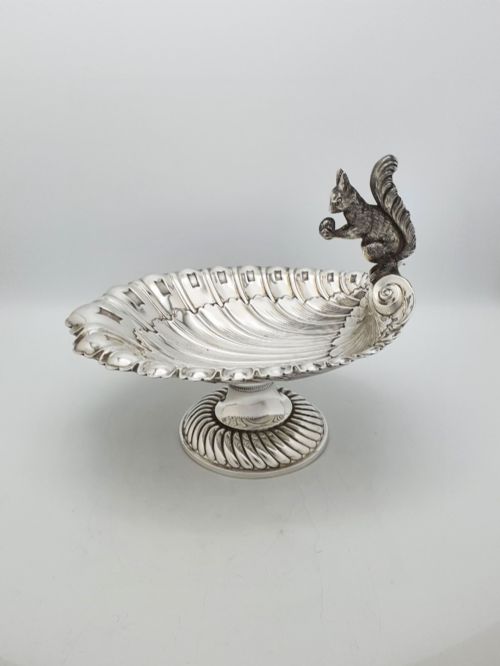


Antique Trinket Figurine
These antique trinket figurine pieces combine utility with sculptural charm, offering miniature works of art that double as functional containers.
Antique Trinket Figurine
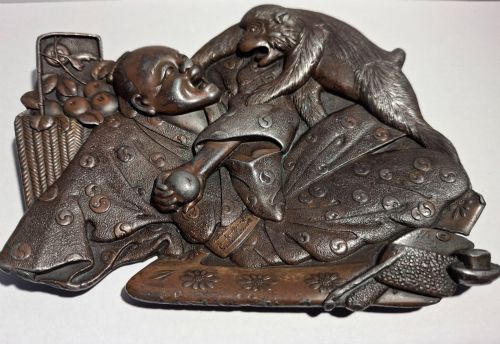
When you search for an antique trinket figurine, you encounter a diverse gathering of small decorative containers and sculptural objects intended for personal or domestic use. These pieces bridge the gap between pure sculpture and practical storage, taking the form of diminutive boxes, lidded bowls, and animal or human figures.
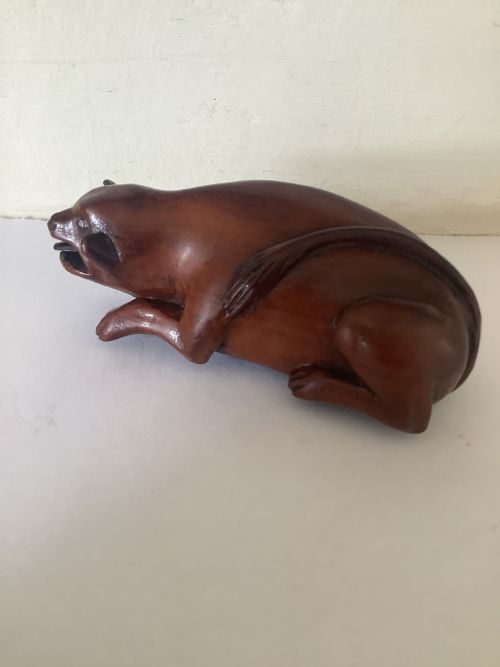
The selections available range from nineteenth-century porcelain fairings and carved wooden snuff boxes to twentieth-century Art Deco ceramic powder bowls and cold-painted bronzes. Among these, ceramic powder boxes and small metal pill boxes emerge most frequently, reflecting the popularity of vanity items from the Victorian era through the nineteen-thirties.
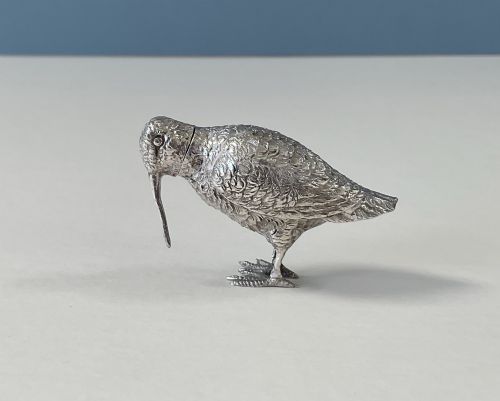
Origins span British, French, German, Austrian, and American makers, demonstrating how international workshops embraced miniature sculpture. Whether functional like a trinket dish or primarily decorative like a bronze bird model, each item provides a tangible link to historical domestic routines.
Materials and construction methods
The construction of these small objects relies heavily on fired ceramics, including porcelain and earthenware, often finished with glossy glazes and delicate enamel painting. These ceramic pieces frequently utilise moulds to shape intricate figural lids for powder boxes and bonbonnieres, capturing fine details in the clay before kiln firing.
Metalwork forms the other pillar of production, utilising silver, brass, bronze, and silver-plate to create hinged pill boxes, novelty animal models, and vide poche dishes. Bronze figures often employ cold-painting techniques applied directly over the cast metal, whilst wooden examples rely on hand carving to shape the snuff boxes and containers.
The listings show a strong representation of Art Deco ceramic powder boxes from the nineteen-thirties alongside nineteenth-century porcelain fairings and cold-painted bronze animal studies.
Judging the quality of miniature figures and boxes
The division between standard production and finer work lies in the hand-finishing, where skilled brushwork on ceramics or careful cold-painting on metal brings life to animals and human figures. Maker attribution and well-preserved original patination or glaze integrity further elevate a piece above ordinary manufacturing.
Boaz Moses·Royal Worcester·James Hadley·Royal Dux·Jennings Brothers
The Antique Trinket Figurine Glossary
- Fairing
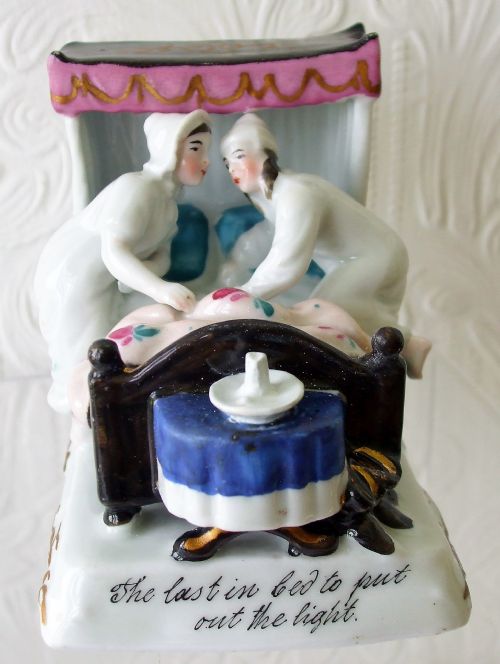
- A small porcelain group or figure, often humorous or narrative, originally sold at British annual fairs during the nineteenth century. These items frequently depict domestic scenes with droll titles inscribed along the base.
- Vide poche
- French for empty pocket, this is a small tray or dish designed for placing keys, coins, or trinkets upon entering a room. They often incorporate figural elements or natural motifs like shells.
- Cold-painted bronze
- A method of decorating bronze sculptures where oil paint is applied to the cold metal rather than fired in a kiln. This technique allows for vibrant polychrome finishes on animal and human figures.
- Bonbonniere
- A small ornamental box or jar specifically manufactured to hold sweets or bonbons. These containers frequently feature decorative figural lids modelled in ceramic or cast in metal.
- Snuff box
- A small pocket-sized container used for holding grated tobacco or snuff. They appear in carved wood, metal, and porcelain variants with tightly fitted lids.
Antique Trinket Figurine: Frequently Asked Questions
What were antique trinket figurines used for?
These small objects served various practical and decorative roles on dressing tables, desks, and sideboards. Boxes held powders, pills, and small items of jewellery, whilst bronze studies and figural models provided pure aesthetic display.
Many pieces combined both functions, offering a hidden compartment within a sculptural animal or human form. They reflect the Victorian and Edwardian taste for decorative domestic accessories that doubled as personal storage.
How do I date a porcelain powder box?
Dating relies on stylistic markers such as the geometric lines of Art Deco design versus the ornate flourishes of the Victorian period. Maker marks, paste composition, and glaze characteristics also provide chronological clues.
Objects from the nineteen-thirties frequently display the stylised flapper motifs and vibrant enamels typical of Art Deco production, whilst nineteenth-century pieces lean towards naturalistic porcelain baskets and hand-painted fairings.
Are cold-painted bronzes fragile?
The cold-painted finish consists of oil paint applied directly to the metal surface, which means it can chip or flake if subjected to rough handling or moisture. Care must be taken during cleaning to avoid abrasive materials that might damage the polychrome surface.
Displaying these bronzes away from direct sunlight and humidity helps preserve the original painted details and the underlying metal patina.