



Antique Treen Treenware
Antique treen treenware pieces are domestic wooden objects shaped by hand and lathe, offering a tactile connection to historical daily life that collectors prize.
Antique Treen Treenware
When you search for antique treen treenware, you encounter small functional and decorative wooden objects spanning the Georgian, Victorian, and eighteenth and nineteenth centuries. These items include domestic utensils and vessels shaped from timber for everyday use in past households.
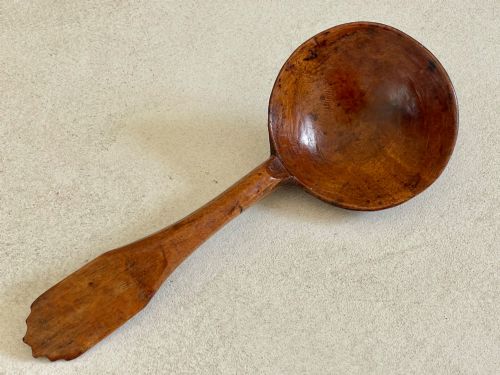
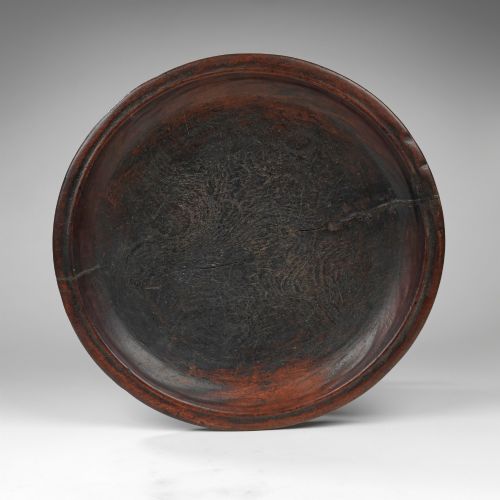
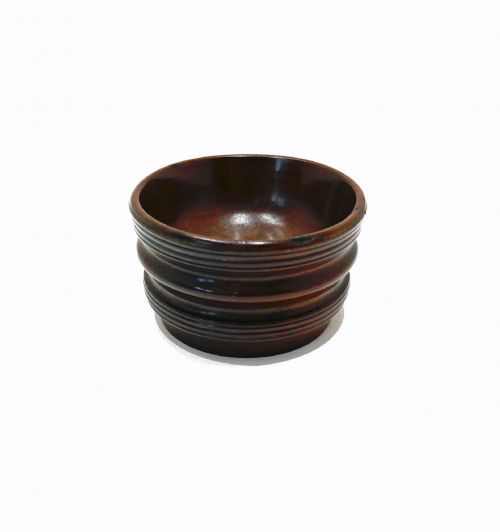
You are most likely to meet turned wooden bowls, ladles, and spice containers across these periods. Examples range from fruitwood goblets and laburnum salts to sycamore jars and yew wood vases.
The objects often display regional folk art traditions alongside formal Georgian and Victorian styles. Each piece reveals the distinct utility required by historical kitchens and parlours.
How they were made
Maker's workshops shaped these objects primarily from dense timbers such as fruitwood, laburnum, beech, and sycamore. Craftsmen selected specific hardwoods for their grain and stability during turning.
Woodturners utilised lathes to form symmetrical items like candlesticks, goblets, and salts from seasoned timber blocks. Other pieces, such as ladles and nutcrackers, required careful hand carving to achieve their final domestic forms.
Antique Treen Treenware Retail Price Guide 2026
Typical asking prices for treen treenware among the pieces listed under this phrase on Sellingantiques today, from the lower quarter to the upper quarter. They describe what is for sale here now, not the wider market.
The listings span the eighteenth and nineteenth centuries, featuring specific timbers including laburnum, fruitwood, sycamore, and yew.
What varies in quality
Quality rests upon the crispness of the turning and the preservation of the original wooden surface. Pieces that retain a deep, warm patina show decades of handling and polishing that enhance the grain.
Proportion and utility dictate the success of the form, whether in a multi-tiered spice tower or a simple turned bowl. Finer examples maintain structural integrity alongside clear tool marks from the maker's workshop.
The Antique Treen Treenware Glossary
- Treen
- Small handmade wooden objects for domestic use. The term derives from old English words meaning tree or wood.
- Patina
- The surface sheen and colour developed through years of handling, waxing, and ageing. It provides a visual record of the object's history.
- Lathe turning
- A method of shaping wood by rotating it against cutting tools. This technique produced symmetrical items like goblets, bowls, and candlesticks.
- Fruitwood
- Timber sourced from fruit-bearing trees such as apple, pear, or plum. Craftsmen favoured these dense woods for intricate turned items.
- Folk art
- Utilitarian objects created by rural makers outside academic design traditions. These pieces often emphasise practical utility and local aesthetic preferences.
Antique Treen Treenware: Frequently Asked Questions
What is antique treen?
Antique treen encompasses small, functional wooden objects made for domestic or personal use before the twentieth century. These items were essential components of historical households.
Craftsmen produced everything from kitchen utensils to decorative containers using traditional woodworking methods and local timbers.
How do I care for wooden treen?
Keep wooden objects away from direct heat sources and extreme humidity fluctuations to prevent the timber from splitting. Minimal handling and occasional light waxing preserve the historic surface.
Avoid washing these pieces with water or harsh detergents, as moisture damages the aged patina and dry wood.
How can I tell the period of treen?
Dating relies on identifying the timber species, tool marks, and overall form relative to known stylistic periods like Georgian or Victorian. Eighteenth-century pieces often display distinct lathe work compared to later Victorian items.
Examining the wear patterns and construction methods helps establish the manufacturing era.
Were these objects purely decorative?
Most treen items served active roles in historical domestic life, from storing spices to serving food and holding candles. Their utility dictated their form and durability.
Over time, collectors began valuing these utilitarian pieces for their sculptural qualities and craftsmanship rather than their original function.