






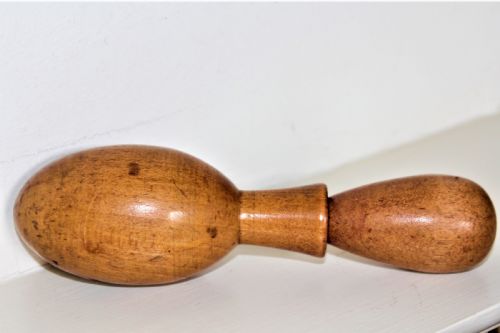
Antique Treen Tool
These antique treen tool pieces are small wooden utensils and implements of daily domestic or trade use, offering a tangible connection to past working lives.
Antique Treen Tool
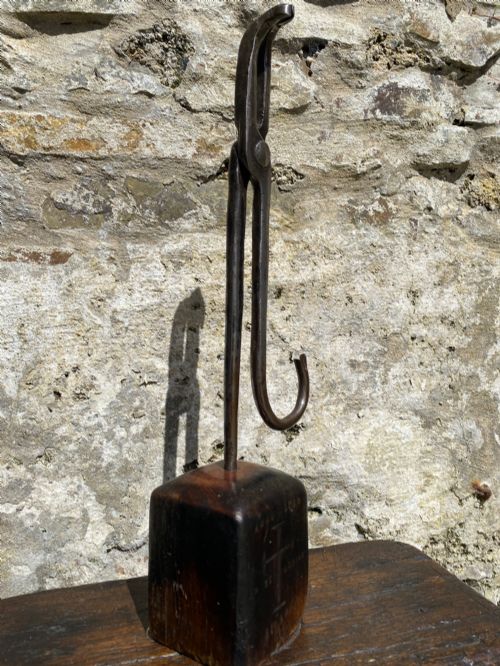
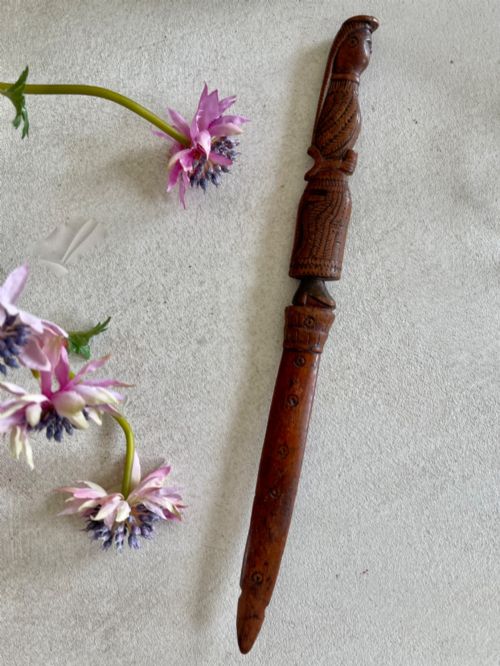
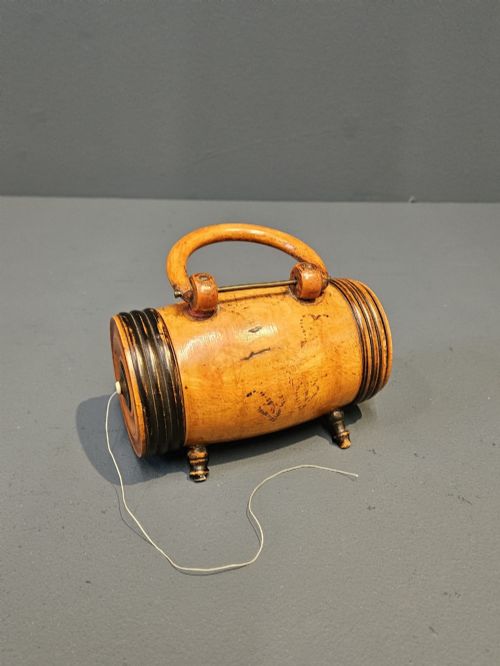
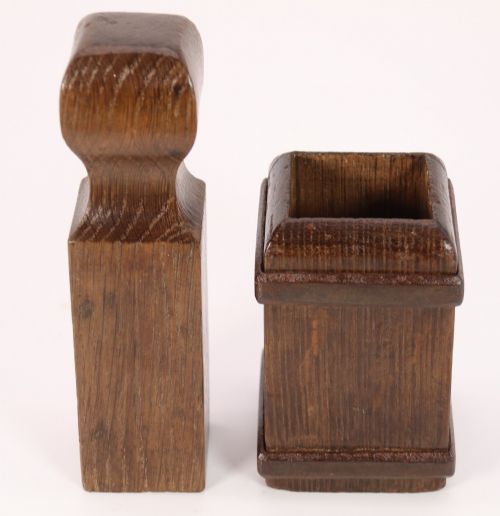
When you search for an antique treen tool, you enter a diverse category of utilitarian wooden objects spanning the eighteenth, nineteenth, and early twentieth centuries. The selection on this page ranges from domestic sewing accessories and knitting sheaths to trade implements like apothecary pill rounders, carpentry mallets, and veterinary tools.
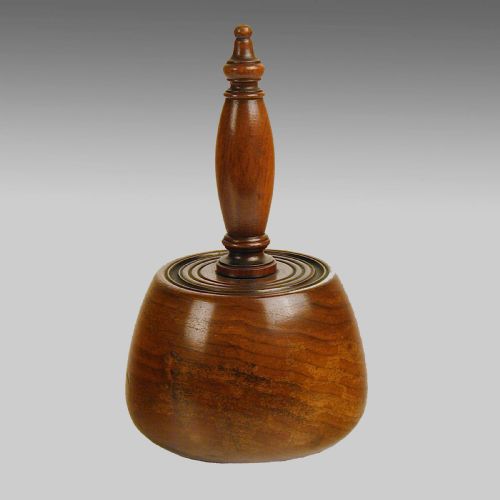
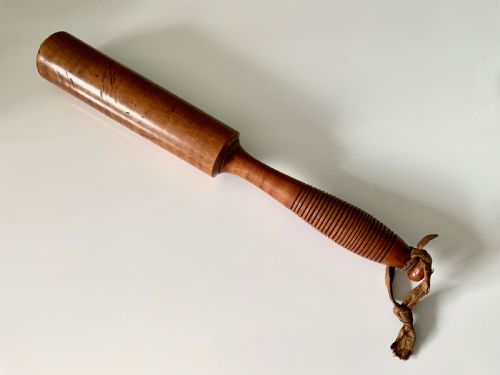
The most common forms you will meet here are nineteenth-century domestic implements and working tools shaped by turning or carving. These include ceremonial and trade mallets in boxwood or fruitwood, alongside specialised items like lace folders, sock darners, and snuff boxes.
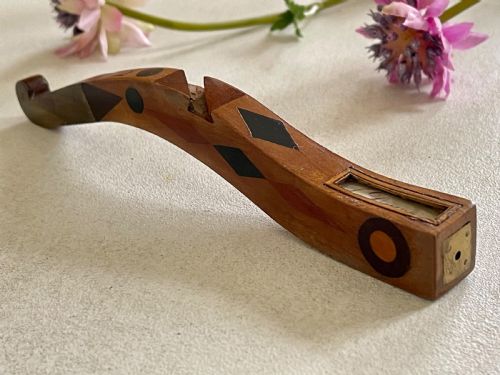
Geographically and stylistically, the pieces draw on English country traditions, Scandinavian country aesthetics, and regional folk art. Items such as the Durham knitting sheath or Tunbridge Ware sewing clamp demonstrate how makers combined utility with decorative inlay work.
How they were made
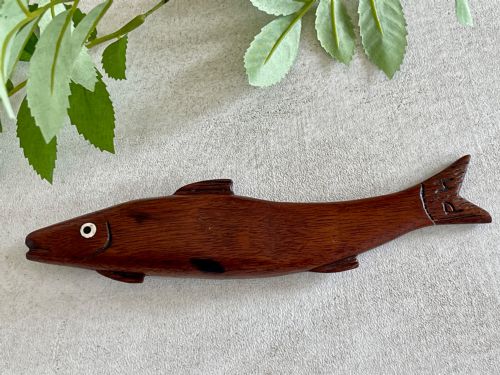
Makers utilised dense hardwoods such as boxwood, fruitwood, lignum vitae, oak, and yew wood to ensure these working tools withstood daily friction and pressure. Turning on a lathe formed the symmetrical bodies of mallets, mortars, and stamp boxes, while hand carving shaped fish-shaped knitting sheaths and plane-form snuff boxes.
Decoration relied on surface manipulation rather than applied finishes, incorporating chip carving, geometric inlay in contrasting woods, and bone mounts. Wrought iron reinforcement was added to heavy-duty crushing implements like apothecary mortars to provide structural strength.
Antique Treen Tool Retail Price Guide 2026
Typical asking prices for treen tool among the pieces listed under this phrase on Sellingantiques today, from the lower quarter to the upper quarter. They describe what is for sale here now, not the wider market.
Some nineteenth-century makers carved their snuff boxes to mimic miniature wood planes, combining a carpenter's tool with a gentleman's luxury.
What varies in quality
Quality in these utilitarian objects rests on the crispness of the original turning or carving and the preservation of the wood's surface patination. Pieces that retain their original dry, waxed surfaces without modern aggressive sanding sit at the upper end of the scale.
The sophistication of decorative embellishment separates standard utility items from superior examples. Finely executed geometric inlay, such as diamond and circle motifs on knitting sheaths, or clever figural forms like wood-plane snuff boxes, indicates superior workshop execution.
The Antique Treen Tool Glossary
- Treen
- Small handmade wooden objects for domestic or utilitarian use. The term derives from the Middle English word for tree.
- Knitting sheath
- A pocketless device tucked into a belt or apron string to hold a single knitting needle steady. They frequently take folk art forms such as fish or carved geometric shapes.
- Pill rounder
- A two-part apothecary tool used in pharmacy to roll out and cut uniform medicinal pills from a mass of paste. They are typically turned from dense boxwood.
- Lignum vitae
- A remarkably heavy and dense tropical hardwood used for high-impact items like mallets. It contains natural oils that lubricate and protect the wood from wear.
- Tunbridge Ware
- Woodware decorated with tiny mosaic tiles assembled from different coloured woods to form geometric or pictorial patterns. Named after the Kent town where the technique flourished.
Antique Treen Tool: Frequently Asked Questions
What is an antique treen tool used for?
These items served specific practical functions in domestic textile work, apothecary preparation, carpentry, and lighting. Domestic pieces aided in sewing, knitting, and darning socks.
Trade versions performed heavier tasks, from pounding medical ingredients to driving chisels or veterinary fleams.
How do I date an antique treen tool?
Dating relies on identifying the tool type, timber species, wear patterns, and method of manufacture. Eighteenth-century pieces often display heavier hand-forged iron mounts and simpler, robust turning.
Nineteenth-century examples frequently incorporate finer decorative elements like Tunbridge Ware inlay or distinct regional folk art styles.
Are these wooden tools safe to use today?
Most of these items function best as historical display pieces rather than active daily tools due to their age and delicate patination. Dry historical wood can split under modern stress or heavy impact.
Gentle handling and stable indoor humidity preserve their structural integrity for display.
How do I clean and care for treen?
Maintenance requires keeping wooden treen away from direct heat sources and extreme moisture fluctuations. A very light application of microcrystalline wax helps protect dry surfaces.
Water washing or chemical polishes should be avoided to preserve the historic surface patination.