






Antique Treen Tobacco Box
An antique treen tobacco box brings functional wooden warmth to the room, offering small-scale turned or carved craftsmanship that collectors prize.
Antique Treen Tobacco Box
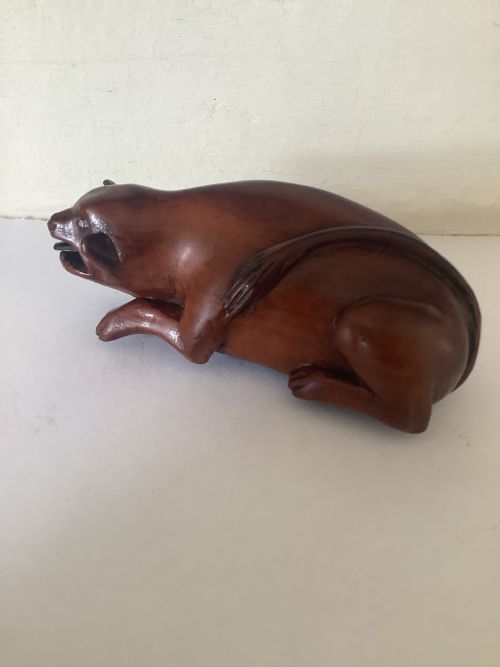
When you search for an antique treen tobacco box, you enter a world of pocket and desk containers designed for smoking gear and snuff, predominantly shaped from hardwoods during the Georgian, Victorian, and Edwardian eras. These domestic items range from plain turned vessels to elaborate figural carvings and inlaid containers.
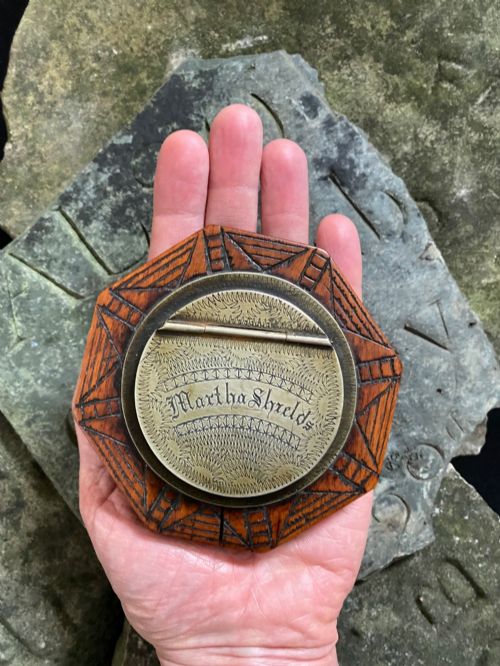
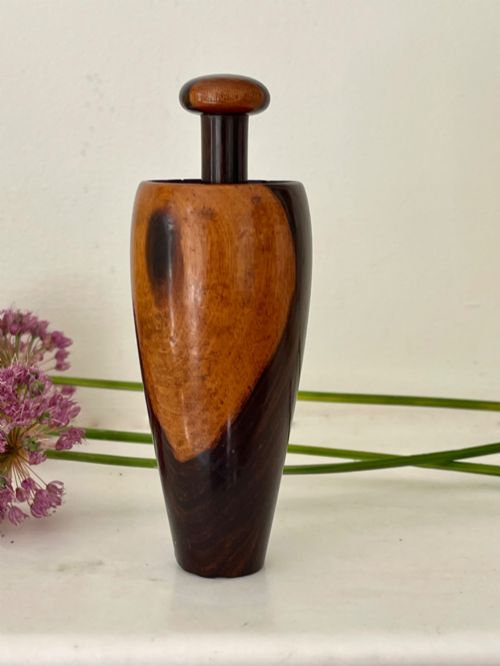
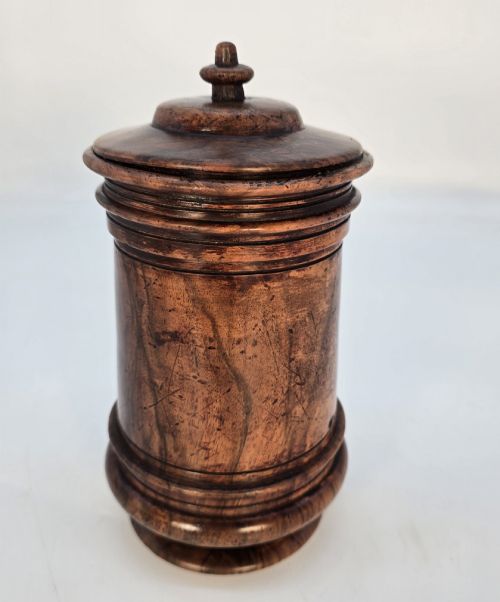
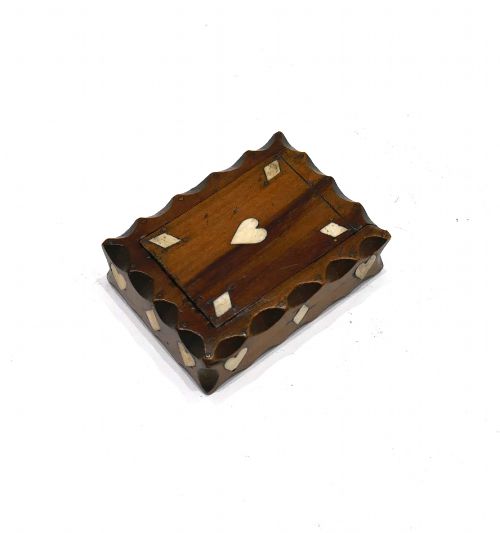
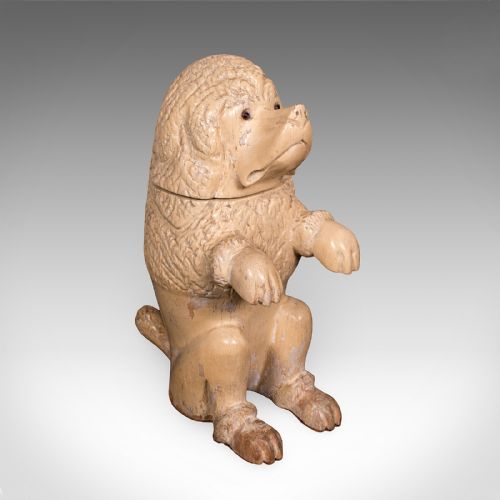
The version you are most likely to meet on this page is a nineteenth-century wooden box or jar, often fashioned as a fruitwood or mahogany receptacle, sometimes displaying folk art traits like bone inlay or carved hands and shoes.
Makers produced these containers for everyday tobacco and snuff storage, meaning survivors show genuine signs of handling alongside their decorative appeal.
How they were made
Woodworking workshops relied on traditional turning on a lathe alongside hand carving to shape dense timbers such as mahogany, walnut, fruitwood, and yew into barrels, jars, and shoes.
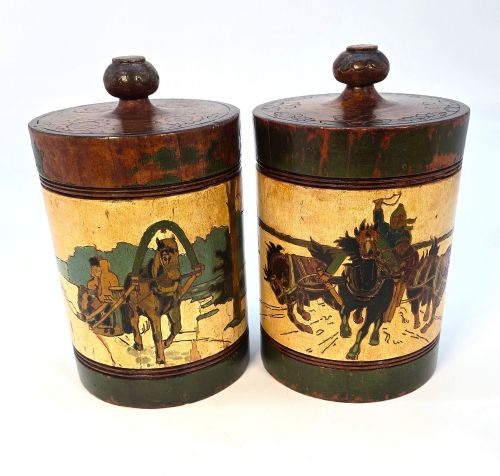
Craftsmen enhanced plain surfaces by integrating contrasting materials, using brass mounts, inlaid bone hearts and diamond shapes, or painted decoration on Russian containers.
Antique Treen Tobacco Box Retail Price Guide 2026
Typical asking prices for treen tobacco box among the pieces listed under this phrase on Sellingantiques today, from the lower quarter to the upper quarter. They describe what is for sale here now, not the wider market.
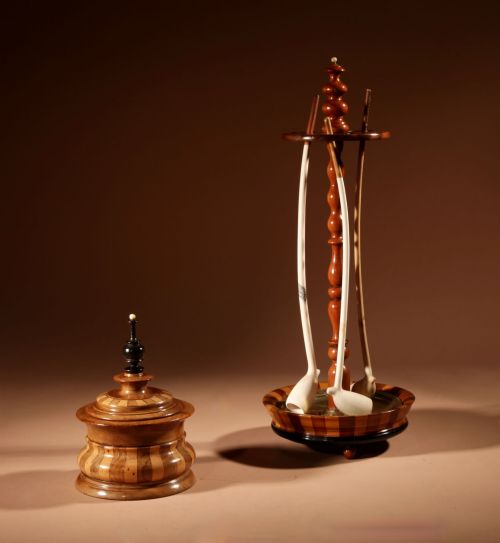
The selection includes functional coopered pipe stands alongside turned mortars, painted Russian containers, and inlaid pocket snuff boxes.
What varies in quality
The distinction between ordinary and superior boxes lies in the sharpness of the carving and the cleverness of the form, such as figural hands or detailed shoes rather than simple geometric containers.
Material selection and surface patination dictate desirability, where dense hardwoods with well-preserved grain and crisp bone inlay outclass plain, unfigured timber.
The Antique Treen Tobacco Box Glossary
- Treen
- Small handmade wooden domestic objects. This overarching term covers everything from kitchen utensils to pocket tobacco containers.
- Snuff box
- A small lidded container for holding powdered tobacco. These range from simple pocket rectangles to novelty shoes and carved hands.
- Tobacco jar
- A larger lidded vessel designed to keep loose leaf tobacco moist. These often sit on tables and desks rather than in pockets.
- Specimen woods
- Furniture or small objects assembled from various contrasting timber species. This technique showcases natural variations in grain and colour.
- Folk art
- Utilitarian objects decorated or shaped by self-taught makers. These pieces emphasise vernacular charm over formal academic design.
Antique Treen Tobacco Box: Frequently Asked Questions
What is treen?
Treen refers to small, functional wooden objects made by hand before mass production took over domestic goods. These items include boxes, bowls, and small containers shaped for daily use.
Collectors prize treen for the warmth of the aged timber and the individual marks left by the maker's lathe or carving knife.
How were tobacco boxes used?
These wooden boxes stored loose leaf tobacco or fine snuff, keeping the contents dry and ready for pipes or pinches. Pocket versions travelled with the owner, while larger jars stayed at home on desks.
Many incorporate clever sliding lids, double-sided compartments, or novelty shapes to make accessing the contents part of the daily ritual.
How do I date an antique wooden box?
Dating relies on observing the timber species, construction methods, and tool marks visible inside and underneath the object. Georgian and Victorian pieces often show specific joinery and wear patterns.
Design motifs, such as folk art bone inlay or specific figural themes like shoes and hands, also point towards particular nineteenth-century decades.
How do I care for antique wood?
Keep antique wooden boxes away from direct sunlight and sudden temperature shifts to prevent the timber from splitting or warping. Dust them gently with a dry cloth without applying modern chemical polishes.
Allowing the wood to maintain its natural dry surface preserves the historic patina accumulated over centuries of handling.