





Antique Transitional Commode
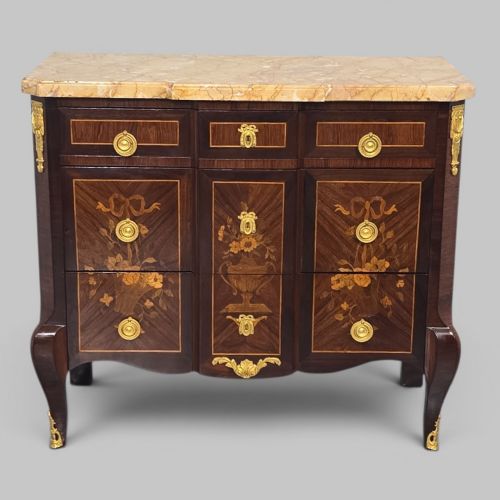
These antique transitional commode pieces combine curved rococo lines with straight neoclassical geometry to anchor a room with layered French character.
Antique Transitional Commode
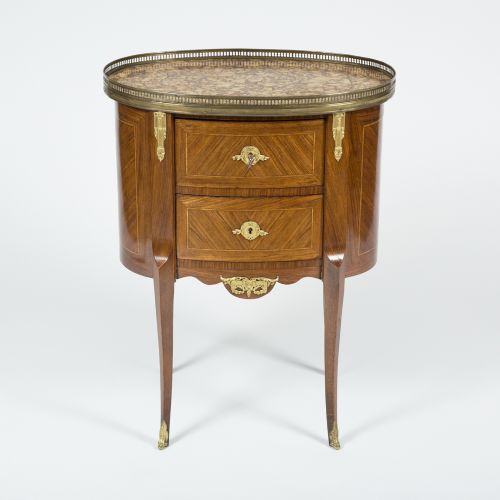
When you search for an antique transitional commode, you encounter a distinct category of French and continental storage furniture that bridges the shift from Louis XV curves to Louis XVI straight lines. These pieces range from bedside cabinets and secretaire chests to larger three-drawer chests of drawers and marble-topped commodes.
The selections span periods from the late eighteenth century through the nineteenth century and into the early twentieth century, alongside specific expressions in art deco and transitional styles. Most examples lean into French cabinet-making traditions, utilising sophisticated forms that function as focal storage points in a bedroom or hallway.
Materials and construction
Makers built these commodes using a carcass of walnut, mahogany, or cherrywood, layered with decorative veneers of satinwood, rosewood, tulipwood, and kingwood. Surface enrichment often includes intricate marquetry and inlay work that trace geometric or floral patterns across the drawer fronts and sides.
Many examples are finished with heavy breche d'alep or other marble tops, complemented by cast brass and ormolu mounts that accent the corners, apron, and drawer pulls.
Antique Transitional Commode Retail Price Guide 2026
Typical asking prices for transitional commode among the pieces listed under this phrase on Sellingantiques today, from the lower quarter to the upper quarter. They describe what is for sale here now, not the wider market.
French transitional design forms the dominant style grouping, appearing alongside specific periods such as Louis XVI and Art Deco.
Distinguishing quality
Quality reveals itself in the precision of the veneer matching and the crispness of the marquetry details across the drawer faces. Superior pieces demonstrate fluid transitions in timber selection and seamless integration of ormolu mounts that follow the structural contours without excess.
The handling of secondary timbers inside the drawers and the weight and fit of the marble top also separate standard workshop output from finer cabinet-making.
C. Hindley
The Antique Transitional Commode Glossary
- Transitional style
- A design phase blending the curving lines of Louis XV rococo with the geometric restraint of Louis XVI neoclassicism. This aesthetic defines the dual nature of these commodes.
- Marquetry
- The art of applying small pieces of veneer to a structure to form decorative patterns or pictures. Craftsmen used contrasting timbers like satinwood and rosewood to achieve tonal depth.
- Ormolu
- Gilded bronze mounts applied to furniture for decorative and protective purposes. These cast metal elements highlight the corners and handles of continental pieces.
- Secretaire chest
- A form of chest of drawers incorporating a drop-front writing surface that conceals small compartments and pigeonholes. It merges writing furniture with standard drawer storage.
- Breche d'alep
- A specific type of quarried marble featuring varied brecciated patterns and warm tones used for furniture tops. It provides a durable and decorative surface on commodes.
Antique Transitional Commode: Frequently Asked Questions
What is a transitional commode?
A transitional commode is a chest of drawers representing the stylistic shift between the rococo period and the neoclassical period. It merges curved contours with straighter architectural lines.
These pieces typically feature decorative wood veneers, marquetry work, and often a marble top. They serve as functional storage furniture with distinct decorative presence.
How do I date an antique commode?
Dating relies on examining the structural timbers, veneer types, mounting styles, and overall silhouette. Pieces from the eighteenth century show different joinery methods compared to later nineteenth and early twentieth-century revivals.
Stylistic cues such as the transition from curved cabriole legs to tapered neoclassical supports help place a piece within its proper era.
Are marble tops original to these pieces?
Many commodes from this tradition were designed and built to receive fitted marble tops like breche d'alep. The stone provides a heavy, durable surface that complements the polished wood veneers.
Inspecting the seating of the marble into the wooden frame helps determine if the top belongs to the original construction of the commode.
Where should I place a commode at home?
These commodes function well as bedside cabinets, hallway statement pieces, or living room storage units. Their decorative fronts and marble surfaces allow them to stand independently against a wall.
Consider the scale of the room and the clearance needed for drawers or drop-front writing surfaces when selecting a location.