



Antique Train Art
Antique train art captures the movement and industrial might of the railway age through diverse materials and decorative forms.
Antique Train Art
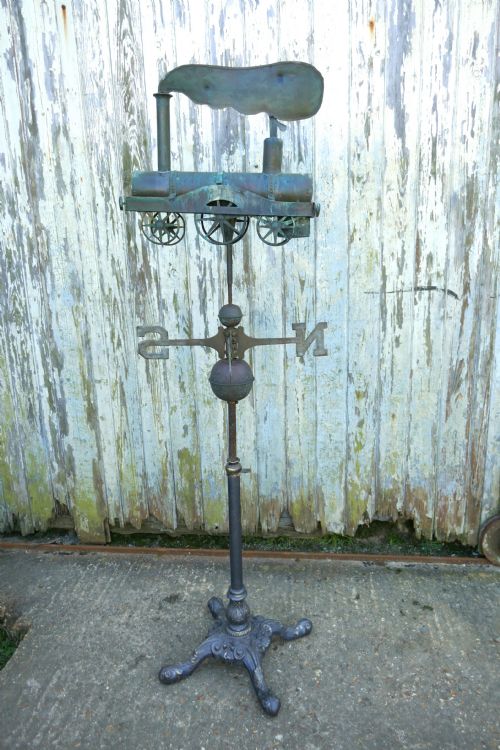
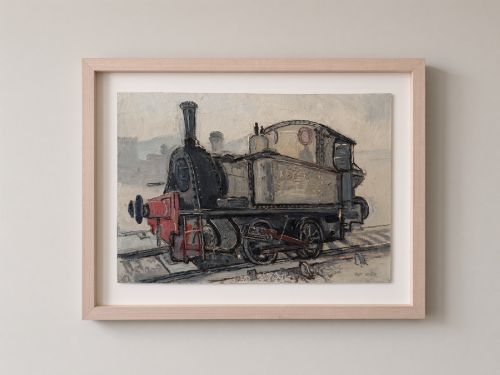
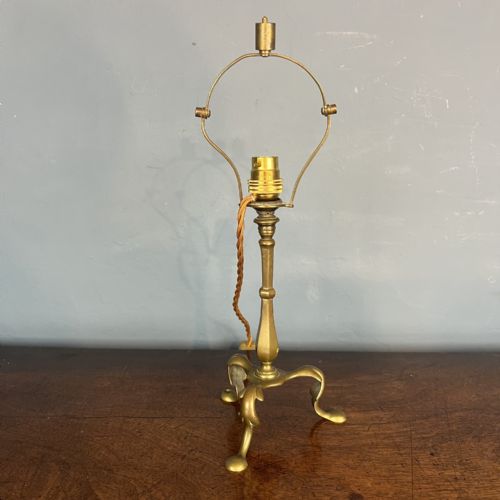
When you search for antique train art, you encounter a varied selection of railway-related items spanning from the nineteenth century into the interwar period. The current offerings encompass oil paintings featuring steam locomotives, copper relief plaques, brass Pullman lamps, and architectural fixtures from railway carriages.
These pieces reflect the profound influence of the railways on daily life and travel during the Victorian, Edwardian, and Art Deco eras. Collectors frequently find functional items from carriages alongside decorative works and models that commemorate locomotive history.
Materials and construction methods
The physical evidence shows a heavy reliance on brass, silver plate, copper, and various woods such as Kashi oak in the construction of these railway pieces. Metal components often display cast or beaten finishes, characteristic of industrial production and Arts and Crafts workmanship.
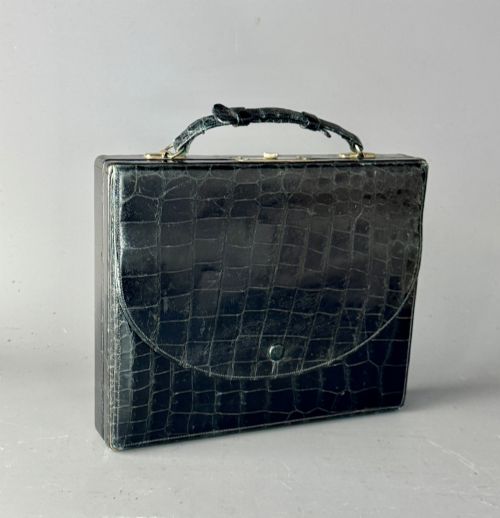
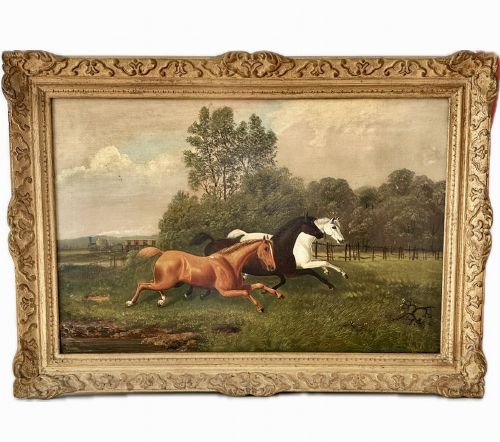
Pictorial works utilise oil on canvas framed in gilded wood, while functional objects incorporate wire mesh, crocodile leather, and specialised glass. Scratch-built construction techniques appear in locomotive models, demonstrating detailed manual assembly.
Antique Train Art Retail Price Guide 2026
Typical asking prices for train art among the pieces listed under this phrase on Sellingantiques today, from the lower quarter to the upper quarter. They describe what is for sale here now, not the wider market.
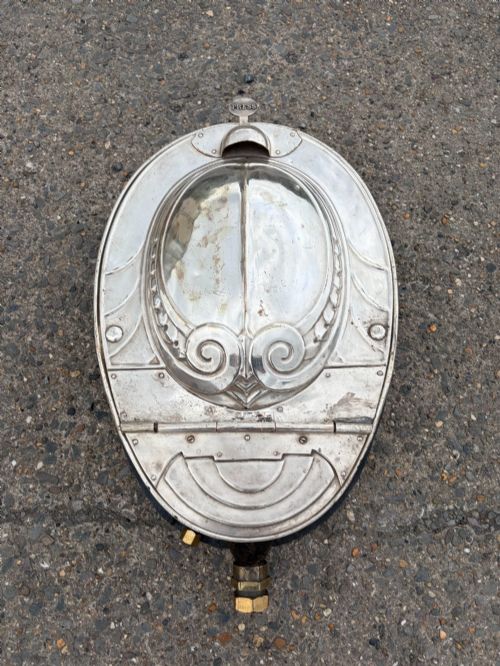
Even a first-class sleeping compartment sink made its way out of the train and onto the market.
Markers of quality
Quality in these items is determined by the refinement of the metalwork, the presence of specific maker attributions, and the preservation of original materials. Pieces retaining their structural integrity and period surface finishes stand apart from those with later replacements.
Artistic execution in paintings and decorative plaques, alongside the sophistication of stylistic details such as Art Nouveau glass or Art Deco framing, defines the higher end of the range.
Dunhill London·Edward Priestley·WAS Benson
The Antique Train Art Glossary
- Pullman lamp
- A specialised lighting fixture designed for use on railway carriages, typically constructed from brass and engineered to withstand vibration.
- Relief plaque
- A wall plaque featuring a design raised above the background surface, often cast or beaten in copper to depict specific engines or railway subjects.
- Art Deco
- A design style prevalent in the interwar period characterised by streamlined geometric forms, seen here in vanity cases and hat racks.
- Silver plate
- A base metal coated with a thin layer of silver, frequently utilised for railway carriage fittings such as compartment sinks.
- Oil on canvas
- A traditional painting medium where pigments suspended in drying oil are applied to stretched canvas cloth, seen in landscape works depicting locomotives.
Antique Train Art: Frequently Asked Questions
What periods do these railway items cover?
The pieces span the nineteenth century through the Edwardian era and into the Art Deco period of the 1920s and 1930s.
This broad timeline encompasses Victorian industrial expansion, Arts and Crafts design, and interwar travel luxury.
How were brass Pullman lamps used?
These lamps provided illumination inside passenger train compartments and dining cars during journeys.
Their robust construction was specifically designed to handle the movement and vibrations of the railway carriage.
What materials are common in railway carriage fixtures?
Carriage fixtures frequently employ brass, silver plate, copper, and specialised glass panels.
Some luxury travel items also incorporate materials like crocodile leather and wire mesh for durability and style.