





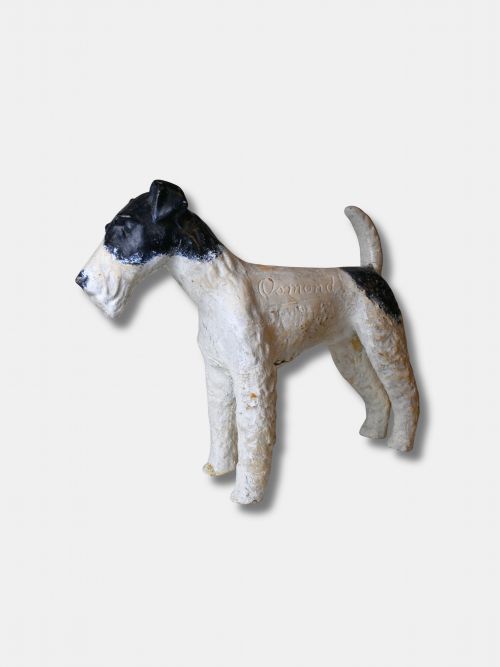


Antique Trade Sign Display
An antique trade sign display brings commercial heritage into a room, offering tactile metal, wood and painted surfaces shaped by real Victorian and twentieth-century shops.
Antique Trade Sign Display
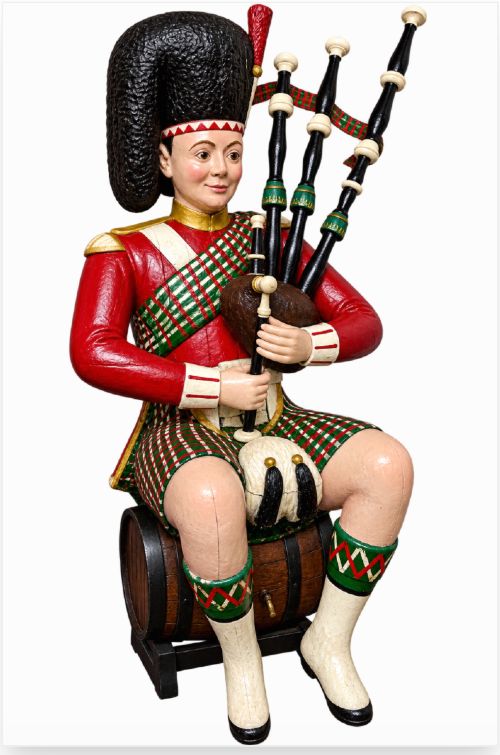
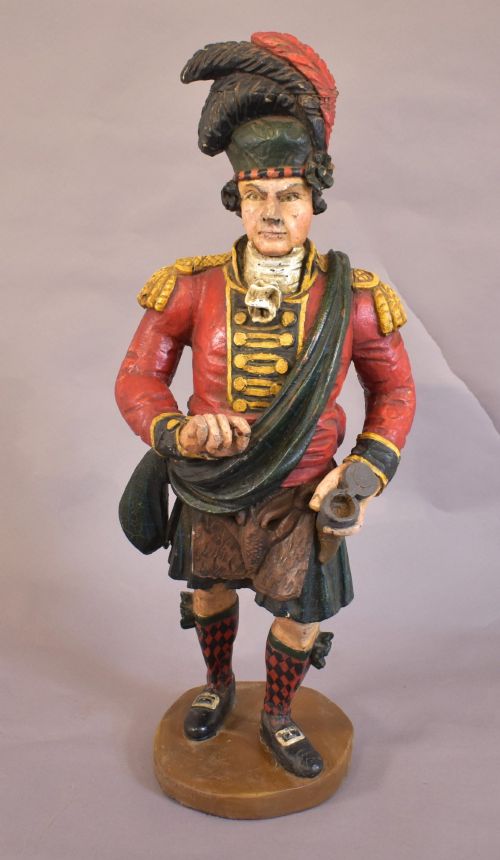
When searching for an antique trade sign display, collectors look at functional artefacts created for nineteenth- and twentieth-century businesses, including butcher shops, tobacconists and shoe stores. The selection encompasses hanging trade signs, advertising figures, shop display models and hardware sample boards from various decades.
Most items you encounter date from the Victorian period through to the 1930s, spanning vernacular folk art carvings and industrial painted metal works. These objects represent actual commercial history, having served outside storefronts or inside mercantile interiors before entering the antiques market.
The assortment includes specialised forms such as carved wooden figures, giant shoes, painted clock face displays, and precision scales with sign-written elements. Each piece reflects the specific trade it once advertised, utilising clear iconography to attract passing customers.
Materials and construction
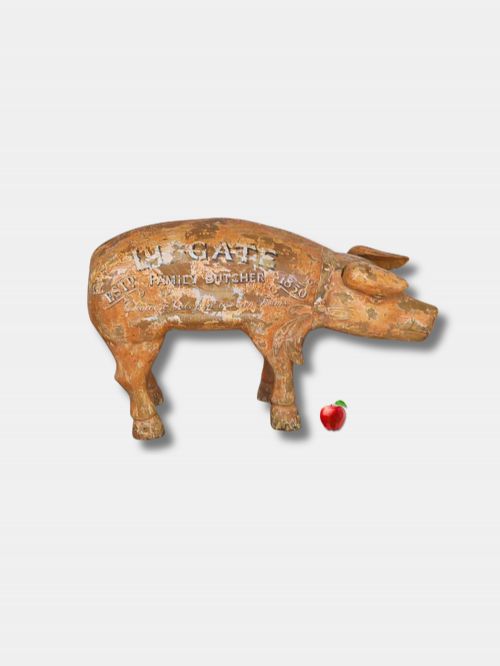
Makers relied heavily on solid wood, carved wood and composition materials to shape large figures, animals and loaves of bread. Paint was applied directly to wood, iron, and glass surfaces to create bold lettering and detailed illustrations that withstood daily exposure.
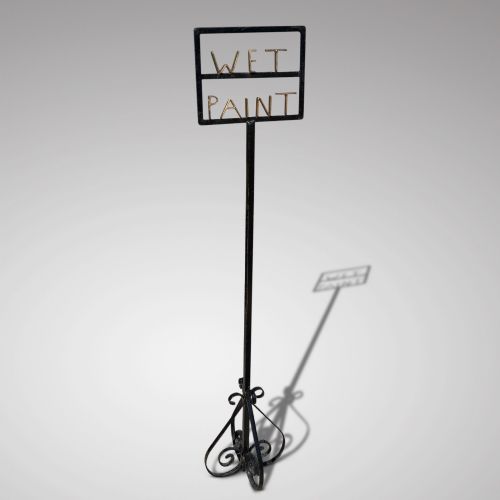
Metalworking techniques produced wrought iron brackets, cast iron display pigs, and brass hardware mounted on sample boards. Glazing and framing protected painted glass panels, while structural elements in iron and wood provided the necessary rigidity for double-sided hanging signs and standing displays.
Antique Trade Sign Display Retail Price Guide 2026
Typical asking prices for trade sign display among the pieces listed under this phrase on Sellingantiques today, from the lower quarter to the upper quarter. They describe what is for sale here now, not the wider market.
Materials span wood, paint, metal, glass, brass, iron, cast iron, and carved wood across multiple historical periods.
Assessing quality in commercial artefacts
Quality rests upon the strength of the carving, the authenticity of the original painted surface, and the clarity of the commercial lettering. Finer pieces retain untouched layers of early paint that reveal genuine weathering rather than modern intervention.
Proportion and sculptural presence distinguish superior display figures and models from simpler utilitarian markers. The skill of the maker dictates whether a tradesman's figure or animal carving possesses anatomical conviction and character.
Gerwin & Co Birmingham·Josef Herzog
The Antique Trade Sign Display Glossary
- Trade sign
- A board, figure or emblem hung outside a shop to indicate the proprietor's business. These objects relied on easily recognised symbols like shoes, clocks or animals so literate and illiterate customers alike could identify the trade.
- Shop display model
- A three-dimensional representation of merchandise, such as a giant loaf of bread or a shoe, used inside or outside a retail premises to attract attention. They bridge the gap between folk sculpture and commercial advertising.
- Sample board
- A panel displaying manufacturer's hardware components or products to prospective buyers. These boards allowed travelling salesmen to demonstrate the variety of goods available from a particular firm.
- Folk art
- Utilitarian objects and sculptures made by self-taught or traditional craftsmen outside the academic fine art tradition. In this category, it describes hand-carved wooden animals and figures produced with regional character.
Antique Trade Sign Display: Frequently Asked Questions
What trades used these signs?
A wide variety of nineteenth- and twentieth-century merchants utilised these displays to attract customers from the street. Butchers, tobacconists, cobblers, and pharmacists routinely commissioned carved figures, painted boards, and specialised models.
Hardware manufacturers also employed sample boards to showcase their wares to retailers. Each item was specifically tailored to communicate the exact nature of the goods sold inside.
How do I hang a heavy trade sign?
Hanging a heavy wooden or iron sign requires locating structural studs in the wall or utilising appropriate weight-bearing masonry fixings. Many pieces feature original iron brackets or mounting points designed for secure exterior or interior installation.
Given the substantial weight of cast iron and solid wood items, professional installation ensures the display remains secure without damaging the fabric of the wall.
Are these signs double-sided?
Many projecting trade signs and certain clock face displays were constructed to be viewed from both directions by pedestrian traffic. This double-sided format maximised visibility for shops located along busy nineteenth-century streets.
Flat wall signs and sample boards, conversely, were designed to be mounted directly against a single surface and feature decoration on the front face only.
How should I clean painted wooden signs?
Cleaning antique painted surfaces requires gentle dusting with a dry, soft cloth to remove accumulated dirt. Avoid using harsh chemical solvents, commercial cleaners, or excessive water, which can lift fragile historic paint layers.
Preserving the original patina means accepting minor wear and weathering as part of the object's history rather than attempting restoration.