



Antique Toy Figures
These antique toy figures span centuries of playful craft, offering tactile glimpses into domestic childhoods through surviving carved animals, soldiers, and mechanical novelties.
Antique Toy Figures
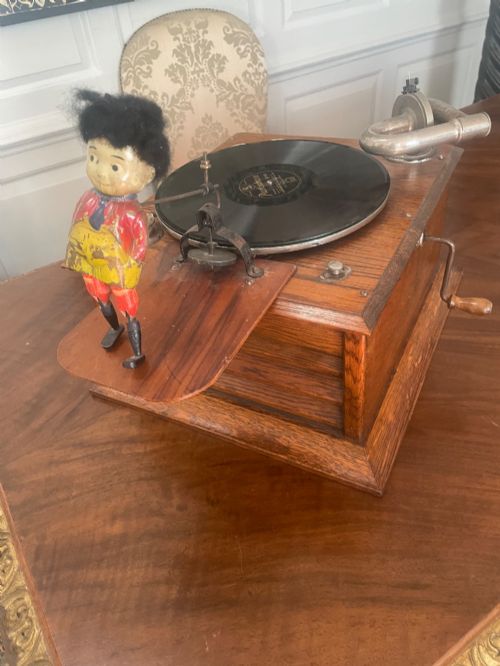
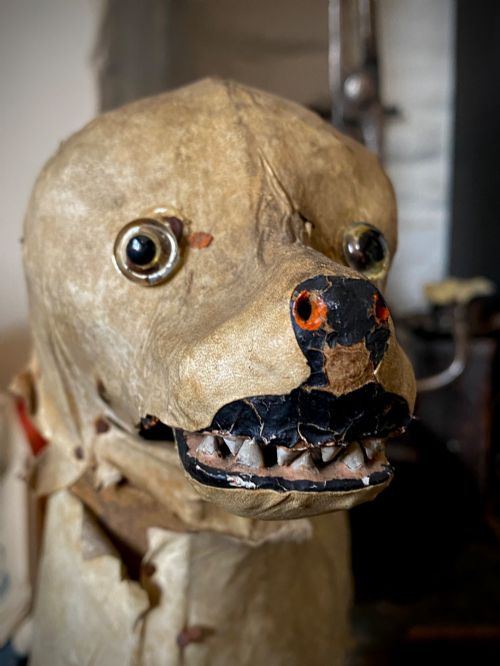
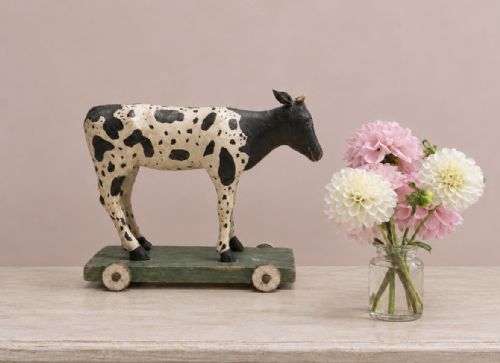
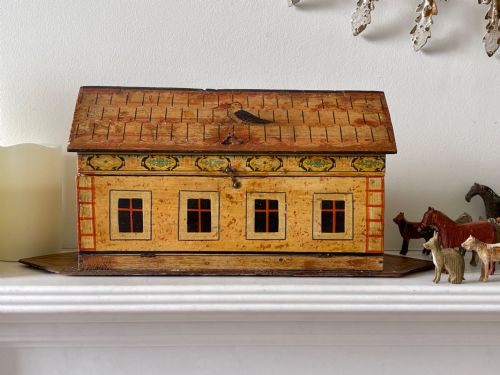
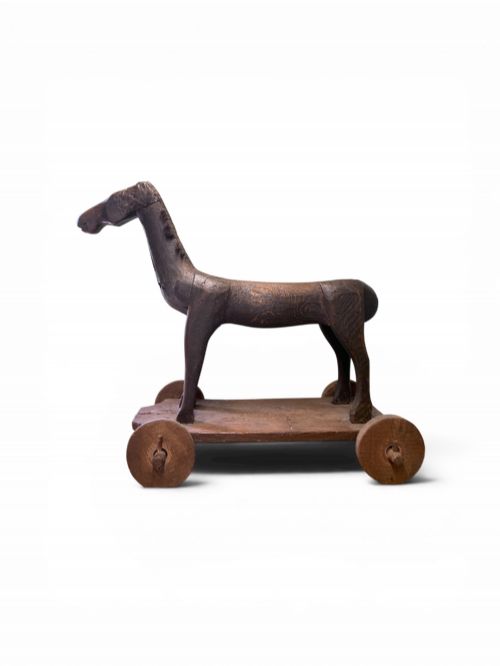
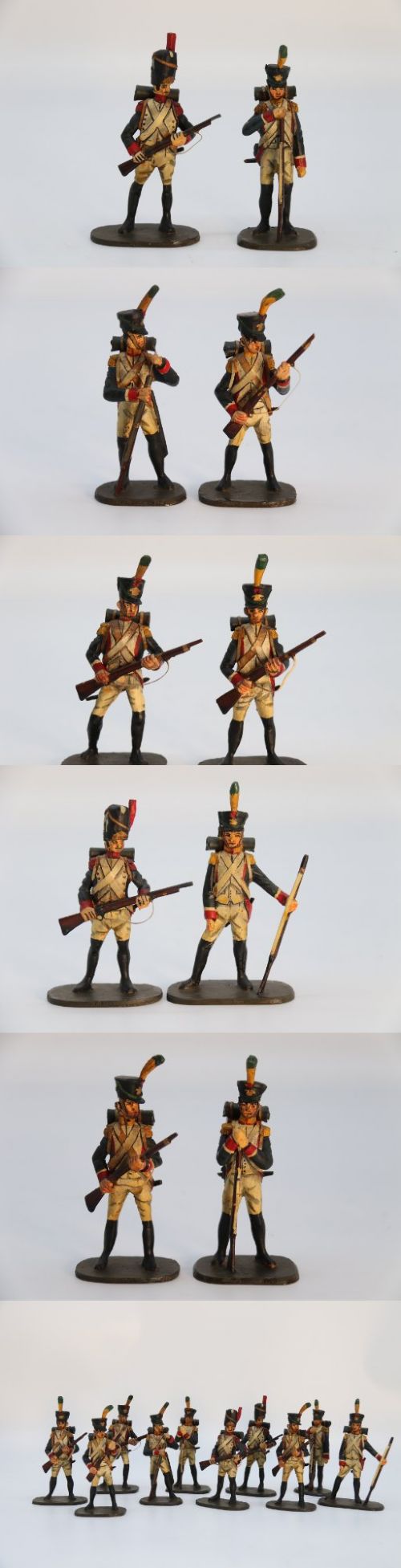
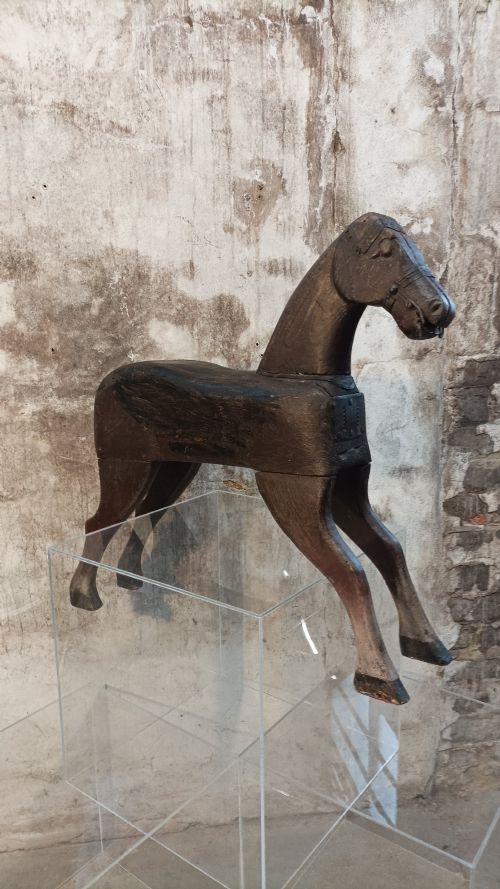
The selection ranges from early handcrafted wooden livestock to Edwardian sports figures in tinplate and delicate cold-painted metal birds. Folk art traditions dominate the aesthetic, presenting naive interpretations of horses, lions, calves, and household pets rendered with endearing simplicity. Papier-mâché bull and dog figures further expand the material range, demonstrating how varied childhood amusements were in past eras.
How they were made
Metalworkers utilised iron, tinplate, and felt to assemble mechanical balance toys, sports figures, and articulated novelties. Papier-mâché provided a lighter modelling medium for robust animal sculptures, while hand-painted finishes brought each figure to life.
Antique Toy Figures Retail Price Guide 2026
Typical asking prices for toy figures among the pieces listed under this phrase on Sellingantiques today, from the lower quarter to the upper quarter. They describe what is for sale here now, not the wider market.
Even fierce lions and heavy farm bulls were rendered with affectionate, lopsided charm by makers who clearly enjoyed playtime.
What varies in quality
Quality in these playful artefacts rests upon the expressiveness of the carving and the original integrity of the hand-painted surface. Early pieces display confident knife work and balanced proportions that elevate simple materials into engaging folk art sculpture.
The survival of original polychrome pigment and operational mechanics defines the upper tier of surviving examples. Artisanal touches in naive details separate standard workshop production from spirited, individual pieces.
The Antique Toy Figures Glossary
- Folk art
- Artistic work produced from an indigenous culture or peasant society, characterised by a naive style where traditional rules of proportion and perspective are employed less strictly.
- Whirligig
- An entertaining toy or mechanical sculpture designed to spin or move rapidly in the wind, often driven by external air currents.
- Jigger doll
- A kinetic toy figure featuring articulated limbs designed to dance or jig when the supporting board is tapped or manipulated.
- Tinplate
- Thin sheet iron or steel coated with tin to prevent rust, commonly utilised in the manufacture of Edwardian sports figures and mechanical toys.
- Papier-mâché
- A composite material consisting of paper pieces or pulp, sometimes reinforced with glue, moulded into durable figures such as bulls and dogs.
Antique Toy Figures: Frequently Asked Questions
What materials were antique toy figures made from?
Makers shaped these playful objects primarily from carved wood, timber, iron, sheet metal, and felt. Artisans also utilised papier-mâché and applied hand-painted finishes to bring animal and human forms to life.
Surviving examples show how readily makers adopted everyday materials to construct durable toys that could withstand active childhood play.
What is a jigger doll?
A jigger doll is an early twentieth-century mechanical toy designed with loose, articulated limbs that dance and jiggle when the base is manipulated. Children and adults alike enjoyed animating these figures, which often wore detailed costumes like top hats and tails.
They represent a lively tradition of kinetic toys intended for interactive domestic amusement.
How should I display antique toys at home?
Display these figures away from direct sunlight and excessive humidity to protect fragile painted wooden surfaces and nineteenth-century textiles. Placing them on stable shelving or within enclosed cabinets allows their naive sculptural forms to be appreciated safely.
Grouping animals, soldiers, or mechanical novelties together creates an engaging focal point that highlights their historical charm.