

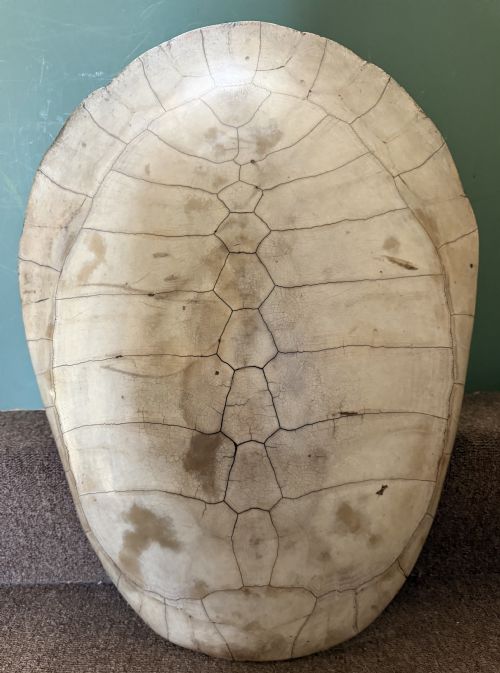


Antique Tortoiseshell Cabinet
An antique tortoiseshell cabinet brings rich amber tones and intricate brass inlay into a room, offering both history and striking visual depth.
Antique Tortoiseshell Cabinet
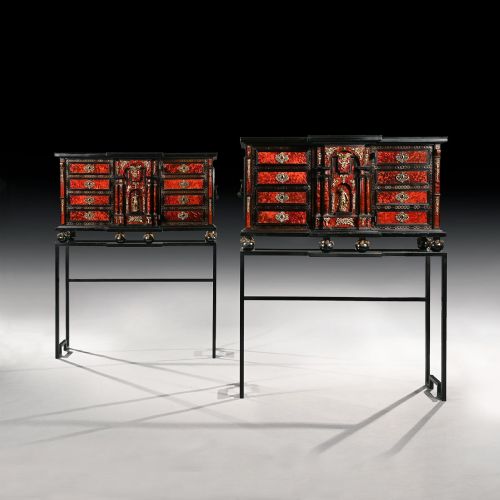
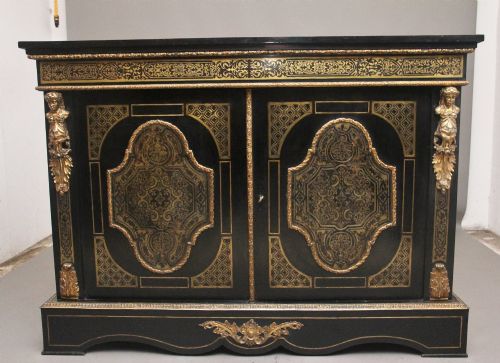
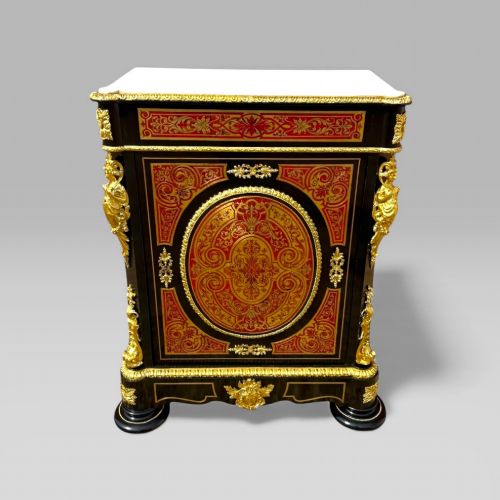
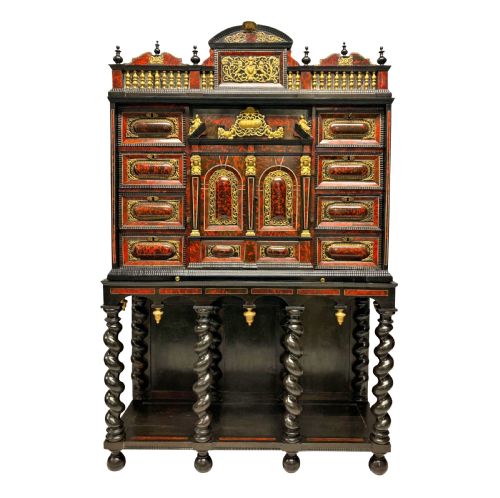
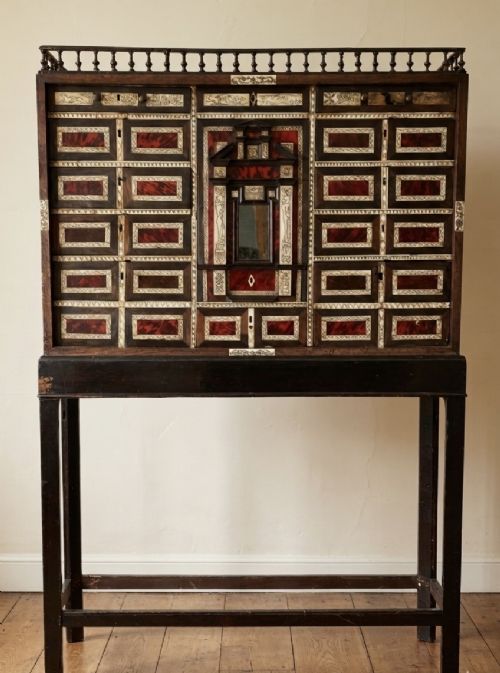
An antique tortoiseshell cabinet is a masterclass in historical joinery, combining exotic animal shell with dark woods to create furniture of remarkable presence. When searching for an antique tortoiseshell cabinet, buyers encounter diverse forms ranging from grand seventeenth century stands to nineteenth century pier cabinets and credenzas. The sixteenth and seventeenth century examples often take the form of architectural cabinets on stands, whilst later nineteenth century pieces lean towards French boulle work.
The material appears alongside ebonised wood, brass, and ormolu mounts, creating high contrast surfaces that catch the light. French Napoleon III and Victorian interpretations dominate the selection, bringing serpentine fronts, glass doors, and gilt bronze details into domestic spaces. Alongside formal display cabinets and credenzas, one finds smaller bedside pieces and occasional writing desks incorporating faux finishes.
Originating predominantly from French, Spanish, and Flemish workshops, these items served to display wealth and treasured objects. The structural carcase generally consists of oak or pine, completely enveloped in decorative veneers that demand specific climatic conditions to survive intact. Understanding the distinction between seventeenth century architectural items and later nineteenth century revival pieces helps clarify the construction methods encountered today.
Materials and Construction
Craftsmen built these pieces by applying thin veneers of tortoiseshell and brass to a sturdy timber carcase, frequently using ebonised wood to frame the glowing amber material. The technique known as boulle work involves cutting matching patterns from sheets of brass and tortoiseshell simultaneously, creating positive and negative marquetry panels that fit together precisely. Ormolu mounts and gilt bronze accents were then cast, chased, and fixed to corners and borders to protect vulnerable edges and elevate the decorative scheme.
Internal structures often reveal secondary timbers like oak or pine, whilst elite seventeenth century examples incorporate bone inlay and architectural drawer arrangements behind a central fall front. The tortoiseshell itself was heated and pressed to flatten natural scutes before being glued to the prepared wooden base with organic adhesives. Glass panels, marble tops, and serpentine wooden framing complete the construction, demanding immense patience from the cabinetmaker.
Antique Tortoiseshell Cabinet Retail Price Guide 2026
Typical asking prices for tortoiseshell cabinet among the pieces listed under this phrase on Sellingantiques today, from the lower quarter to the upper quarter. They describe what is for sale here now, not the wider market.
Listings feature items spanning from the seventeenth century through to the Victorian era, utilising tortoiseshell, brass, ebonised wood, and ormolu.
Evaluating Quality and Craftsmanship
Quality rests primarily in the precision of the marquetry cutting and the depth of colour within the tortoiseshell veneer. Superior examples display tight, seamless joints between the brass inlay and the surrounding shell, whereas lesser items show wider filler lines and simpler geometric layouts. The crispness of the cast ormolu mounts and the integrity of the underlying ebonised timber further separate standard production from masterwork execution.
Proportion and architectural balance dictate the visual success of the piece, particularly on cabinets on stands where the base must support the heavy upper carcase harmoniously. Original mounts, intact interior fittings, and uniform ageing across the organic materials distinguish the finest survivals from heavily restored or later composite furniture.
The Antique Tortoiseshell Cabinet Glossary
- Boulle work
- A meticulous marquetry technique utilising tortoiseshell and brass inlay, named after the famous French cabinetmaker André-Charles Boulle. It produces contrasting panels of golden metal and dark speckled shell.
- Ormolu
- Gilt bronze mounts applied to furniture for decorative and protective purposes. The technique involves treating bronze with an acid gold amalgam before firing.
- Ebonised wood
- Timber, typically fruitwood or beech, treated with chemical stains or black paint to imitate expensive ebony. This dark finish provides a high contrast background for tortoiseshell and brass.
- Pier cabinet
- A low display cabinet designed specifically to stand against the wall space between windows. These pieces often feature glazed doors and elaborate gilt bronze mounts.
- Credenza
- A sideboard or cabinet featuring central cupboards flanked by curved side sections. They became highly popular during the Victorian period for displaying porcelain and decorative objects.
Antique Tortoiseshell Cabinet: Frequently Asked Questions
How were these cabinets used historically?
They served primarily to store and display precious curiosities, books, or fine porcelain in formal reception rooms. The glazed doors protected delicate items from dust whilst allowing guests to admire them.
Architectural variants included numerous small drawers for holding letters, coins, or scientific instruments. Their presence signalled both wealth and an appreciation for continental craftsmanship.
How do I care for tortoiseshell furniture?
Tortoiseshell requires stable environmental conditions away from direct sunlight and extreme humidity fluctuations. Natural shell can dry out or warp if exposed to harsh heat sources.
Dusting should be performed gently with a dry, soft cloth without applying modern liquid polishes. Maintaining consistent room temperature preserves both the organic shell and the underlying timber carcase.
How do I distinguish seventeenth century pieces from nineteenth century ones?
Seventeenth century examples usually take the form of architectural cabinets on heavy stands, frequently incorporating bone inlay and complex small drawer configurations. They exhibit heavier timber construction and distinct hand-cut joinery.
Nineteenth century revival pieces, particularly Napoleon III boulle work, tend towards serpentine credenzas, pier cabinets, and display cases with mass-produced ormolu mounts and bright brass marquetry.