

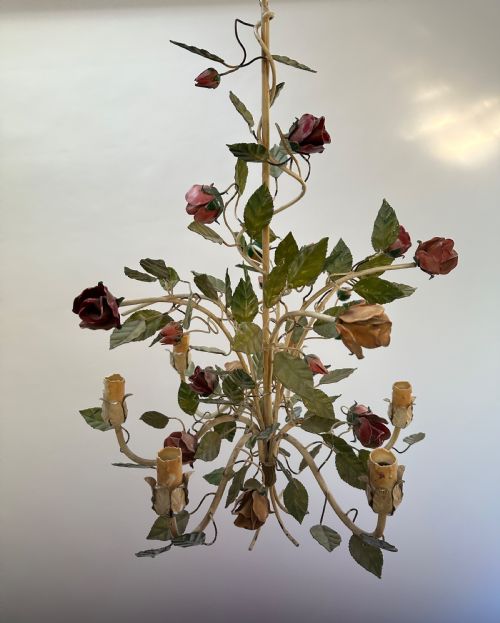


Antique Toleware Light
An antique toleware light brings painted metal character into a room, offering functional illumination paired with decorative depth.
Antique Toleware Light
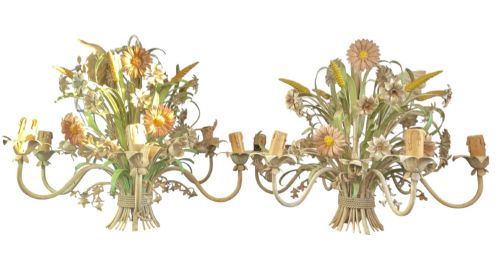
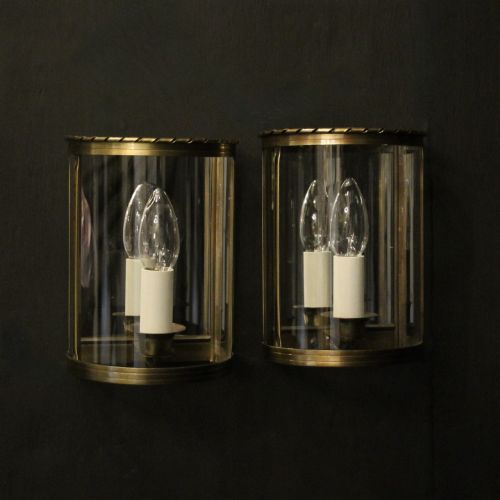
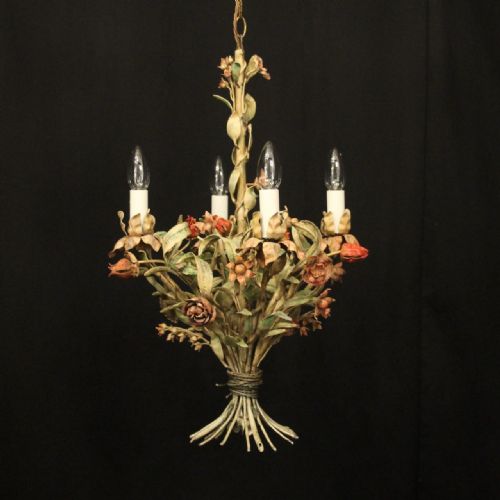
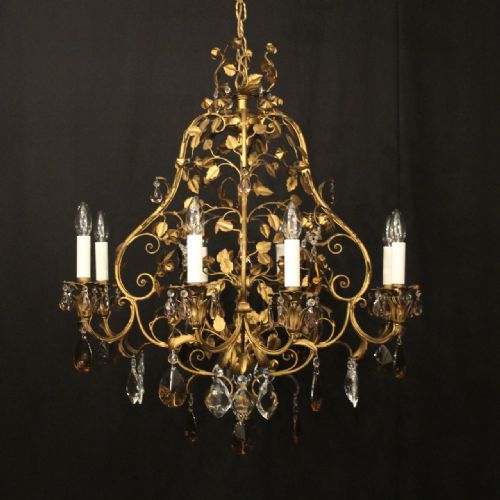
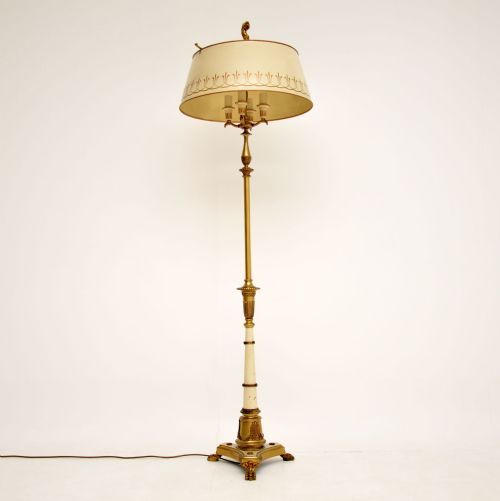
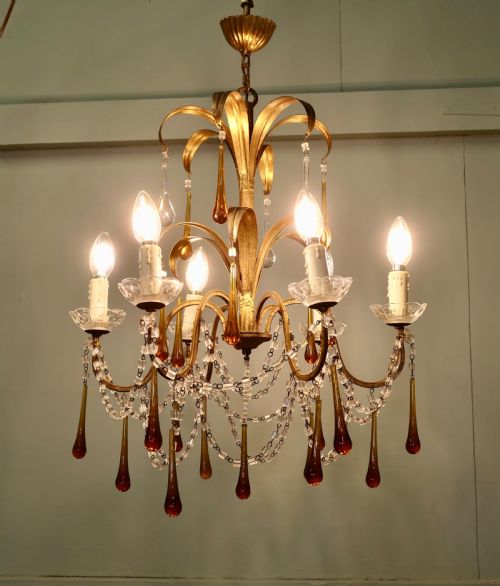
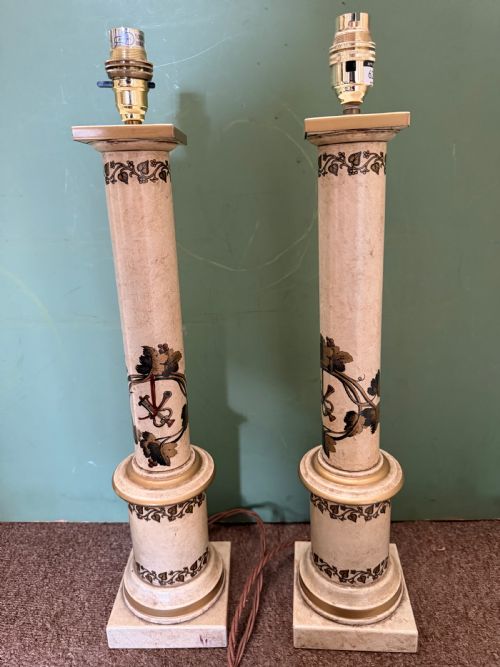
When you search for an antique toleware light, you encounter painted metal lighting fixtures spanning table lamps, desk lamps, chandeliers, wall sconces, floor lamps, wall lights, ceiling lanterns, and ceiling lights. These objects originate largely from French and Italian workshops across the nineteenth century and the early decades of the twentieth century, including Victorian, Edwardian, and Art Deco periods.
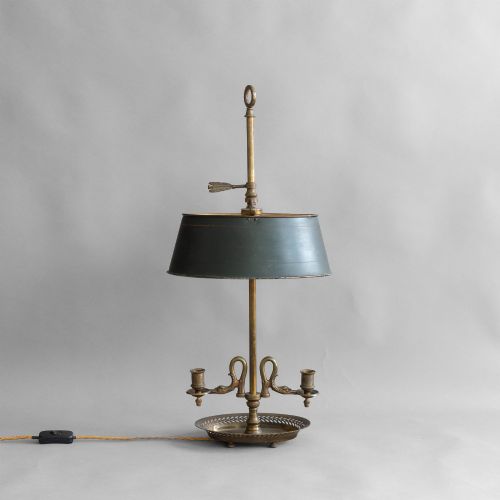
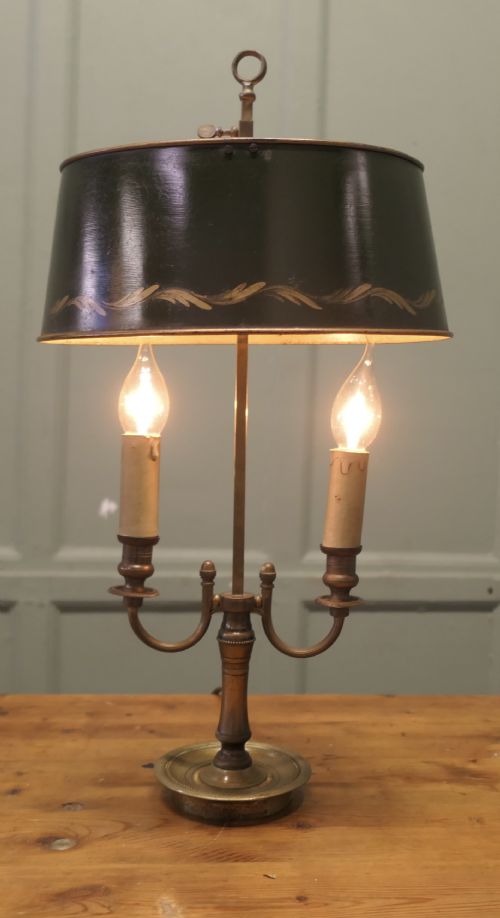
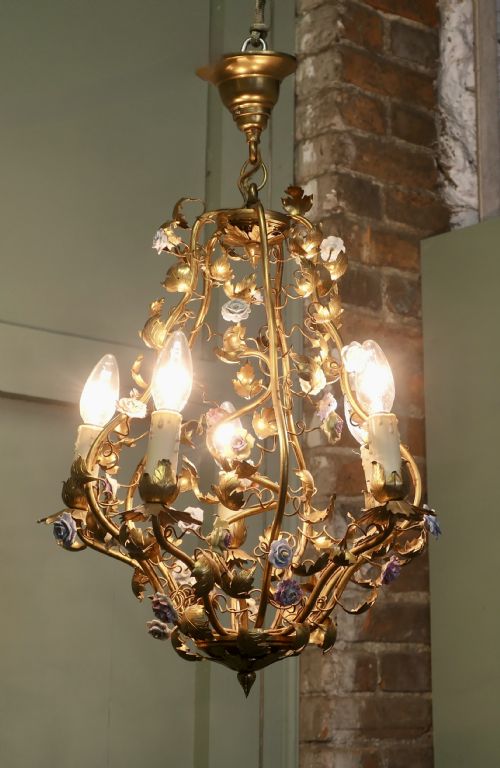
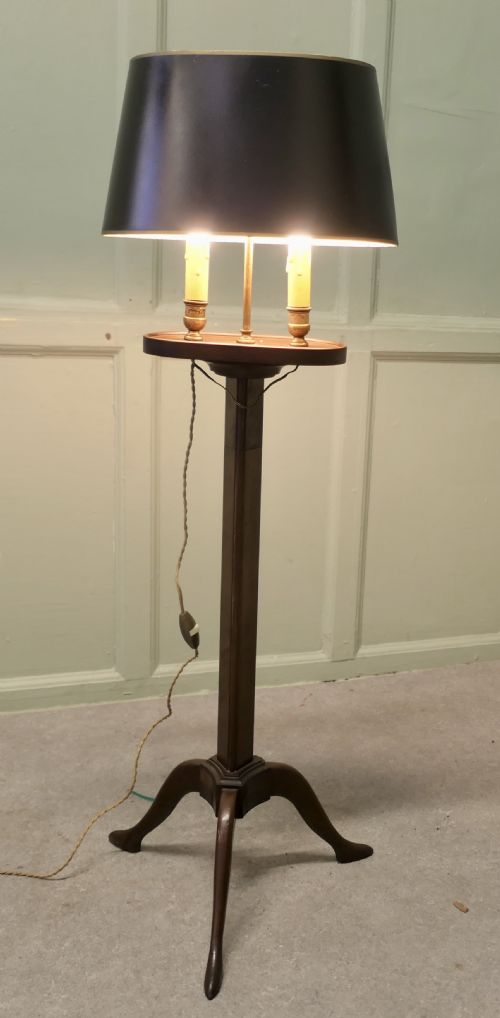
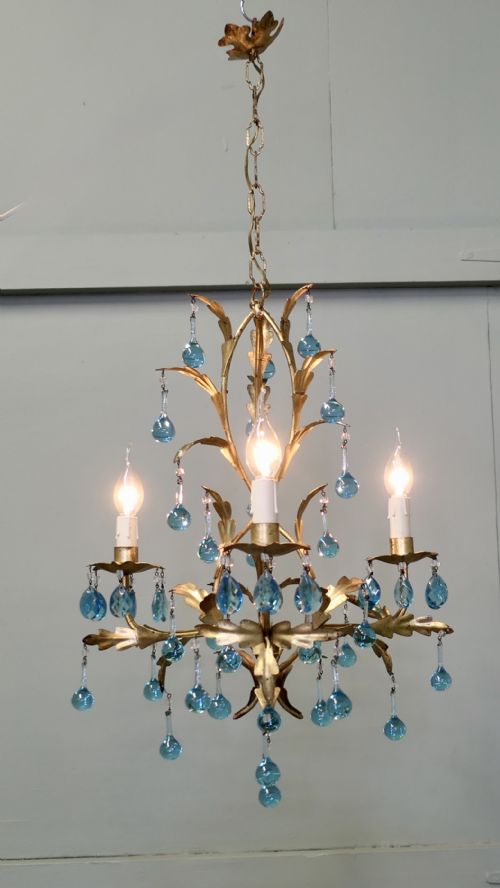
The version you are most likely to meet on this page is the French bouillotte desk lamp or multi-bulb chandelier. These pieces combine painted tole with brass, gilt metal, crystal, or ceramic elements, showing styles from French Empire and Regency to Neoclassical and Chinoiserie.
How they were made
Maker's workshops built these lights using sheet metal, iron, and brass as foundational structural components. Artisans applied painted finishes, often termed tole-peinte, alongside polychrome decorations, black and gold lacquer, or gilding to the metal surfaces.
Lighting assemblies frequently incorporate cast bronze, spun brass, cut glass crystal drops, porcelain figures, and carved giltwood. Lamps designed for desks or tables often utilised adjustable shade mechanisms mounted on central columns.
Antique Toleware Light Retail Price Guide 2026
Typical asking prices for toleware light among the pieces listed under this phrase on Sellingantiques today, from the lower quarter to the upper quarter. They describe what is for sale here now, not the wider market.
A bouillotte lamp shade adjusts up and down its stem like a cautious metal sun seeking the right horizon.
What varies in quality
Quality separates through the finesse of the hand-painted decoration and the integrity of the underlying metalwork. Finer examples display meticulous polychrome detailing, careful gilding, and cohesive integration of brass, bronze, and crystal elements.
The architectural balance of the fixture dictates its visual weight within an interior. Superior pieces maintain crisp casting lines on brass mounts and well-preserved lacquered surfaces that retain their original depth of colour.
The Antique Toleware Light Glossary
- Toleware
- Painted or lacquered metalware, typically tin or iron, styled into decorative household objects. The technique originated in France and gained popularity for lighting and desk accessories.
- Bouillotte lamp
- An adjustable desk lamp featuring a central column, multiple candle arms, and a distinctive painted metal shade that moves up and down. It derives its name from an eighteenth-century card game.
- Tole-peinte
- Painted tin or metalwork created through decorative coating processes. This French term translates literally as painted tin.
- Girandole
- A branched wall sconce or candleholder incorporating reflective glass, crystal drops, or backplates to multiply the illumination. These fixtures often employ gilt metal or carved wood.
- Chinoiserie
- European artistic style reflecting Chinese decorative motifs, frequently expressed through black and gold lacquer work on metal or wood. This style appears on select table lamps and decorative accessories.
Antique Toleware Light: Frequently Asked Questions
What is an antique toleware light?
An antique toleware light is a painted metal lighting fixture produced during the nineteenth or early twentieth century. These pieces encompass desk lamps, chandeliers, and wall sconces featuring lacquered or painted finishes.
Workshop production centered heavily in France and Italy during this era. They frequently combine painted metal with brass components, crystal drops, and ceramic details.
How do I use a bouillotte lamp?
A bouillotte lamp functions as a task or accent light designed for desks and side tables. The adjustable metal shade slides along the central vertical rod to direct light downward onto a surface.
Originally built to illuminate card games or writing desks, these lights suit modern studies and living spaces where focused illumination is required.
How do I date an antique light?
Dating these fixtures involves examining the materials, construction methods, and stylistic indicators present in the design. Pieces from the nineteenth century often show heavier cast bronze mounts and hand-forged elements.
Early twentieth-century examples, including those from the 1920s and 1930s, incorporate Art Deco influences, Macassar details, or specific wiring adaptations while retaining traditional painted metal work.
How do I clean painted metal?
Cleaning painted metal requires gentle dusting with a soft, dry cloth to protect the historic surface finishes. Moisture and chemical cleaners should be avoided to prevent damage to the original lacquer or polychrome paint.
Preserving the integrity of the hand-painted decoration ensures the piece maintains its decorative character and historical appearance over time.