


Antique Toleware Box
An antique toleware box brings painted tin and sheet iron into daily storage, offering robust utility wrapped in hand-decorated charm.
Antique Toleware Box
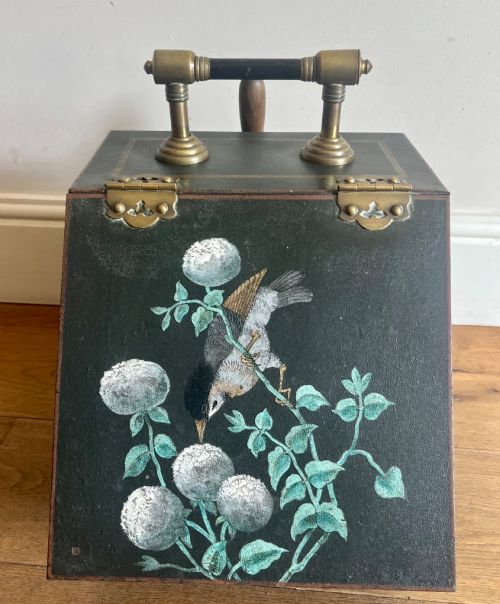
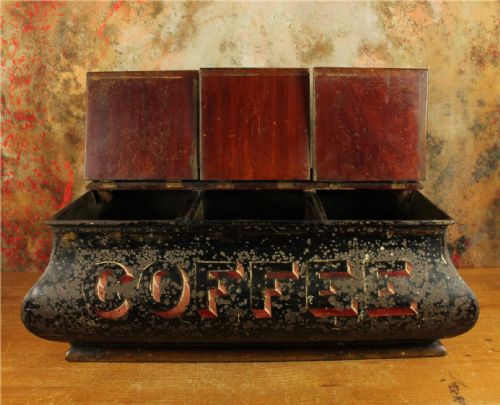
An antique toleware box comprises painted and lacquered metal containers designed for utilitarian storage across domestic and military settings. Buyers frequently encounter nineteenth century examples spanning utilitarian coal scuttles, desk accessories, and specialised hat boxes.
The selection ranges from Georgian spice boxes and Regency coal bins to Victorian kitchen buckets and Edwardian document tins. Forms extend beyond standard storage boxes to include waste paper bins, candle boxes, and tea canisters.
Makers shaped sheet iron and tin into practical vessels before applying layers of paint, lacquer, and occasional gold leaf. These pieces survive from English and French workshops, reflecting both vernacular folk art and formal country house requirements.
How they were made
Craftsmen shaped sheet iron and tinplate into rigid containers, utilising folded seams and soldered joints to construct durable bodies. Brass rims and hardware often reinforced edges and secured lids on utility hoppers and document tins.
Surface decoration relied on applications of dark paint, lacquer, and hand-painted motifs finished with gold leaf highlights. Folk art traditions and regency styles dictated the palette, sealing the metal beneath protective coats.
Maids carried heavy kitchen buckets through draughty corridors while solicitors filed documents in matching sets of seven dark tins.
What varies in quality
Quality rests in the crispness of the hand-painted decoration and the integrity of the original lacquered surface. Pieces retaining untouched nineteenth century pigment display superior visual weight compared to later repainted examples.
Construction details distinguish utilitarian workshop output from refined domestic items, notably in the weight of the sheet iron and the precision of brass fittings.
The Antique Toleware Box Glossary
- Toleware
- Painted or lacquered metalware, typically tinplate or sheet iron, decorated in imitation of Asian lacquerwork. The term derives from the French phrase tôule peinte.
- Sheet iron
- Malleable iron rolled into thin sheets, serving as the sturdy structural base for heavy storage boxes and coal scuttles. It provided durability before modern steel production.
- Gold leaf
- Gold beaten into extremely thin sheets, applied to the surface of boxes and bins to create gilded borders and decorative highlights. It contrasts against dark painted backgrounds.
- Folk art
- Utilitarian items decorated by regional makers rather than academic studios, showing vernacular charm in naive floral or geometric motifs.
Antique Toleware Box: Frequently Asked Questions
What is toleware made of?
Toleware is constructed from sheet iron or tinplate that has been shaped into practical containers. Artisans then coated the metal surfaces in paint or lacquer.
Decorative elements like gold leaf or hand-painted motifs were applied over the dark base layers to finish the piece.
How do I date an old tin box?
Dating relies on examining the construction seams, the style of the painted decoration, and the type of metal used. Nineteenth century pieces often show hand-soldered joints and vernacular folk art patterns.
Later pieces from around nineteen hundred typically exhibit different handle forms and more standardised industrial construction methods.
Were these boxes used outdoors?
These containers served strictly indoor domestic, military, and commercial functions. They organised documents, stored kitchen commodities, held coal, or protected military hats.
The painted and lacquered surfaces protected the underlying iron from indoor moisture rather than harsh outdoor exposure.
How should I clean a painted tin box?
Maintenance requires only a soft, dry cloth to remove dust from the painted surface. Moisture and chemical cleaners risk damaging the historic lacquer and original pigment.
Preserving the fragile hand-painted details depends on keeping the metal away from damp environments.