




Antique Toast Server
These antique toast servers offer a charming way to keep morning rounds crisp at table, uniting breakfast tradition with period craftsmanship.
Antique Toast Server
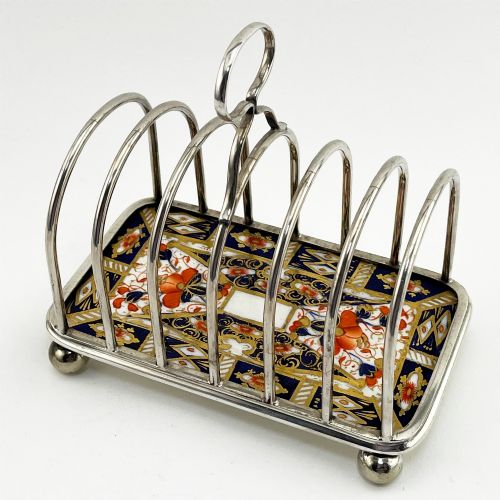
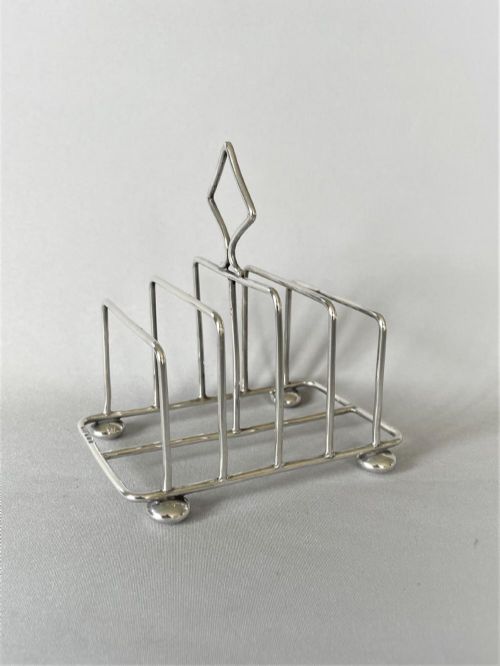
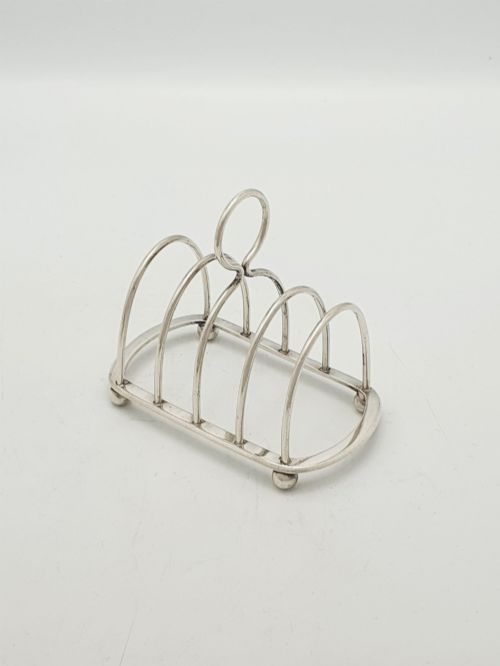
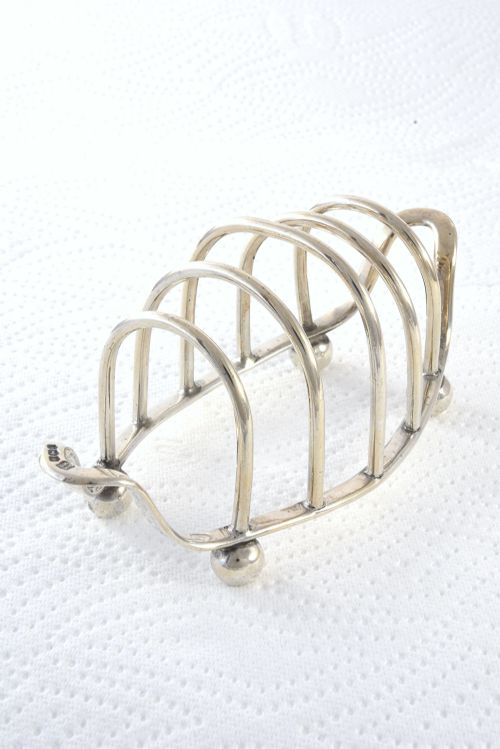
An antique toast server typically takes the form of a toast rack designed to hold sliced bread upright on the breakfast table. These pieces emerge across the Georgian, Victorian, and Edwardian eras, extending into the nineteen thirties with varying slice capacities.
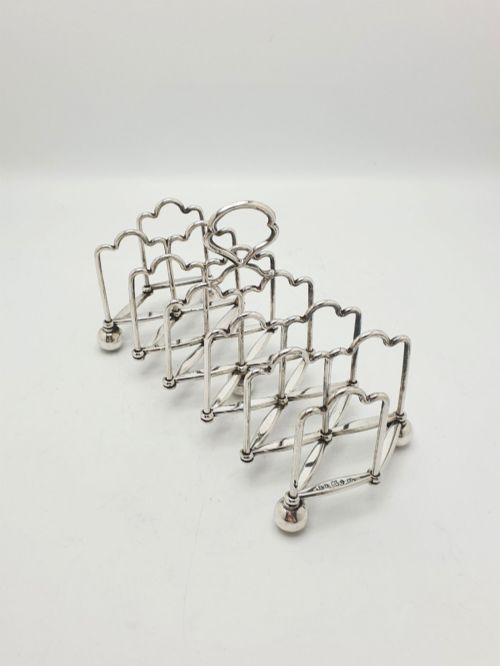
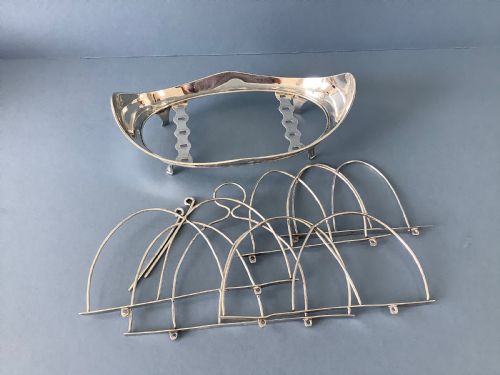
The assortment on this page includes standard domestic examples alongside novelty designs and specialised forms. Visitors will encounter items ranging from compact four-slice racks to extending silver plated versions and combined toasted cheese dishes.
Materials and construction
Makers fashioned these servers primarily from sterling silver, silver plate, and Old Sheffield plate, occasionally incorporating wooden elements. Metalwork techniques involved soldering individual arched dividers to a central base, supported by small feet.
Silversmiths applied hallmarks to sterling pieces to designate assay offices and dates, while plated items utilised base metals coated in silver or utilised early fusion plating methods like Old Sheffield plate.
Equestrian themed toast racks bring a spirited gallop to the morning routine, proving that Victorian breakfast tables welcomed a touch of the hunting field.
Distinctions in quality
Quality rests upon the crispness of the wirework and the structural integrity of the soldered joints connecting the dividers to the base. Heavier gauge silver provides a more substantial feel in the hand compared to lighter plated alternatives.
Design ambition separates standard domestic items from exceptional pieces, such as equestrian themed novelties or documented modernist designs by notable figures like Christopher Dresser. The clarity of hallmarks and the survival of original plating further elevate a piece.
Elkington·Hukin & Heath
The Antique Toast Server Glossary
- Toast rack
- A table utensil featuring a series of parallel metal loops designed to hold slices of toast upright and prevent them from becoming soggy. They became staple breakfast table accessories during the Georgian and Victorian periods.
- Hallmark
- A series of stamped official marks applied to precious metals indicating the purity, the maker, and the assay office. These stamps allow collectors to date sterling silver servers with precision.
- Electroplated nickel silver
- A base metal alloy of copper, nickel, and zinc coated with a layer of pure silver through an electrolytic process. This technique democratised the production of silver-finished tableware in the nineteenth century.
Antique Toast Server: Frequently Asked Questions
How do I date a silver toast rack?
Dating a silver toast rack relies primarily on the hallmarks stamped into the metal, which indicate the assay office, the year of production, and the silversmith's mark. Sterling silver pieces carry these official stamps for verification.
Unmarked silver plated or Old Sheffield plate examples must be dated by stylistic cues, such as the aesthetic movement motifs or the clean lines typical of later Art Deco pieces.
How were toast racks used originally?
Toast racks were brought directly to the breakfast table to serve freshly prepared toast to family members or guests. The arched dividers held individual slices upright so steam could escape, preventing the bread from becoming soft.
Some specialised forms, such as toasted cheese dishes, incorporated warming compartments or covered dishes to keep more elaborate breakfast foods hot.
How do I care for silver tableware?
Caring for silver and silver plated toast servers requires gentle cleaning with a specialised silver polish and a soft cloth to remove tarnish without abrading the metal. Avoid harsh chemical dips, particularly on plated items where the thin silver layer might wear away.
Regular handling and careful storage in dry environments help maintain the finish of these historic table accessories.