




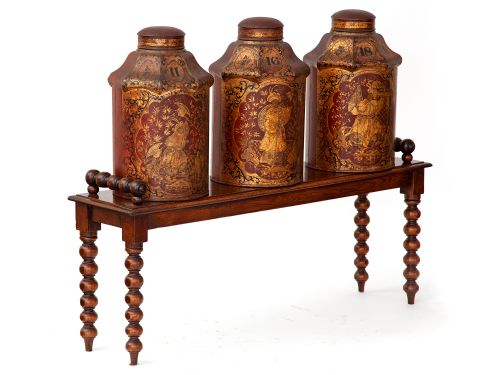


Antique Tin Tea Caddy
An antique tin tea caddy brings domestic history to life, offering a durable and decorative vessel designed to preserve valuable leaf tea.
Antique Tin Tea Caddy
When you search for an antique tin tea caddy, you encounter domestic storage containers primarily dating from the nineteenth and early twentieth centuries. These vessels served to keep dry leaves fresh before the widespread adoption of modern packaging, often taking the form of canisters or desktop boxes.
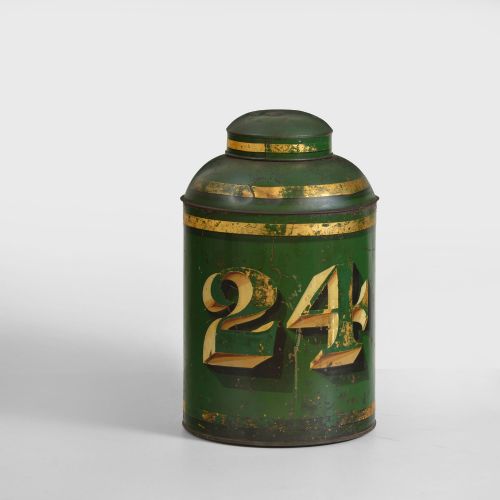
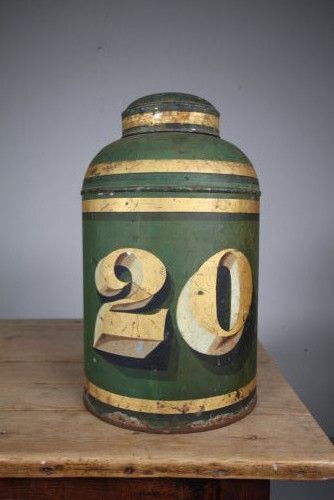
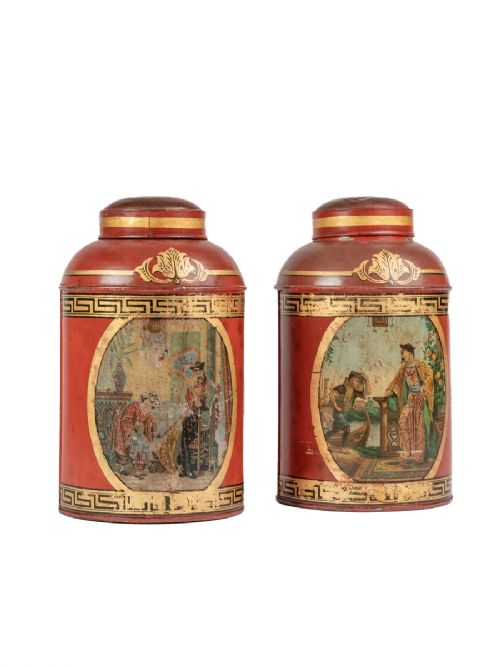
The selections available here range from austere utility tins to highly decorative painted examples. You are most likely to meet nineteenth-century toleware versions featuring hand-painted motifs alongside later twentieth-century decorative boxes.
Materials and construction
Makers constructed these pieces using tinplate, sheet metal, and toleware, applying painted finishes and gold leaf for visual appeal. Artisans frequently employed japanning and lacquering techniques to protect the metal base while achieving smooth, dark surfaces.
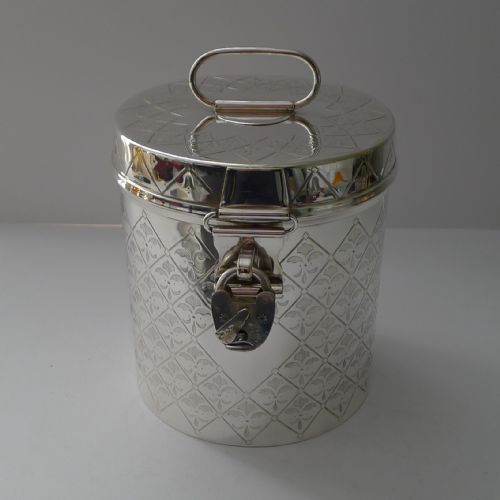
Many examples incorporate Chinoiserie decoration, utilising hand-applied pigments to mimic oriental motifs popular in English interiors. Other variations feature specialised metal plating and fitted lids designed to maintain airtight storage for dry goods.
Antique Tin Tea Caddy Retail Price Guide 2026
Typical asking prices for tin tea caddy among the pieces listed under this phrase on Sellingantiques today, from the lower quarter to the upper quarter. They describe what is for sale here now, not the wider market.
Assessing craftsmanship and finish
Quality rests heavily on the preservation of the original painted surface and any applied gilding. Pieces retaining their crisp hand-painted details stand apart from those worn down by heavy domestic use over generations.
Structural integrity of the metal body and the snug fit of the lid dictate the tier of craftsmanship. Superior specimens display deliberate proportion and careful detailing in their decorative schemes rather than mass-produced simplicity.
Mappin and Webb·Huntley and Palmers·Asprey and Co·John Grinsell and Sons·Martin Hall
The Antique Tin Tea Caddy Glossary
- Toleware
- Tinplate metal coated with lacquer or paint, often decorated with hand-painted floral or oriental scenes. This material forms the base of many nineteenth-century domestic canisters.
- Chinoiserie
- European artistic interpretation of Chinese and East Asian artistic traditions. This style frequently appears in gold motifs painted over black backgrounds on tea storage vessels.
- Tinplate
- Sheet iron or steel coated with a thin layer of tin to prevent corrosion. It served as the primary substrate for manufacturing durable nineteenth-century containers.
- Japanning
- A European imitation of Japanese and Chinese lacquerwork involving layers of heat-cured varnish. It created a dark, glossy surface finish on metal household objects.
- Gilding
- The application of gold leaf or gold paint onto a prepared surface for decoration. It highlights borders and pictorial elements on painted tinware.
Antique Tin Tea Caddy: Frequently Asked Questions
What is an antique tin tea caddy?
An antique tin tea caddy is a metal container historically used to store loose tea leaves securely.
These pieces protected delicate tea from moisture and light in period kitchens and drawing rooms.
How were these tea caddies used?
Households used them to measure and dispense daily portions of expensive tea safely.
Servants or homeowners kept them locked or stored on side tables for ready access during tea service.
How do I date a painted tea tin?
Dating relies on stylistic clues like Chinoiserie motifs, construction seams, and the type of paint used.
Nineteenth-century examples often display hand-brushed gilt work on toleware, distinguishing them from later industrial manufacturing.
Are these tins safe for food?
Most buyers treat antique tins as decorative display items rather than functional food storage.
Age-related wear to interior linings means they suit collection and interior styling best.